Learning from Nepal’s Experience in Emergency Response
August 30, 2026
As Nepal responds to the ongoing floods and landslides and their impact on communities and health services, it is timely to reflect on lessons from previous emergencies.
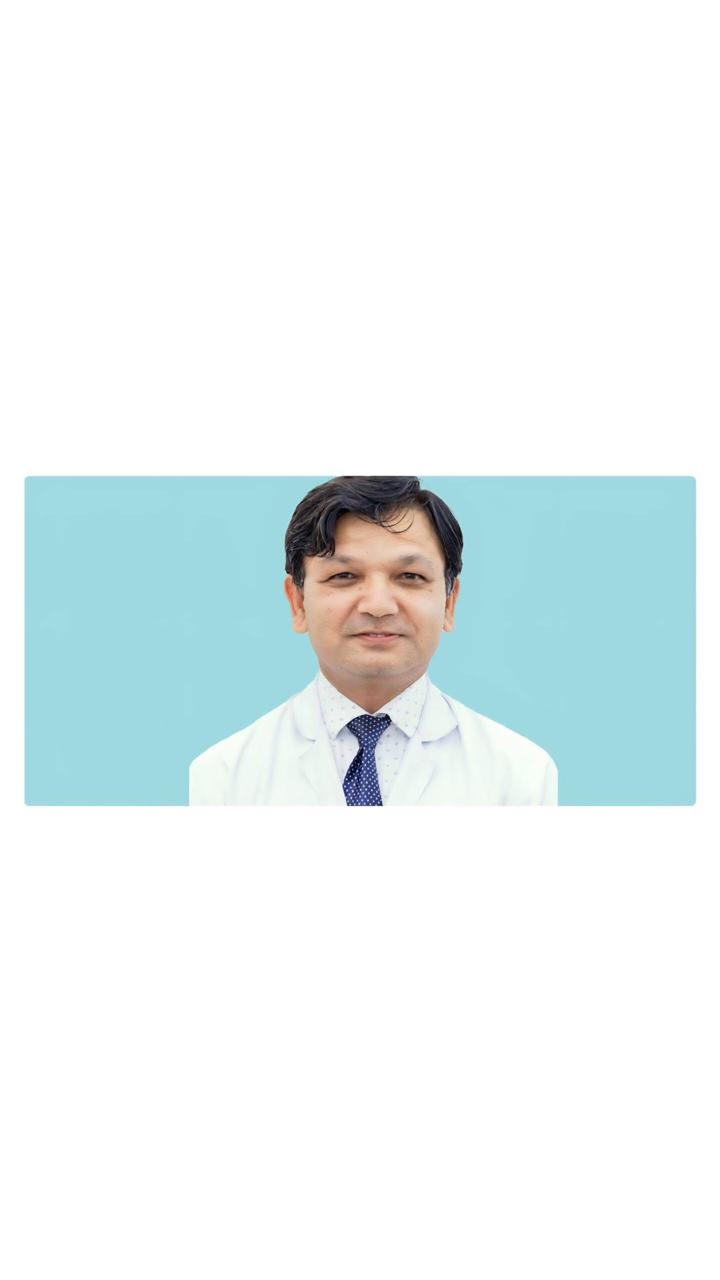
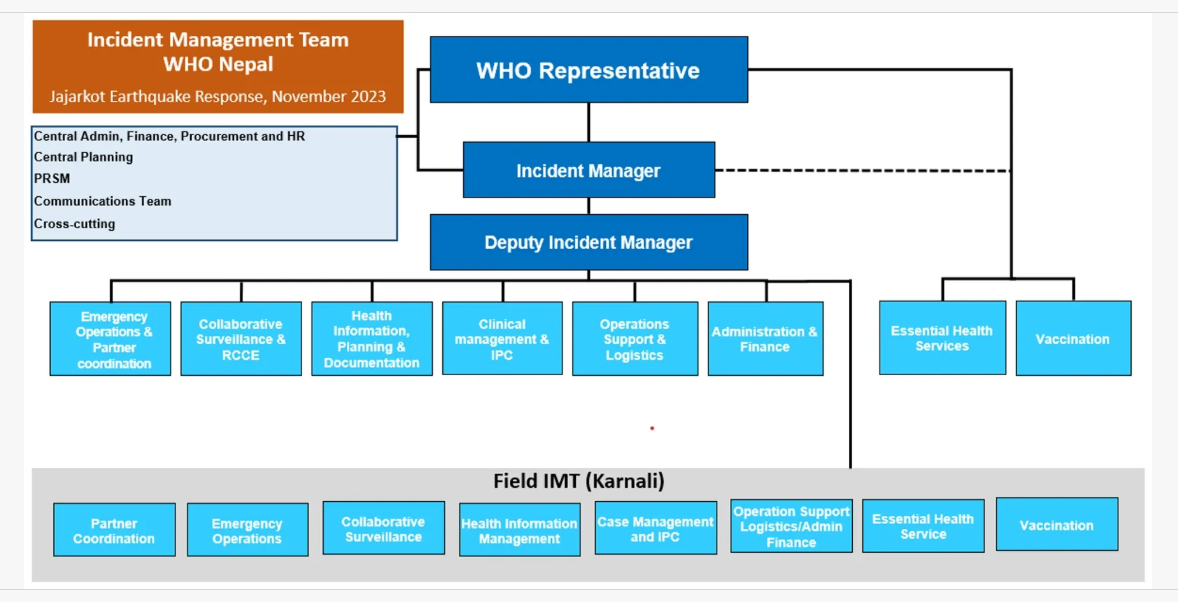
A recently published article By Dr. Rajesh Sambhajirao Pandav and colleagues documents the application of the WHO Emergency Response Framework (ERF 2.0) during the 2023 Jajarkot earthquake and the lessons that emerged from Nepal’s experience.
The response highlighted the value of having trained teams, established coordination mechanisms, field-level presence, and operational systems in place before a disaster occurs. Importantly, the experience showed that emergency frameworks are most effective when they are supported by institutional readiness and can be adapted to the realities on the ground.
The practices and structures developed during the Jajarkot response were subsequently applied during the 2024 floods and landslides, demonstrating the potential for learning from one emergency to strengthen preparedness and response for the next.
As we continue to navigate the current emergency, these experiences from Nepal offer useful reflections on how preparedness, coordination, and institutional learning can contribute to more effective and resilient health emergency responses.
 Read the article: https://www.frontiersin.org/journals/disaster-and-emergency-medicine/articles/10.3389/femer.2025.1697272/full?fbclid=IwY2xjawUAl-BwZG9mBWV4dG4DYWVtAjExAHNydGMGYXBwX2lkEDIyMjAzOTE3ODgyMDA4OTIAAR4-_P7srBBqnsUVPNsTDhHVdImrIYYMrPCXRyQhbsyk4IwqB-U_a-_7luncrA_aem_0lbqp5uKYnW3pwIfRwm0_g