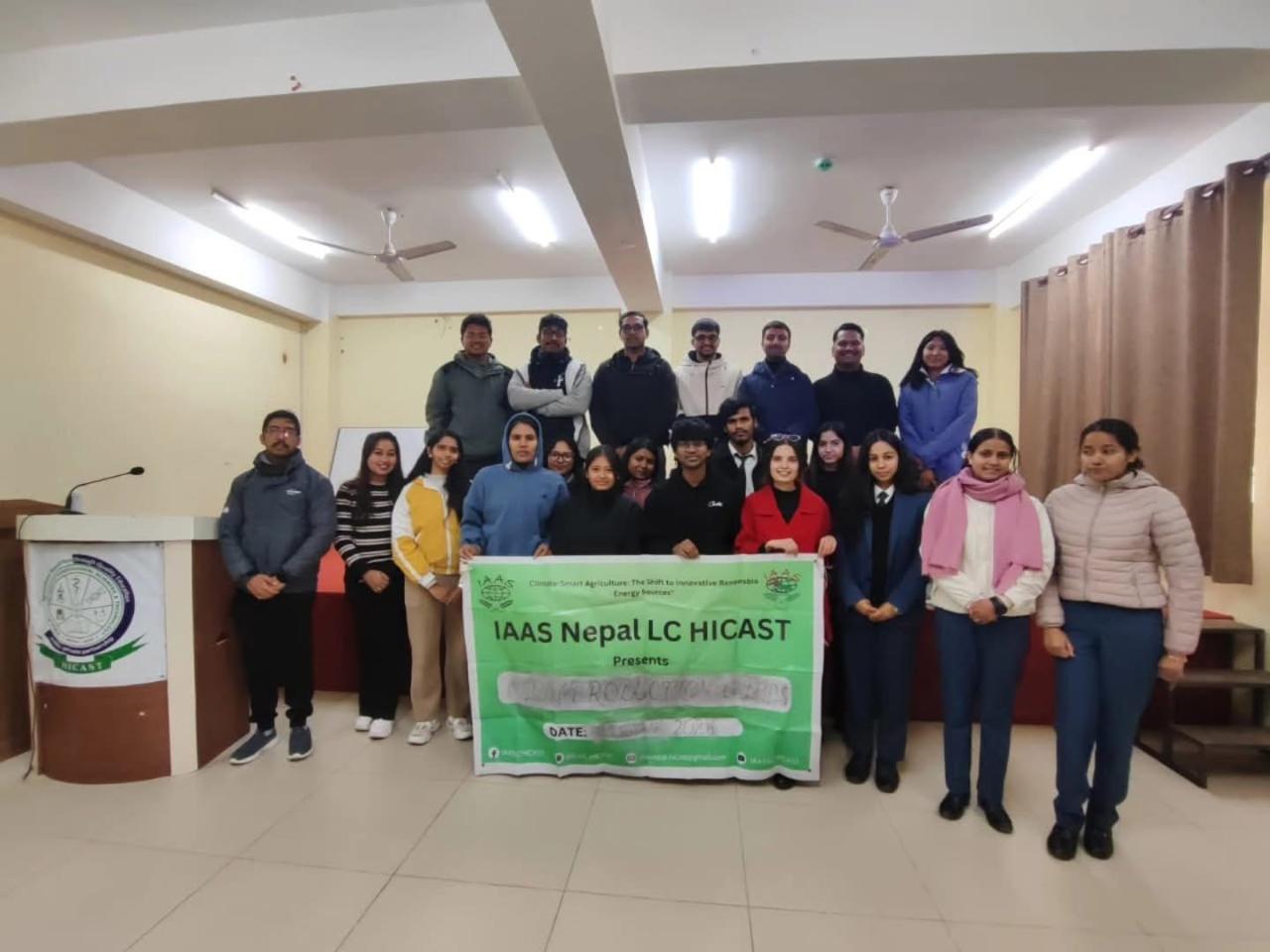
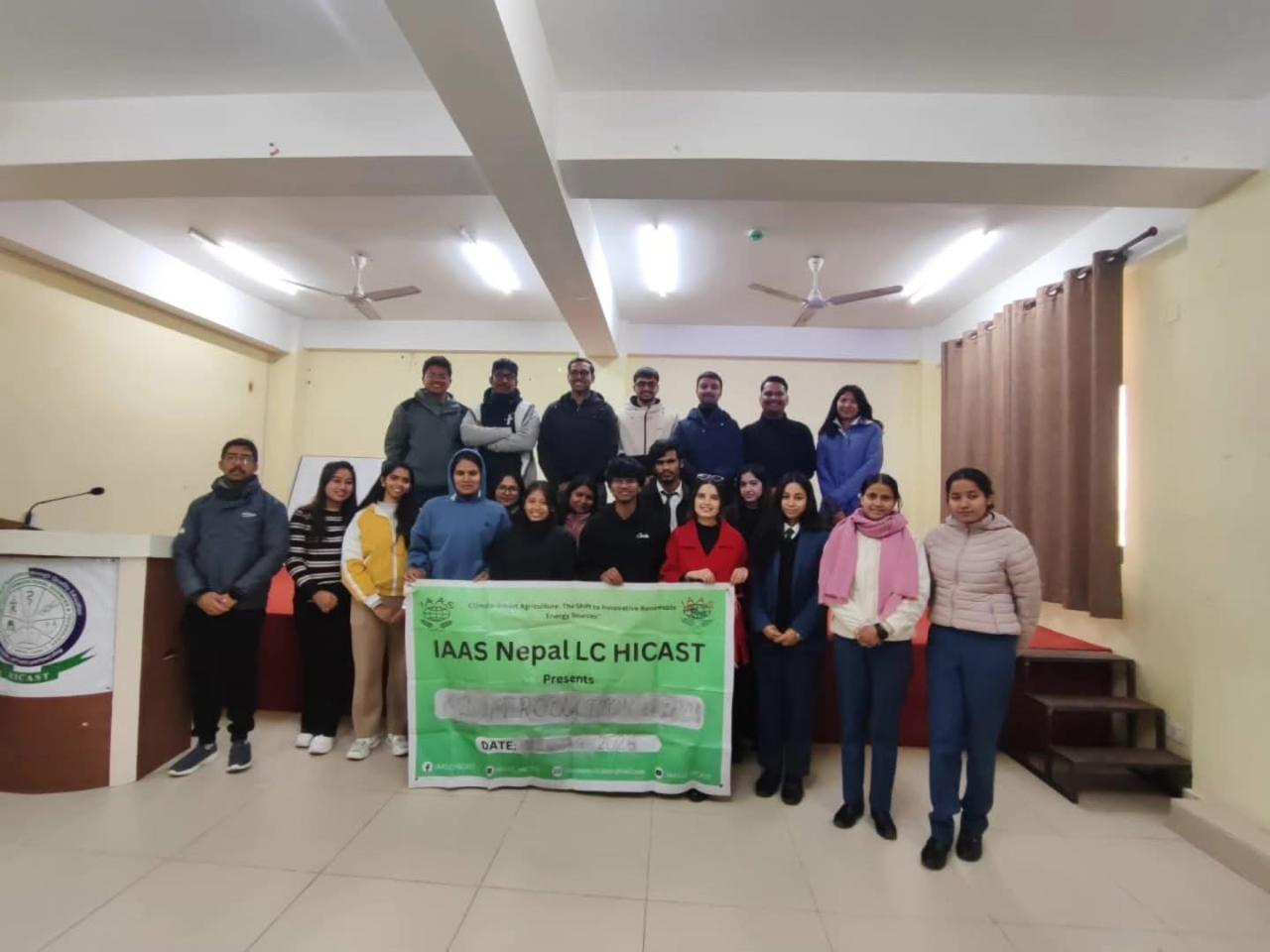
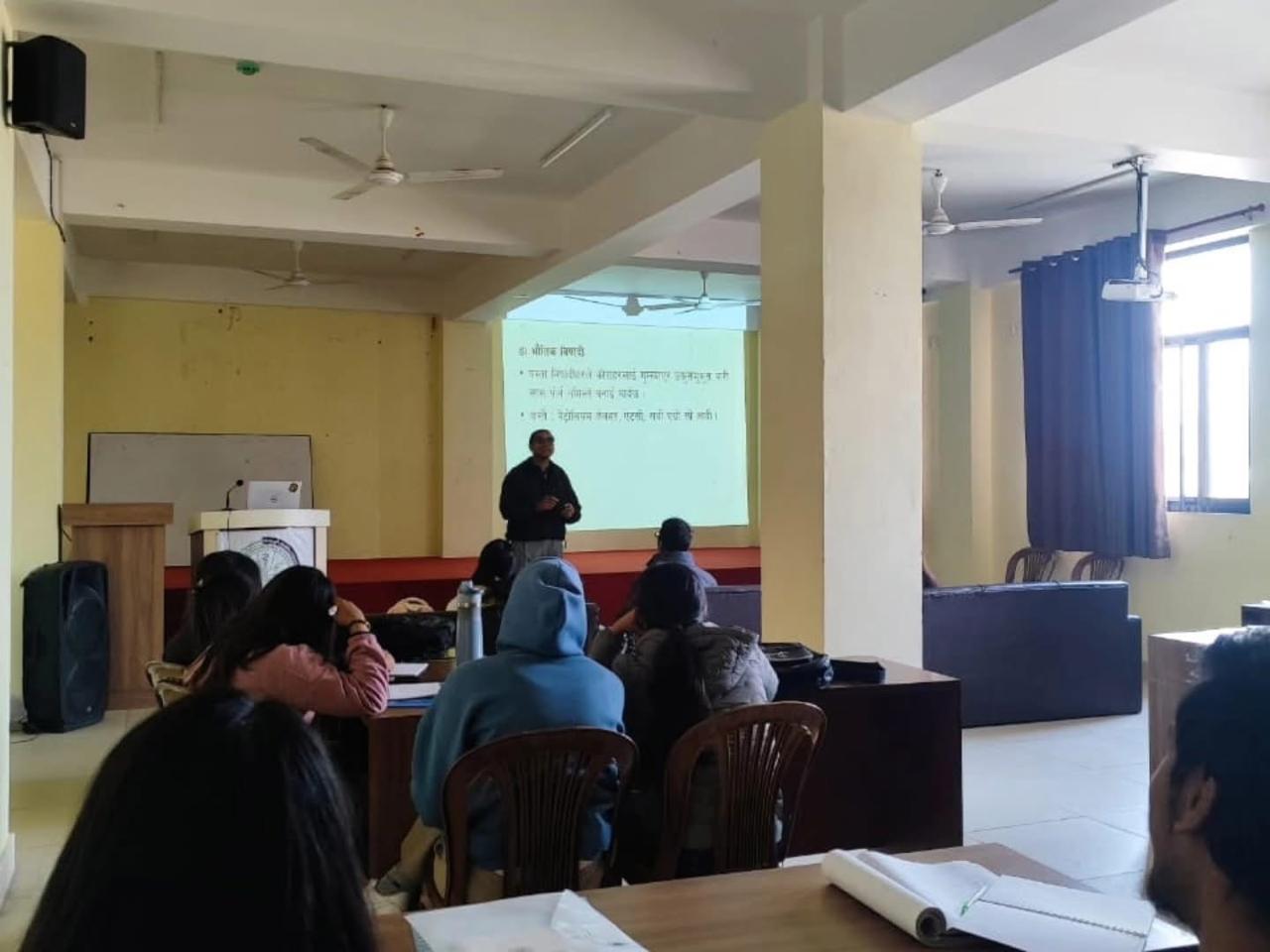
“Nepal Public Health Foundation under the Farming Health and Environment Nepal (FHEN) project conducted the Youth Ambassador Program a HICAST College, strengthening youth engagement in public health and community action”.
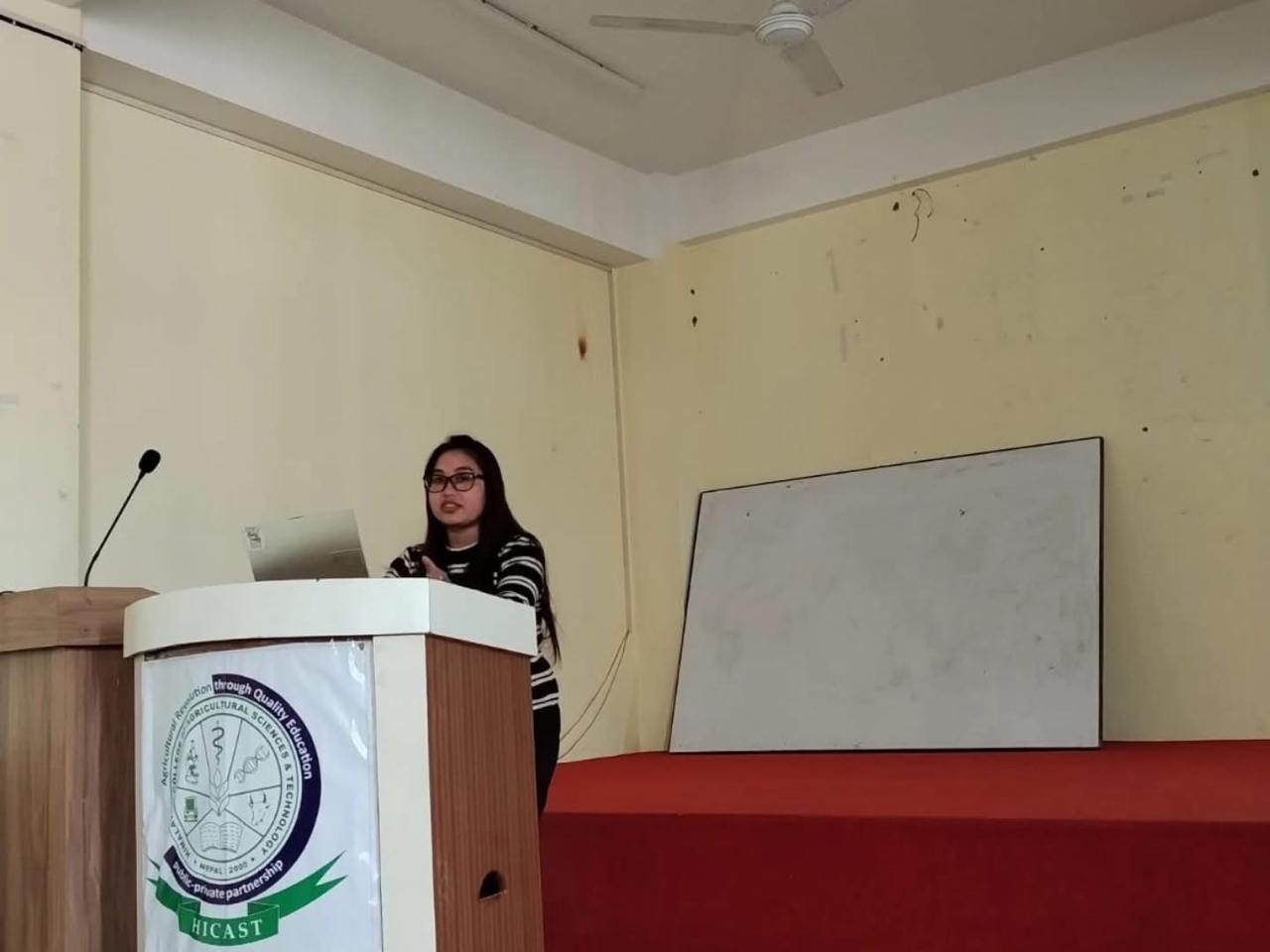
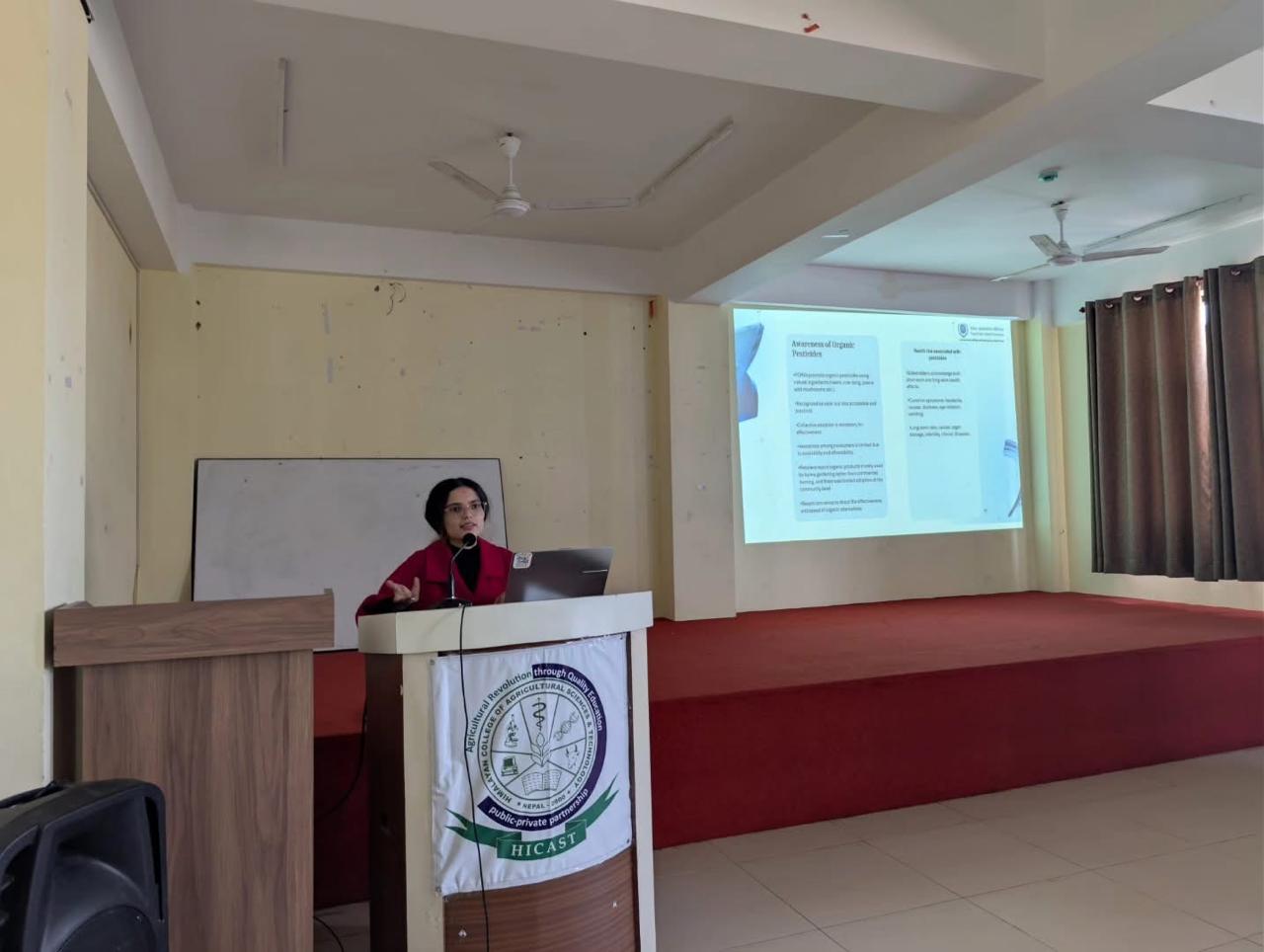
Author: NPHF
Ms. Deepesha Silpakar joins the University of Oxford as a Visiting Fellow under the Oxford Martin School Programme on Global Epilepsy
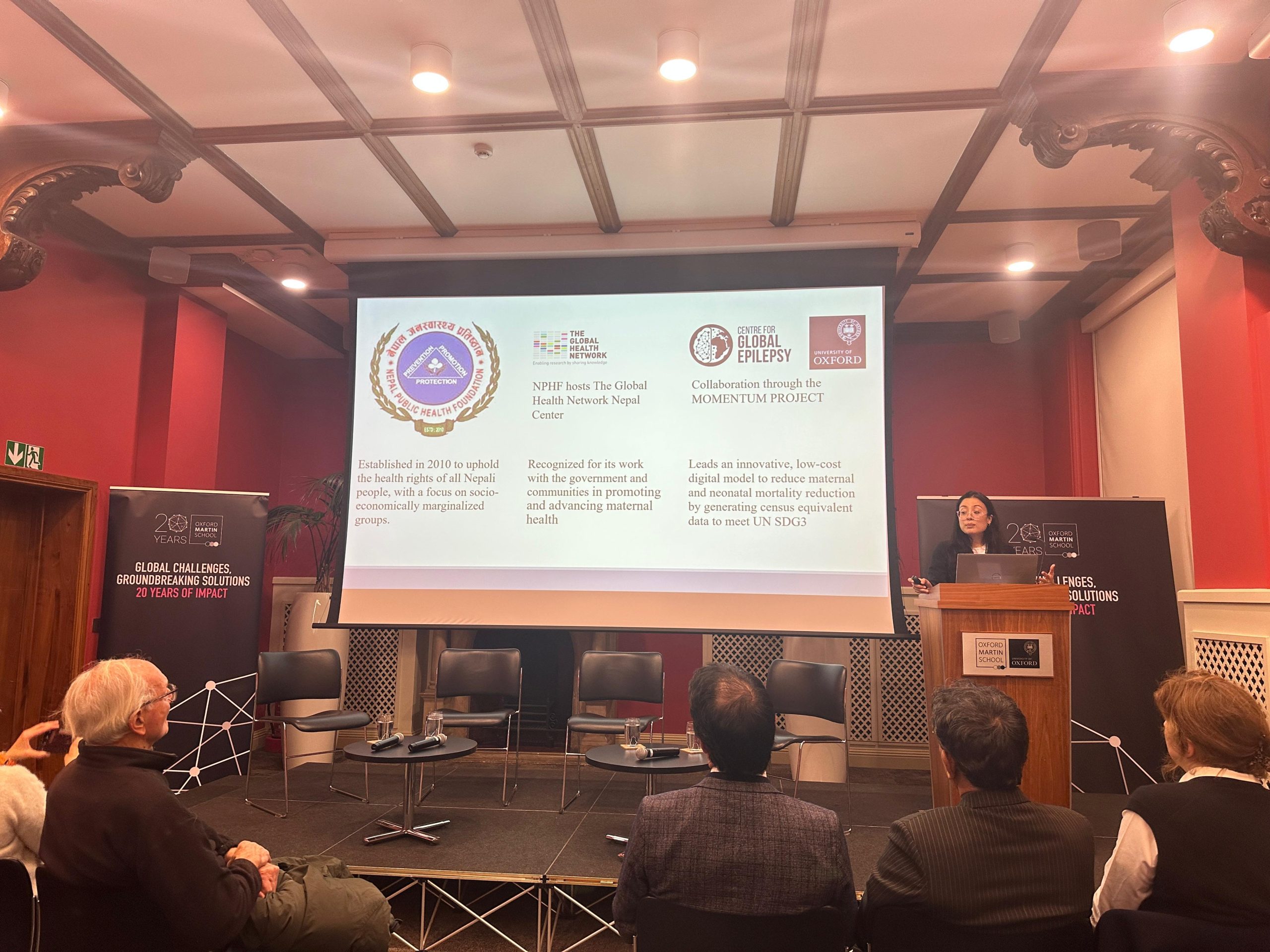
We are proud to share that Ms. Deepesha Silpakar, Project Coordinator at Nepal Public Health Foundation (NPHF) and currently serving as Country Coordinator for The Global Health Network, Nepal Centre. She recently received an exceptional opportunity to join the University of Oxford as a Visiting Fellow under the Oxford Martin School Programme on Global Epilepsy.
As part of her fellowship, she presented her research, “Integrating Epilepsy into Maternal Health Care Pathways: Lessons from Nepal and Global Insights,” at the Oxford Martin School. Her talk was followed by an insightful panel discussion with distinguished global experts.
Ms. Silpakar is also continuing her academic journey alongside her professional work. Her dedication, hard work, and achievements reflect both her commitment to advancing public health in Nepal and her active role in global health research networks.
Nel settore dell’intrattenimento digitale, avere accesso a informazioni chiare e ben strutturate è diventato fondamentale per gli utenti. Chi si avvicina al mondo del gioco online cerca spesso piattaforme che sappiano guidare, spiegare e offrire contenuti comprensibili senza creare confusione. In questo contesto, spinroma rappresenta una risorsa pensata per accompagnare il lettore nella scoperta di temi legati al gaming online con un approccio ordinato e accessibile.
Uno degli aspetti più rilevanti è la semplicità della navigazione. Un sito ben organizzato consente di individuare rapidamente le informazioni di interesse, evitando dispersioni e rendendo l’esperienza più piacevole. Questo tipo di struttura è particolarmente apprezzata sia da chi è alle prime armi sia da utenti più esperti, che cercano contenuti diretti e facili da consultare.
La qualità editoriale contribuisce in modo significativo alla credibilità complessiva. Testi chiari, linguaggio equilibrato e spiegazioni coerenti aiutano a creare fiducia nel lettore. Quando le informazioni sono presentate in modo trasparente, l’utente si sente più sicuro nell’approfondire gli argomenti trattati e nel tornare sul sito per consultazioni future.
Un altro elemento importante è l’attenzione all’aggiornamento dei contenuti. Il mondo del gioco online evolve rapidamente e restare al passo con le novità è essenziale per mantenere la propria utilità. Piattaforme che dimostrano continuità e cura nel rinnovare le informazioni offrono un valore aggiunto concreto agli utenti.
Nel complesso, un progetto informativo efficace riesce a combinare chiarezza, affidabilità e facilità di utilizzo. Offrire contenuti ben organizzati e aggiornati permette agli utenti di orientarsi meglio e di affrontare il tema del gioco online con maggiore consapevolezza, trasformando la semplice consultazione in un’esperienza realmente utile.
Congratulations, Ms. Silpakar — you make us proud!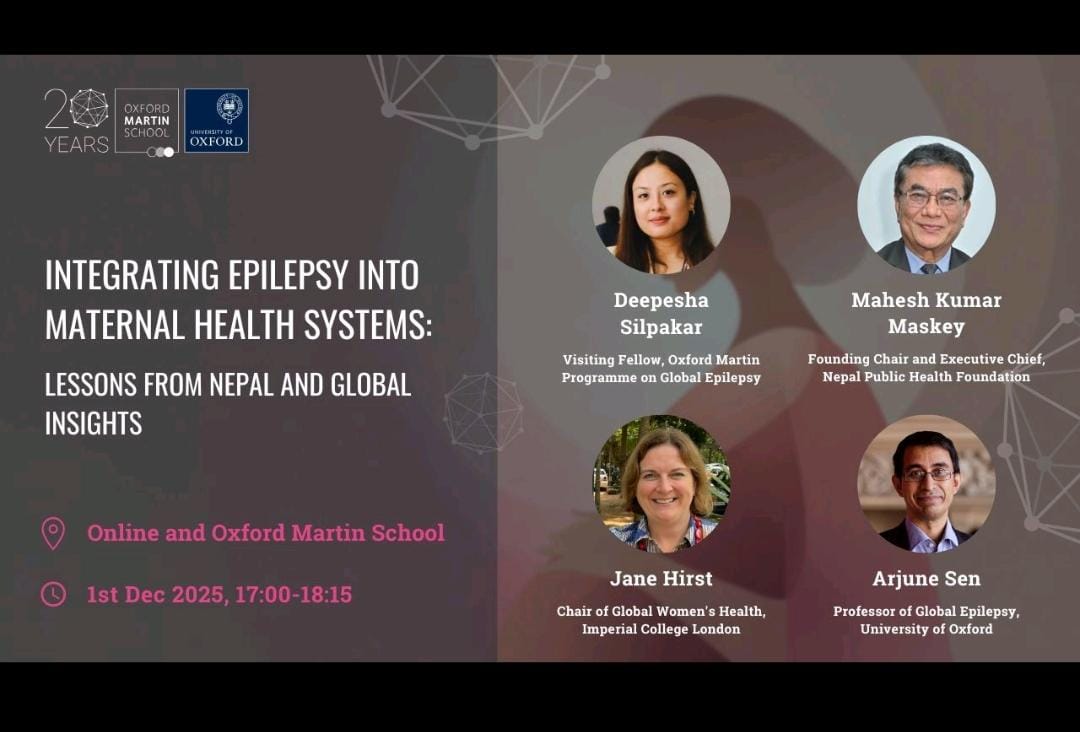
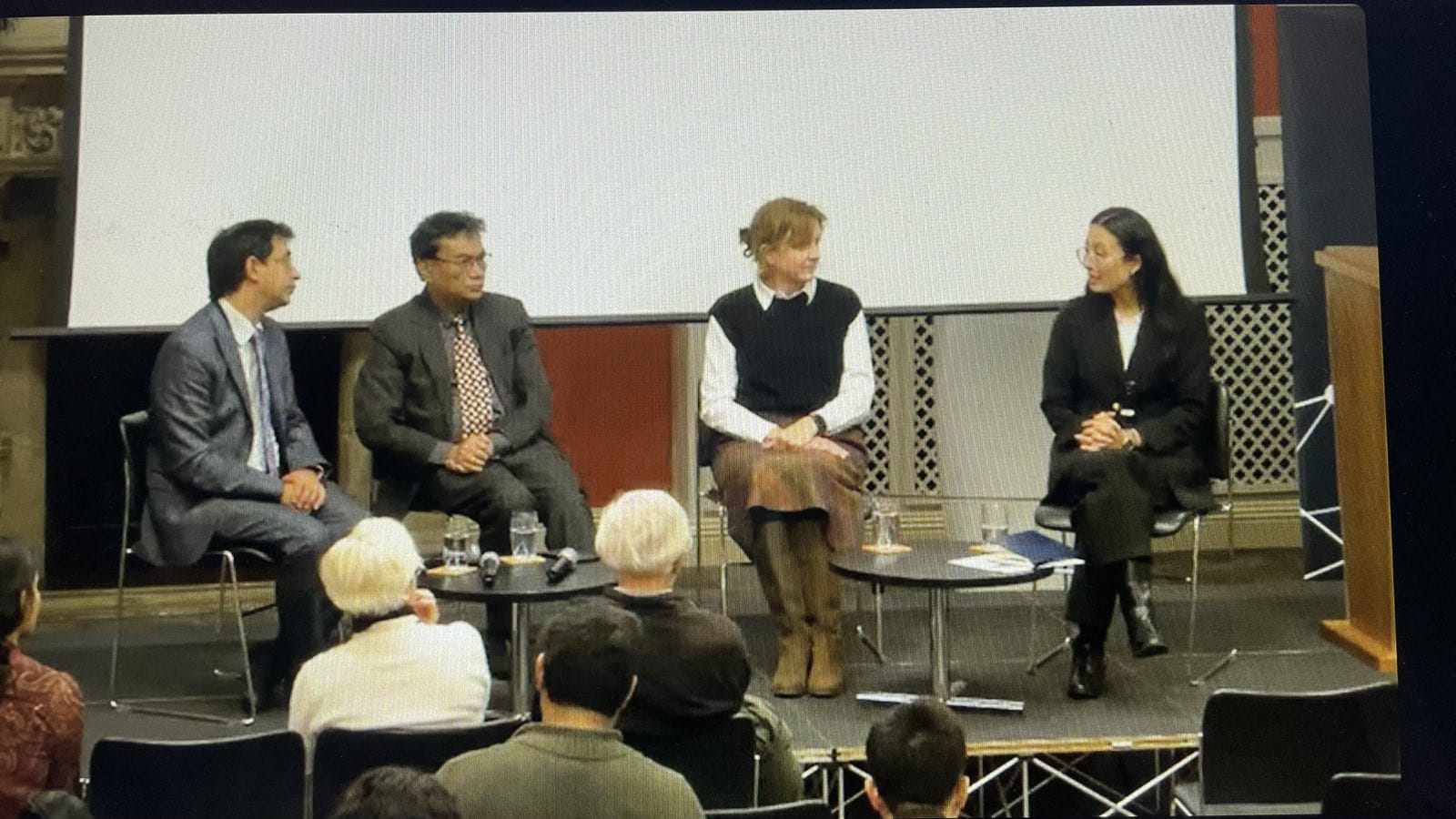
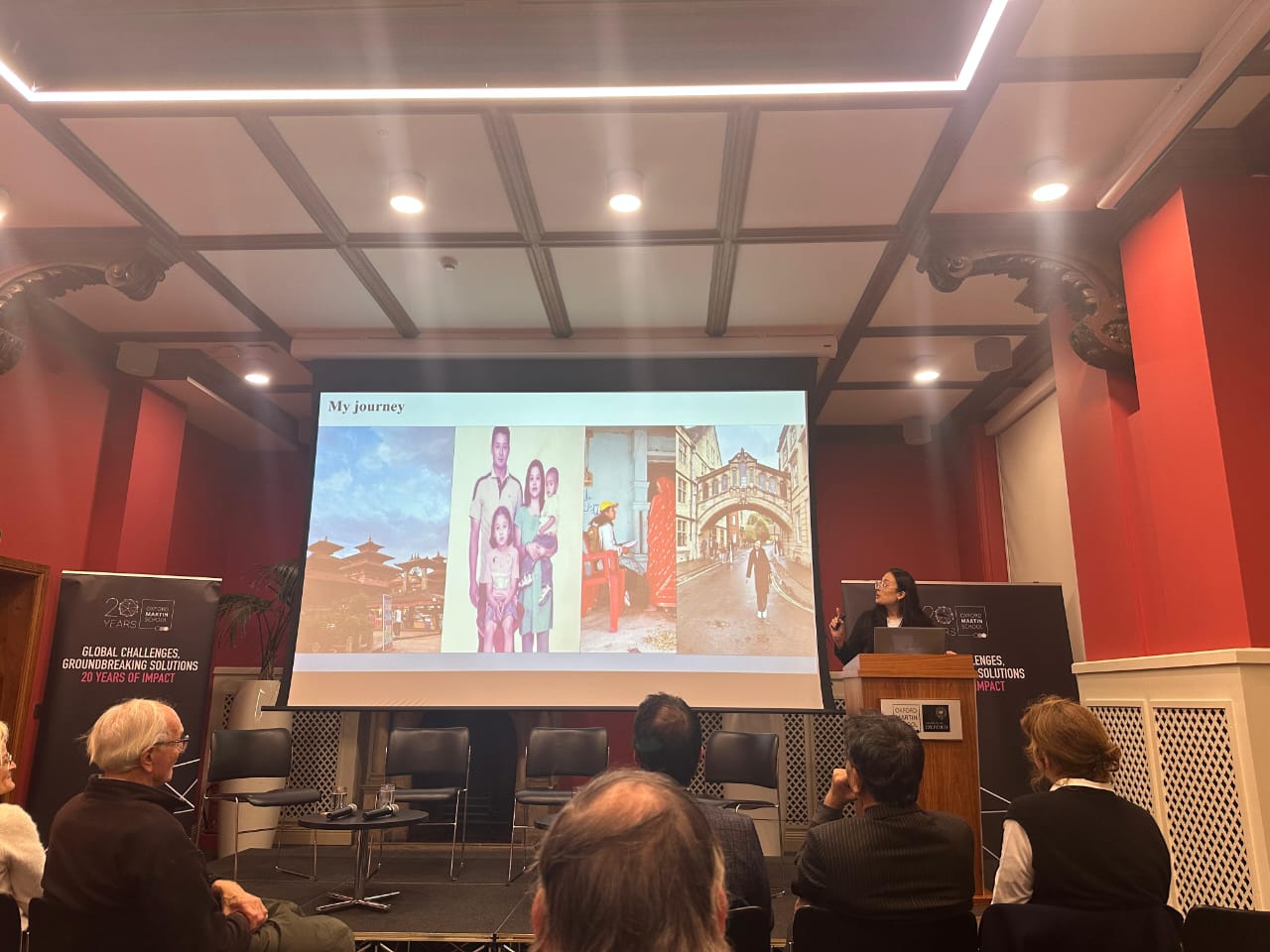
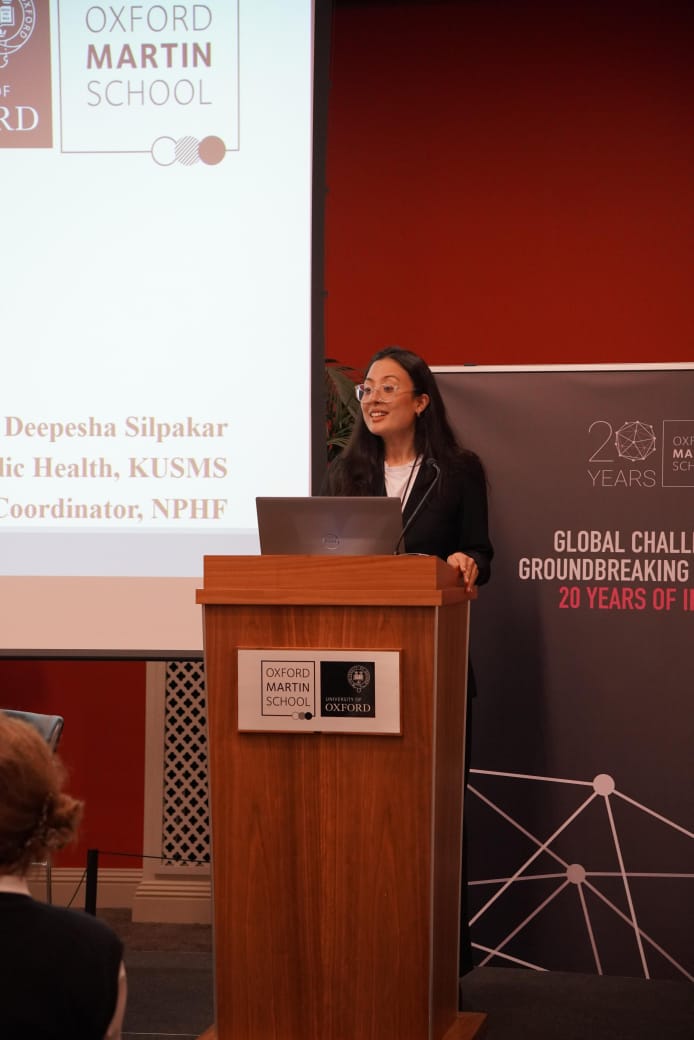
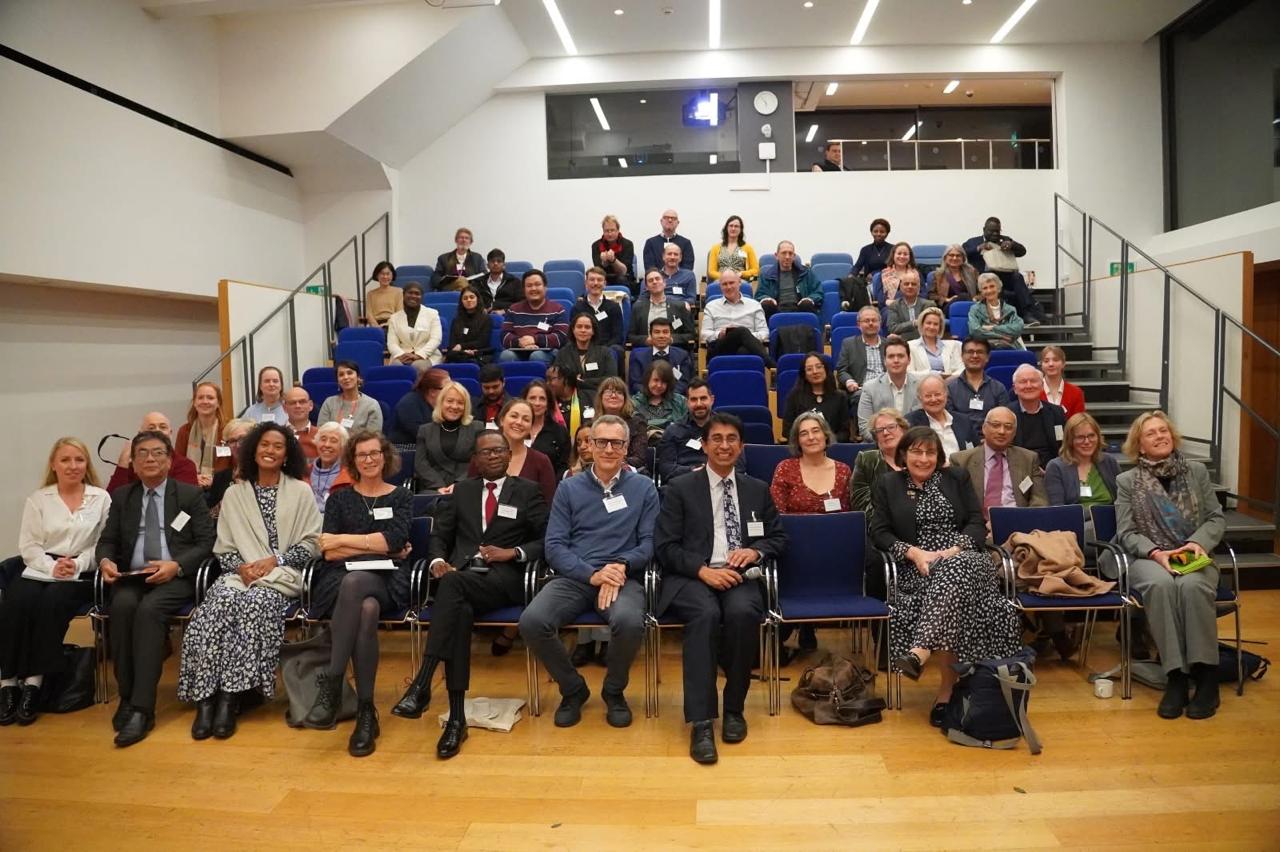
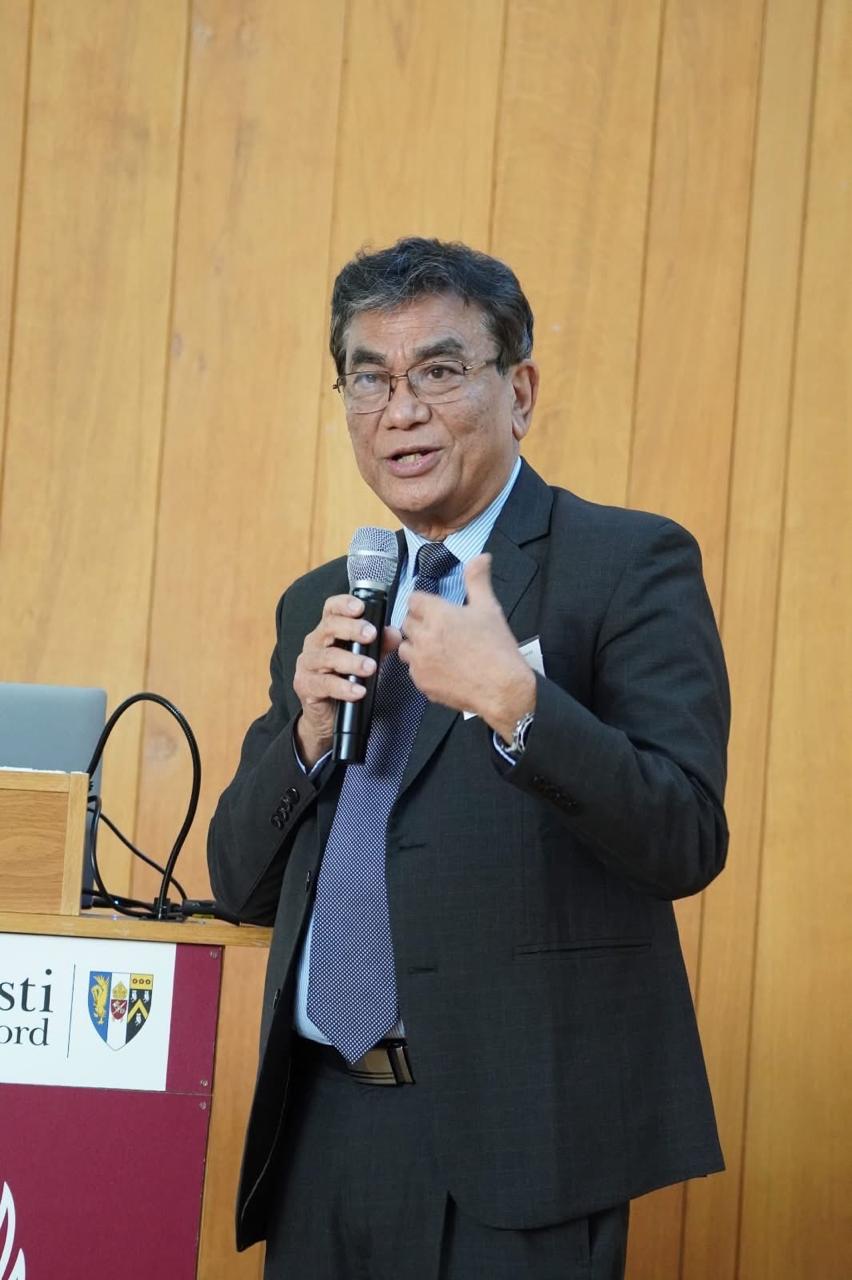
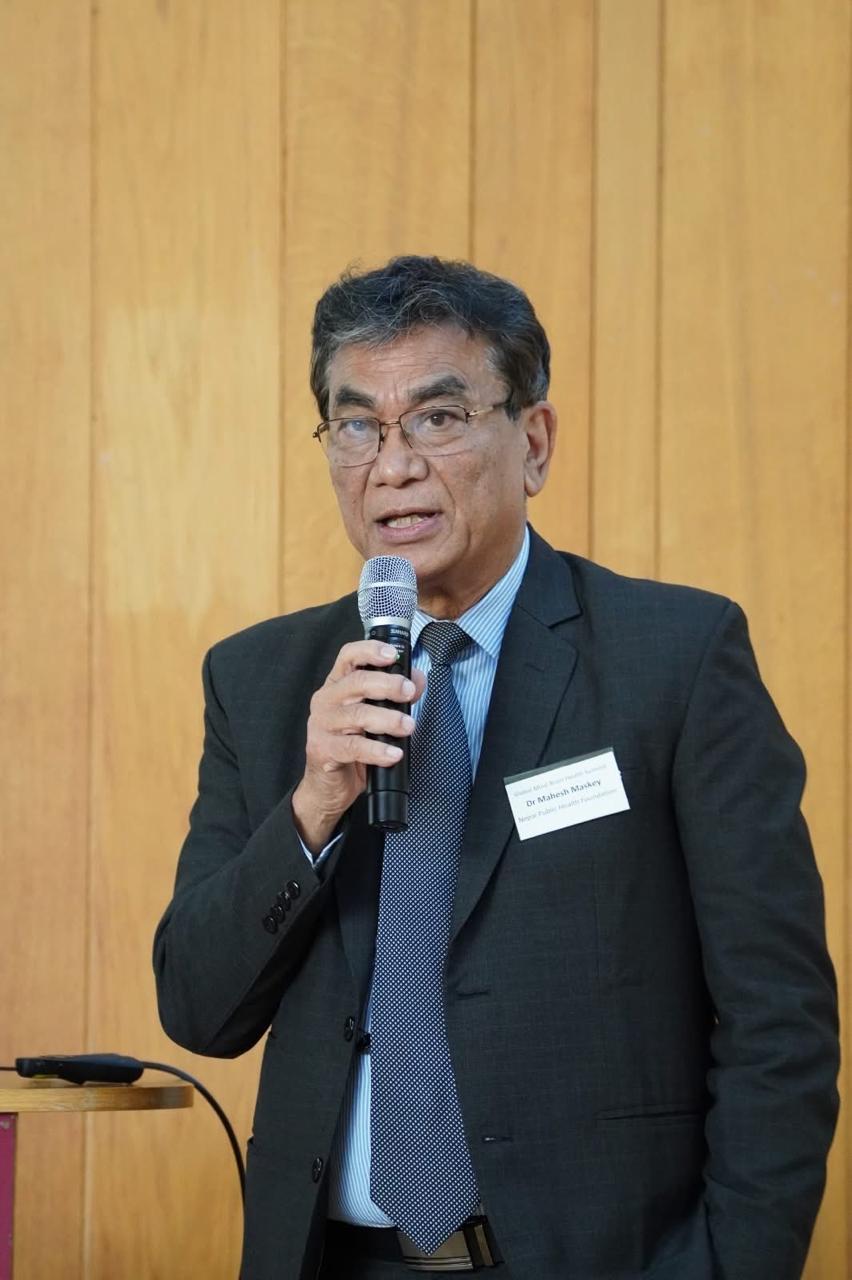
Dr. Mahesh Kumar Maskey at the University of Oxford for the inaugural Global Mind–Brain Health Summit.
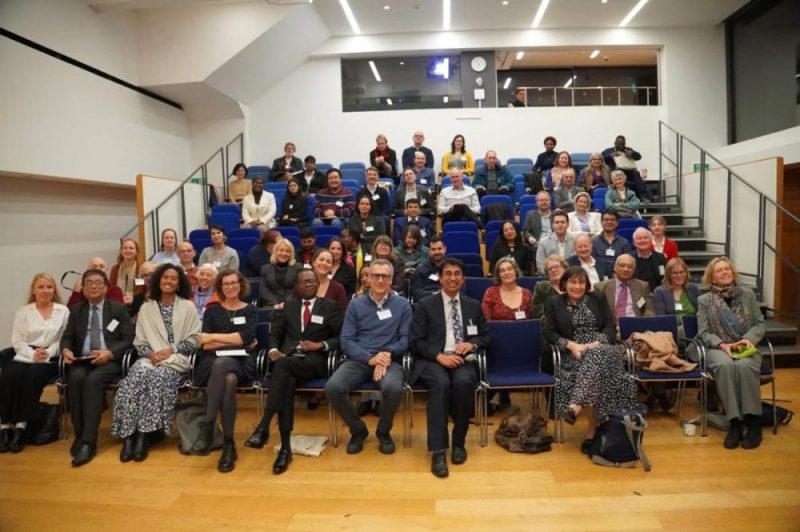
Our Founding Chair and Executive Chief, Dr. Mahesh Kumar Maskey, was recently invited to the inaugural Global Mind–Brain Health Summit held at Corpus Christi College, University of Oxford, hosted by the Centre for Global Epilepsy. He delivered a presentation on the public health perspective of mind–brain health and also served as a panelist for the session Driving Sustainable Change: Securing the Future of Global Mind–Brain Health. The event was inaugurated by Lord William Hague, Chancellor of the University of Oxford.
This landmark summit convened an exceptional group of leaders from policy, research, healthcare, technology, and lived experience to address some of the most urgent challenges in mind–brain health. Through inspiring keynote presentations, insightful panel discussions, and dynamic engagement with participants, the gathering explored innovative and equitable strategies to improve diagnosis, treatment access, and long-term support for individuals affected by neurological and psychiatric conditions. 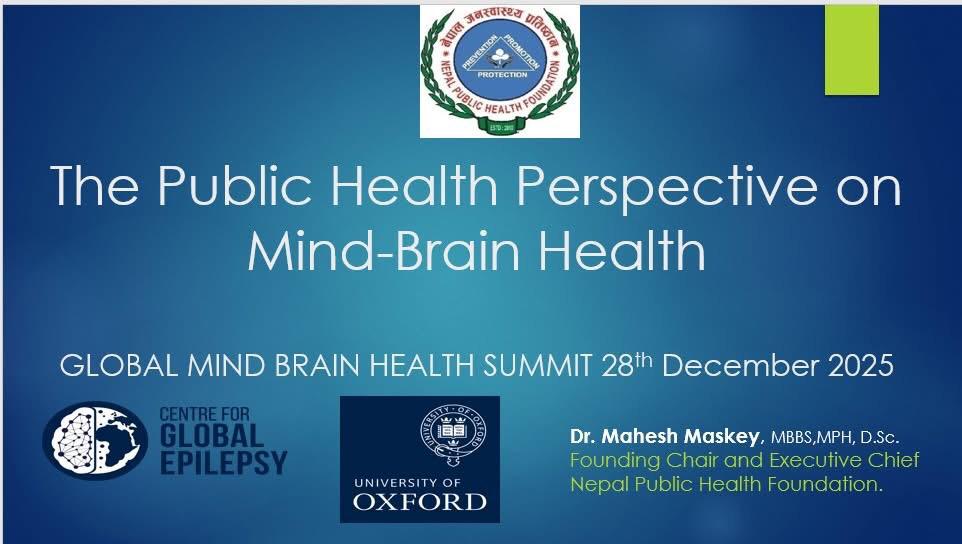
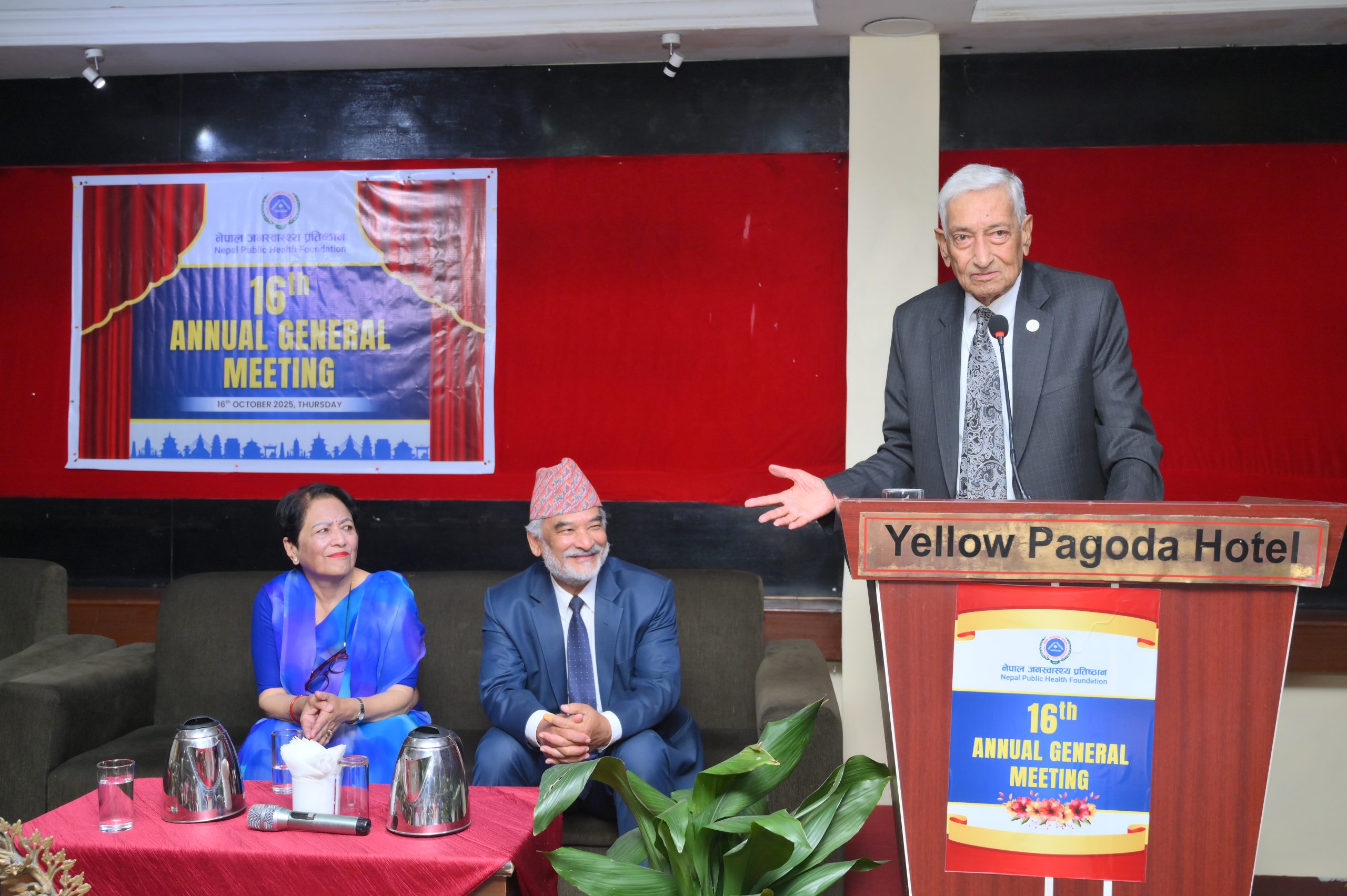
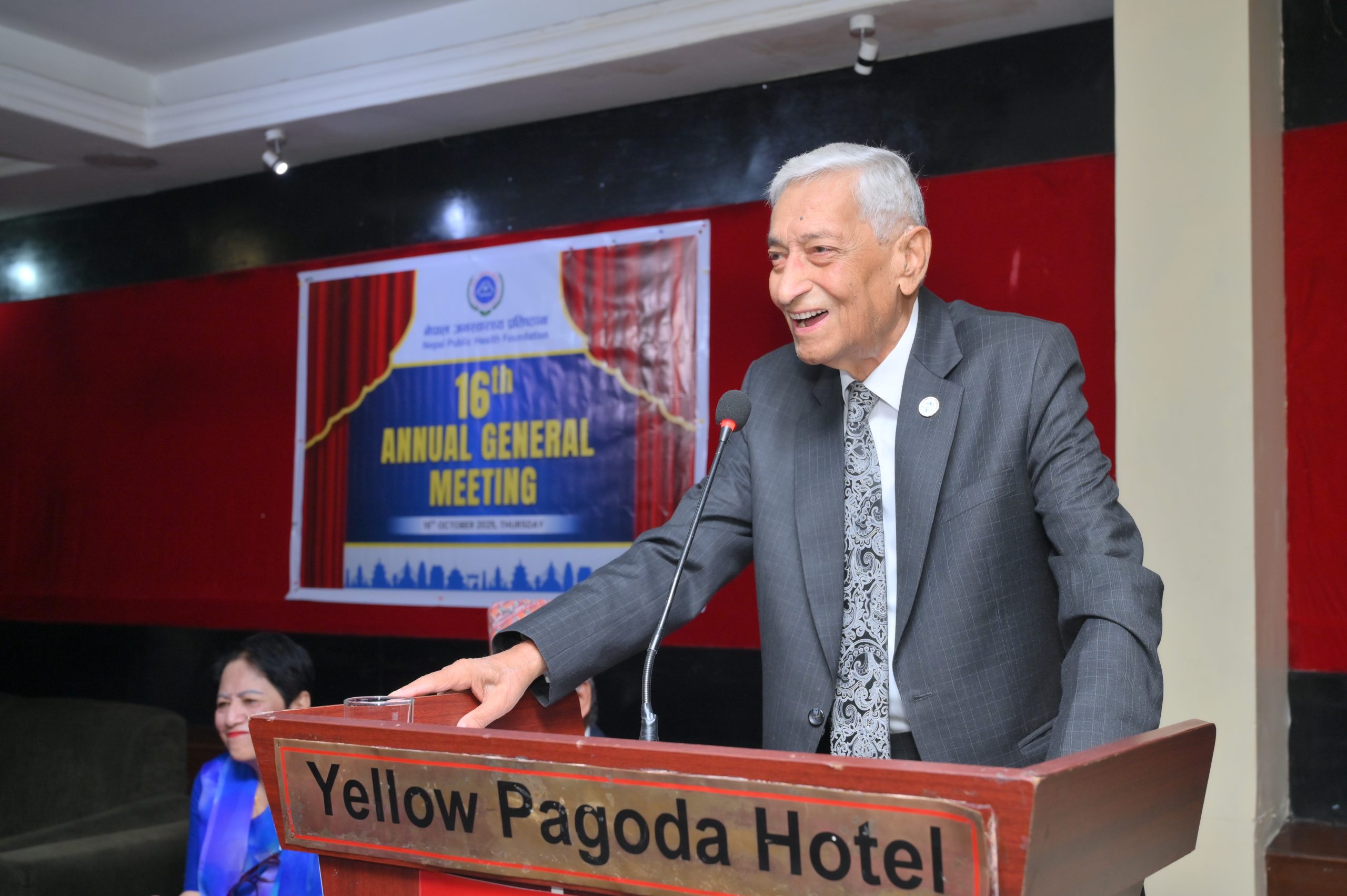
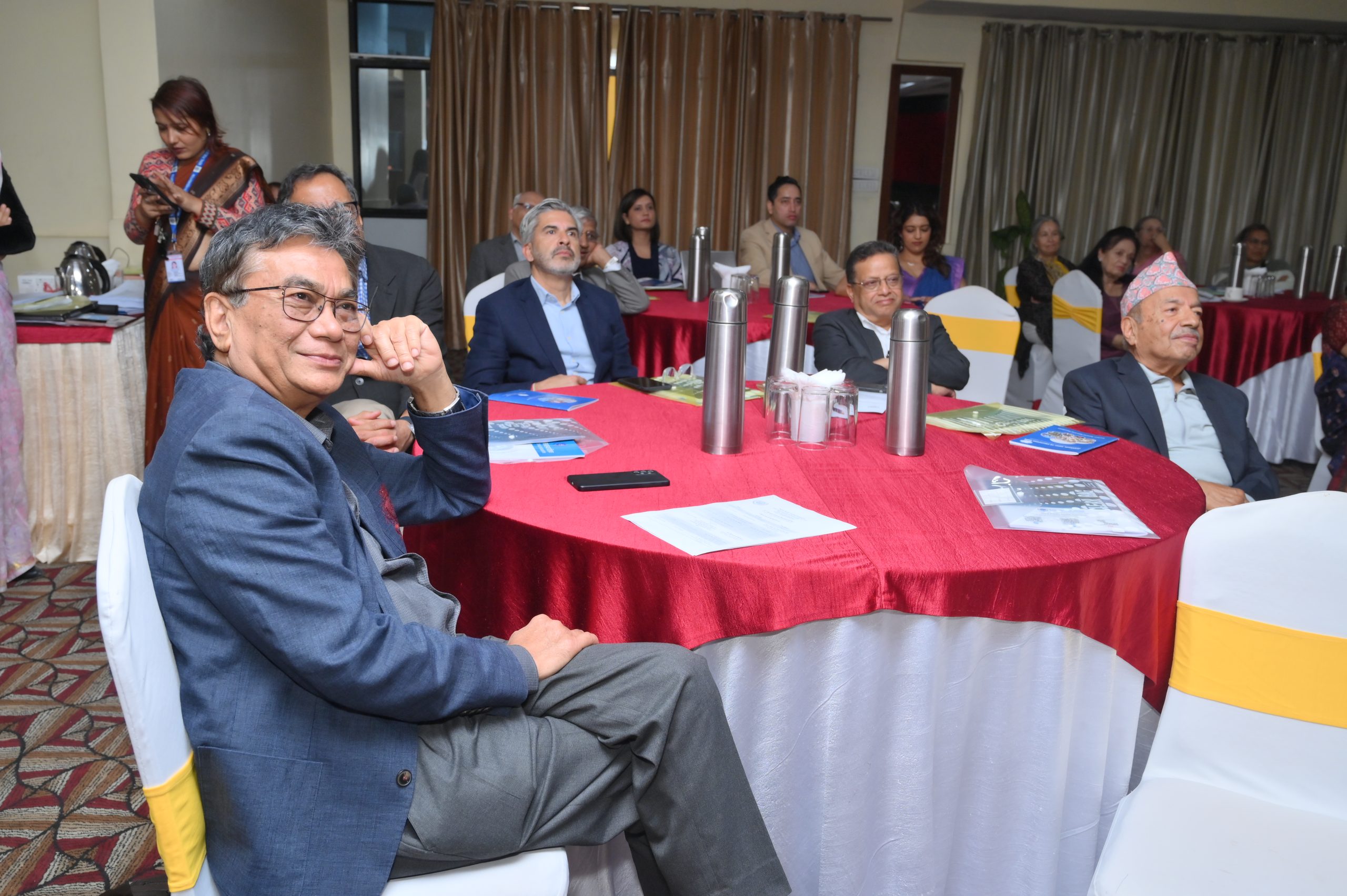
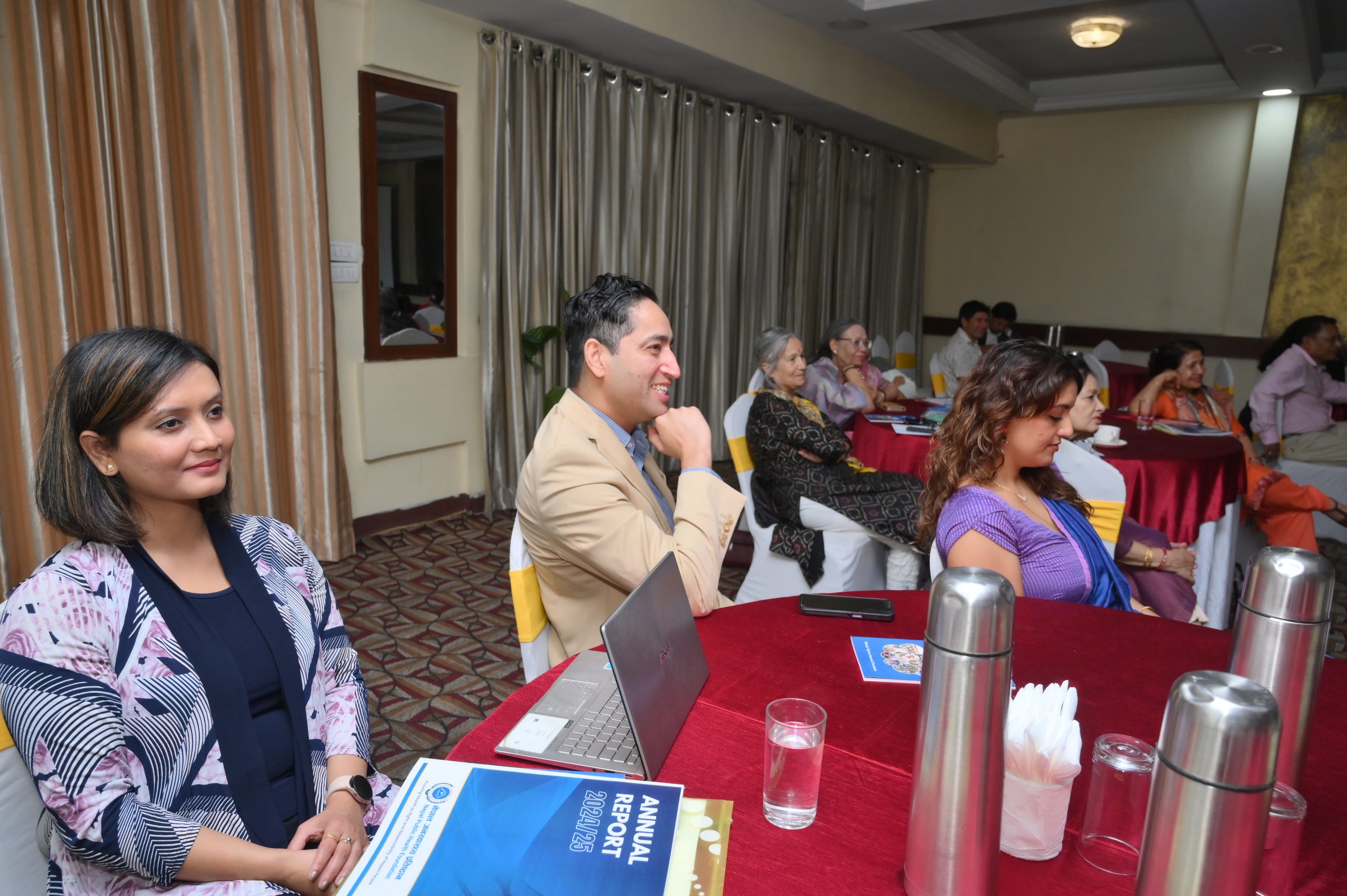
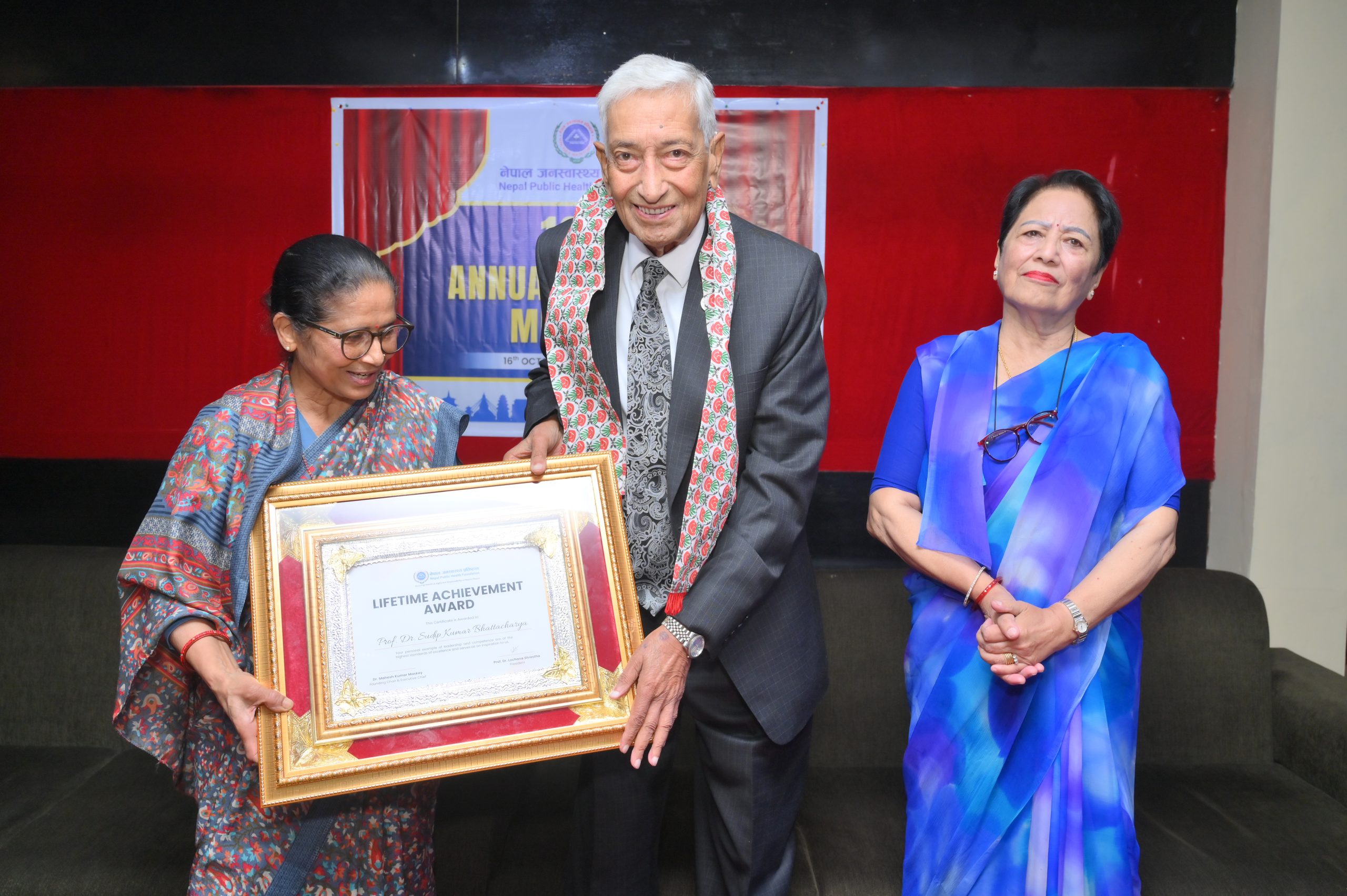
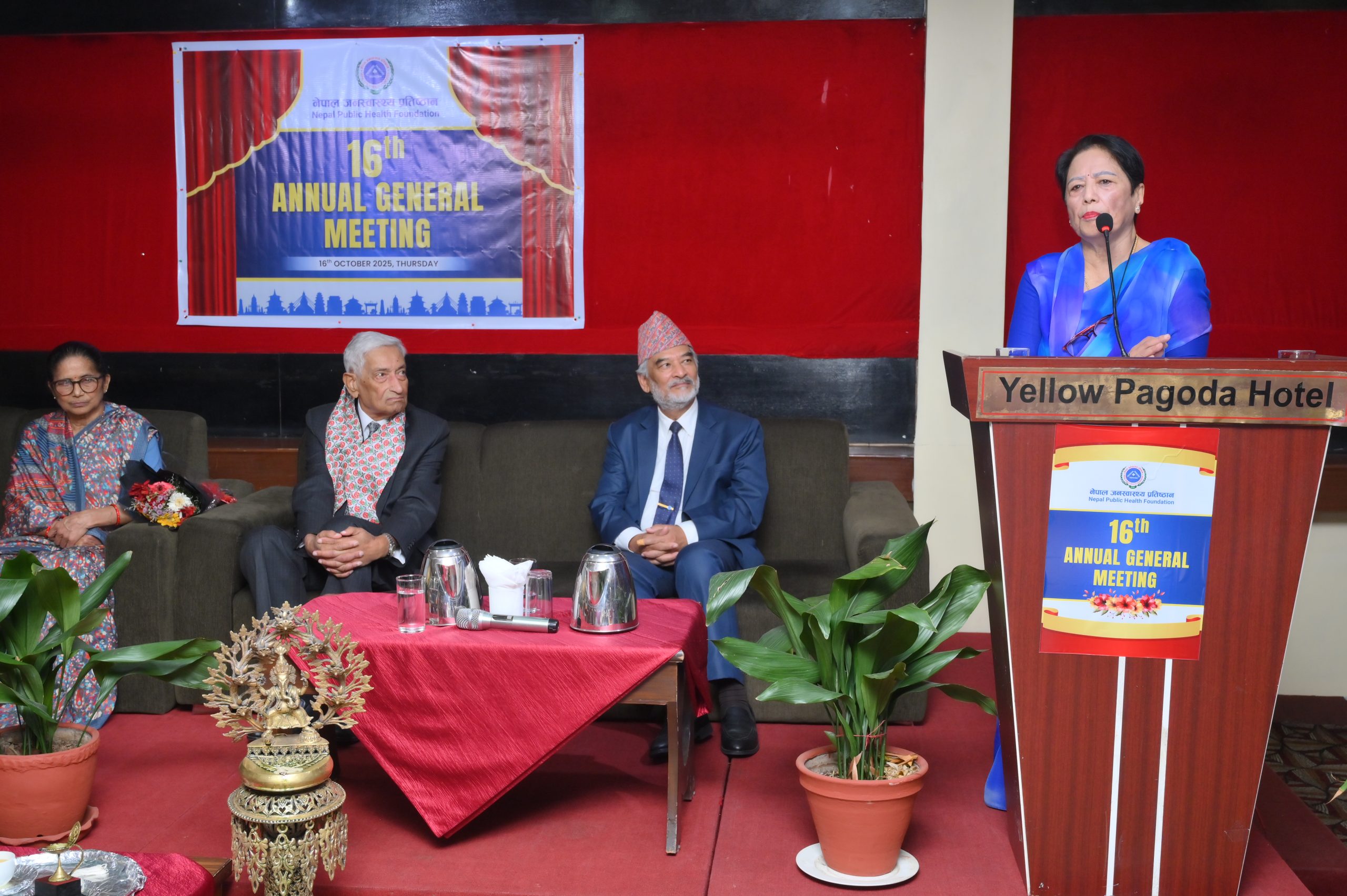
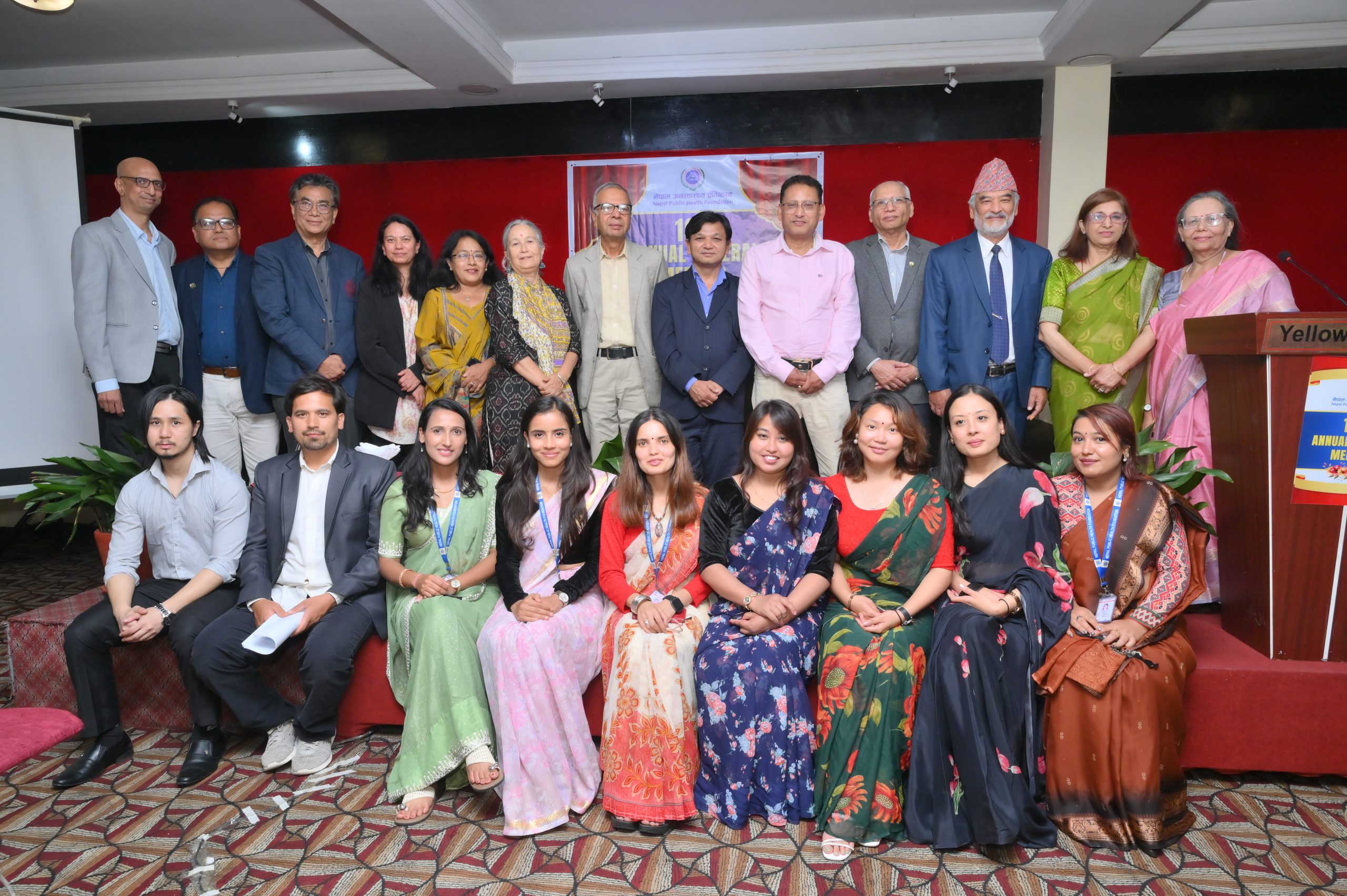
Nepal Public Health Foundation 16th Annual General Meeting (AGM)
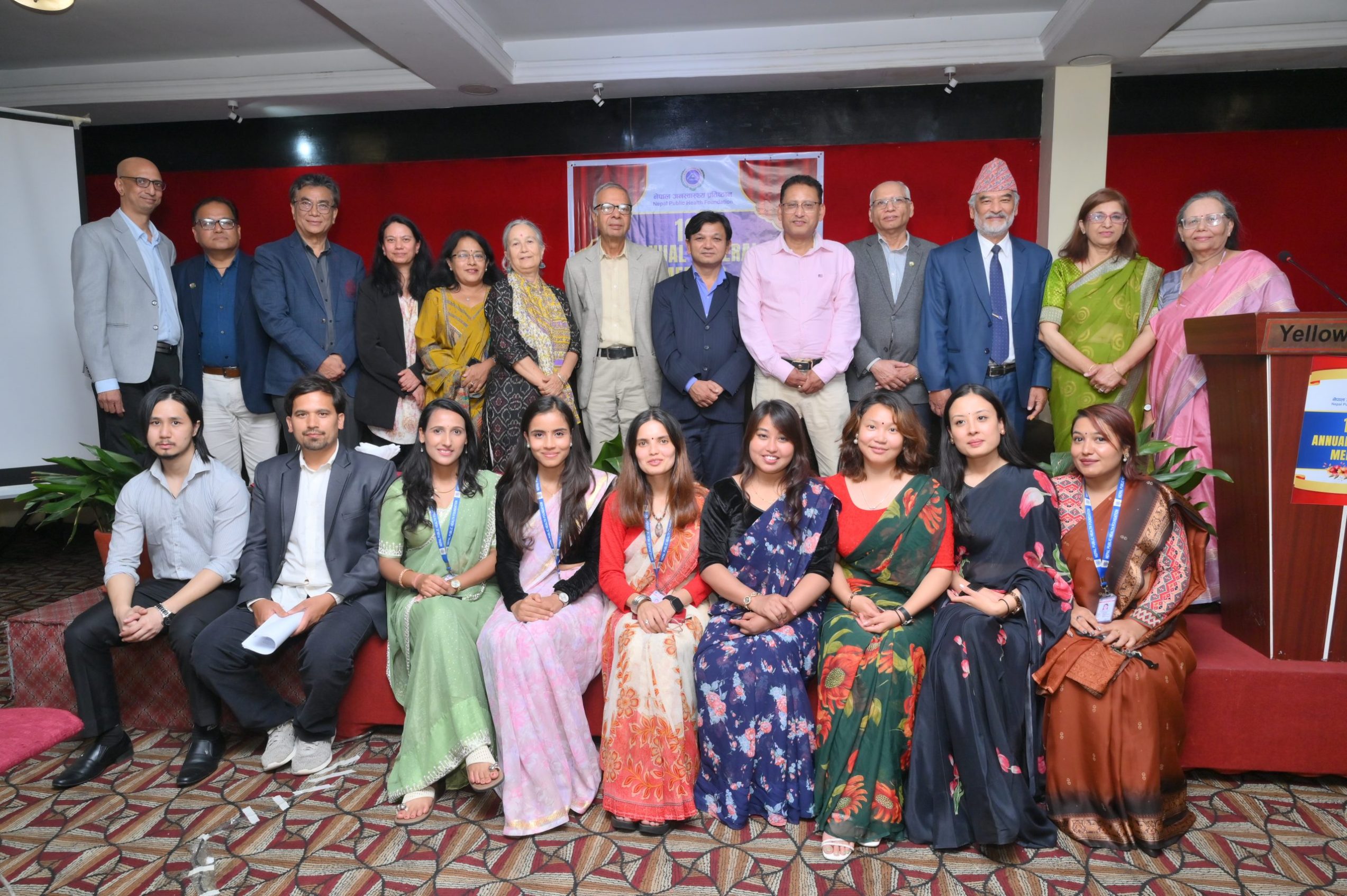
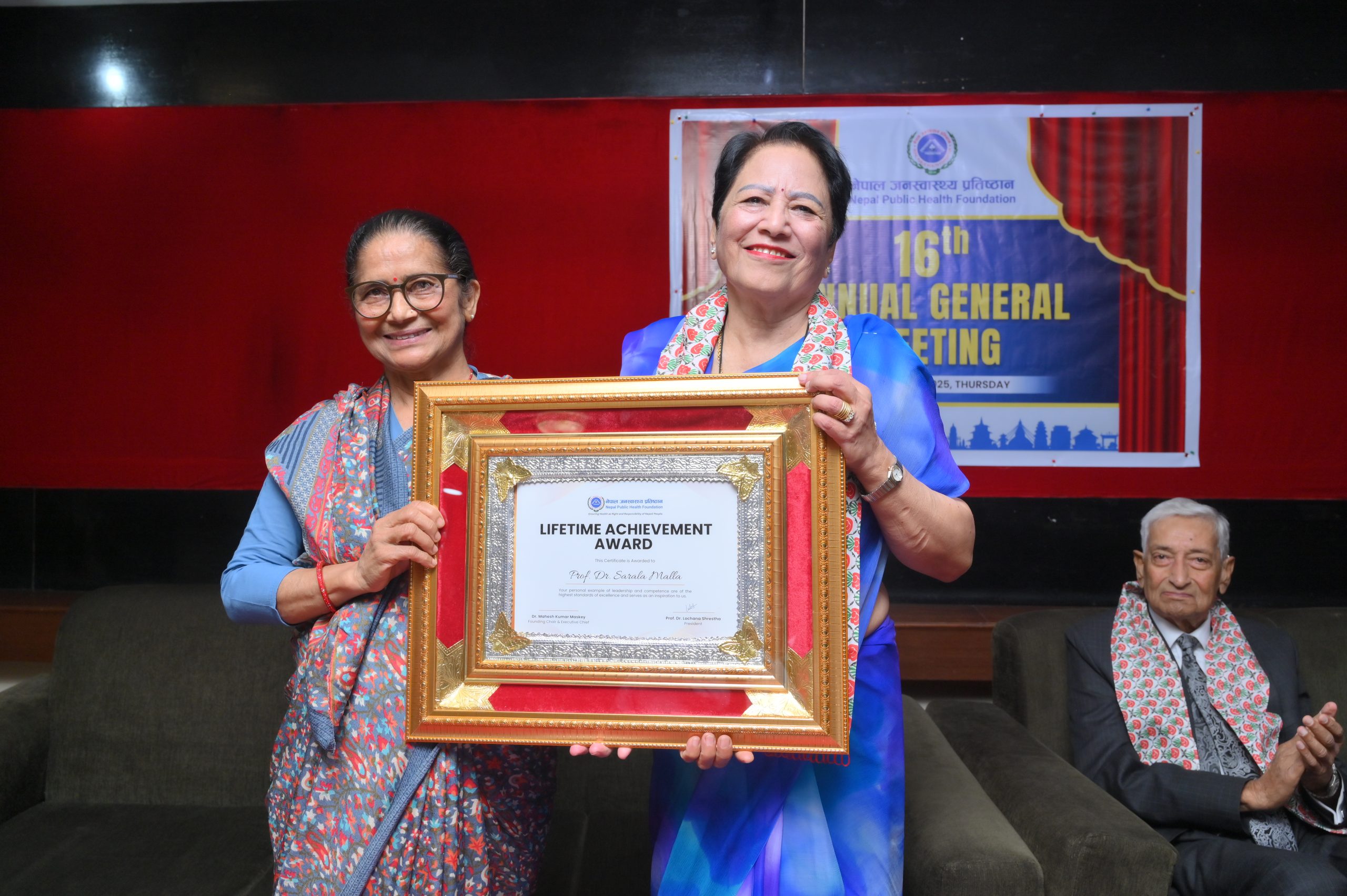
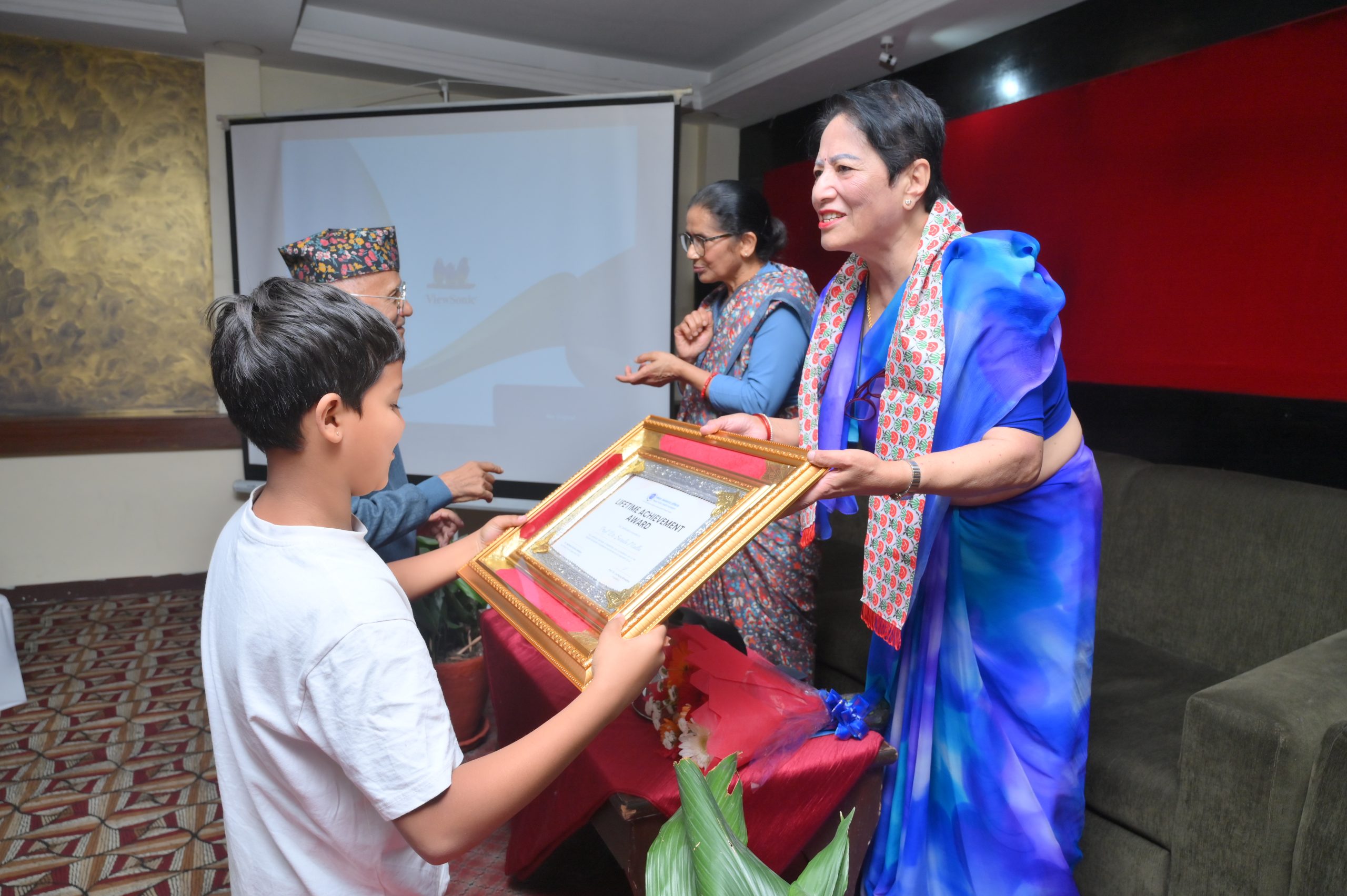
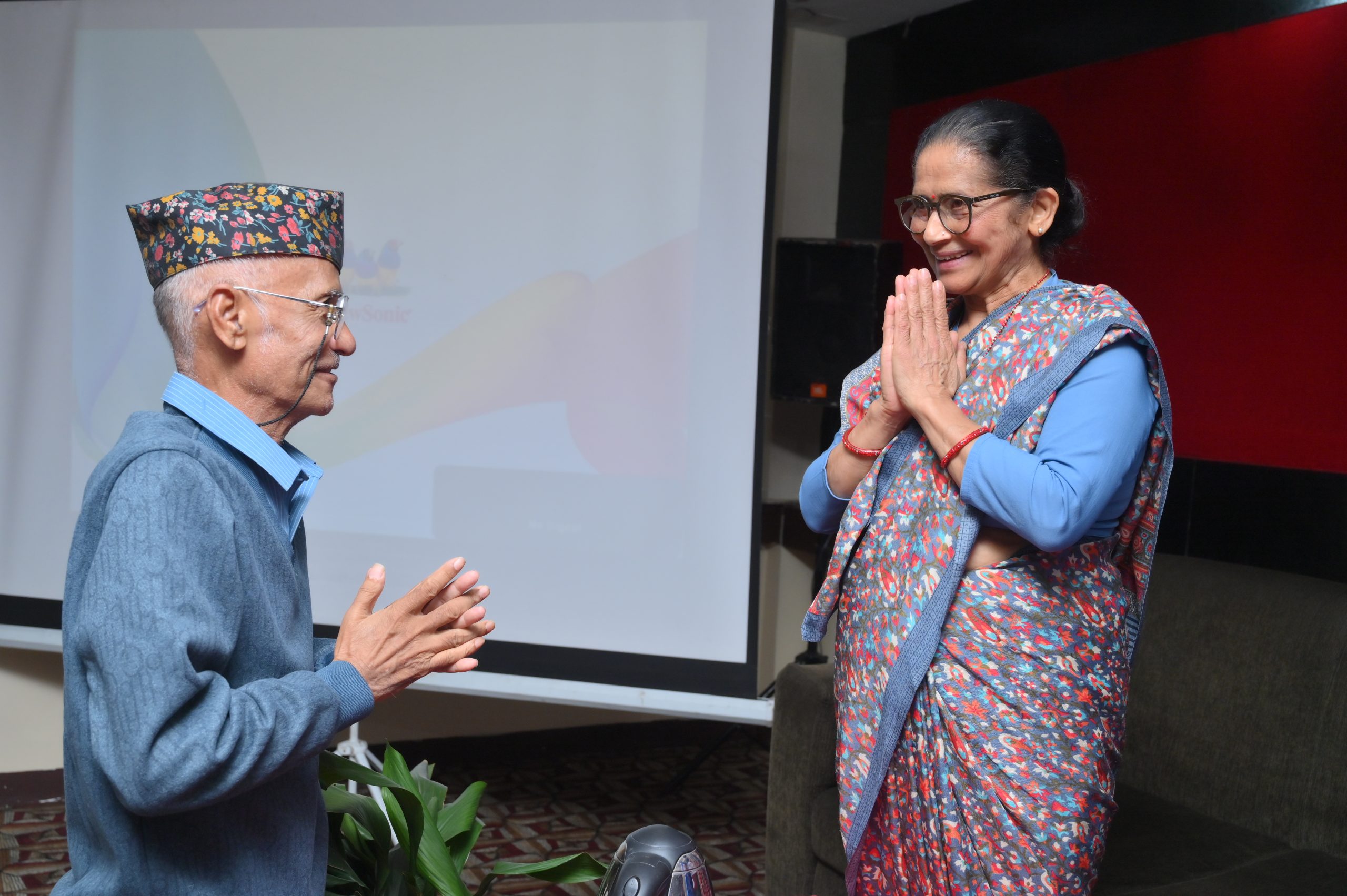
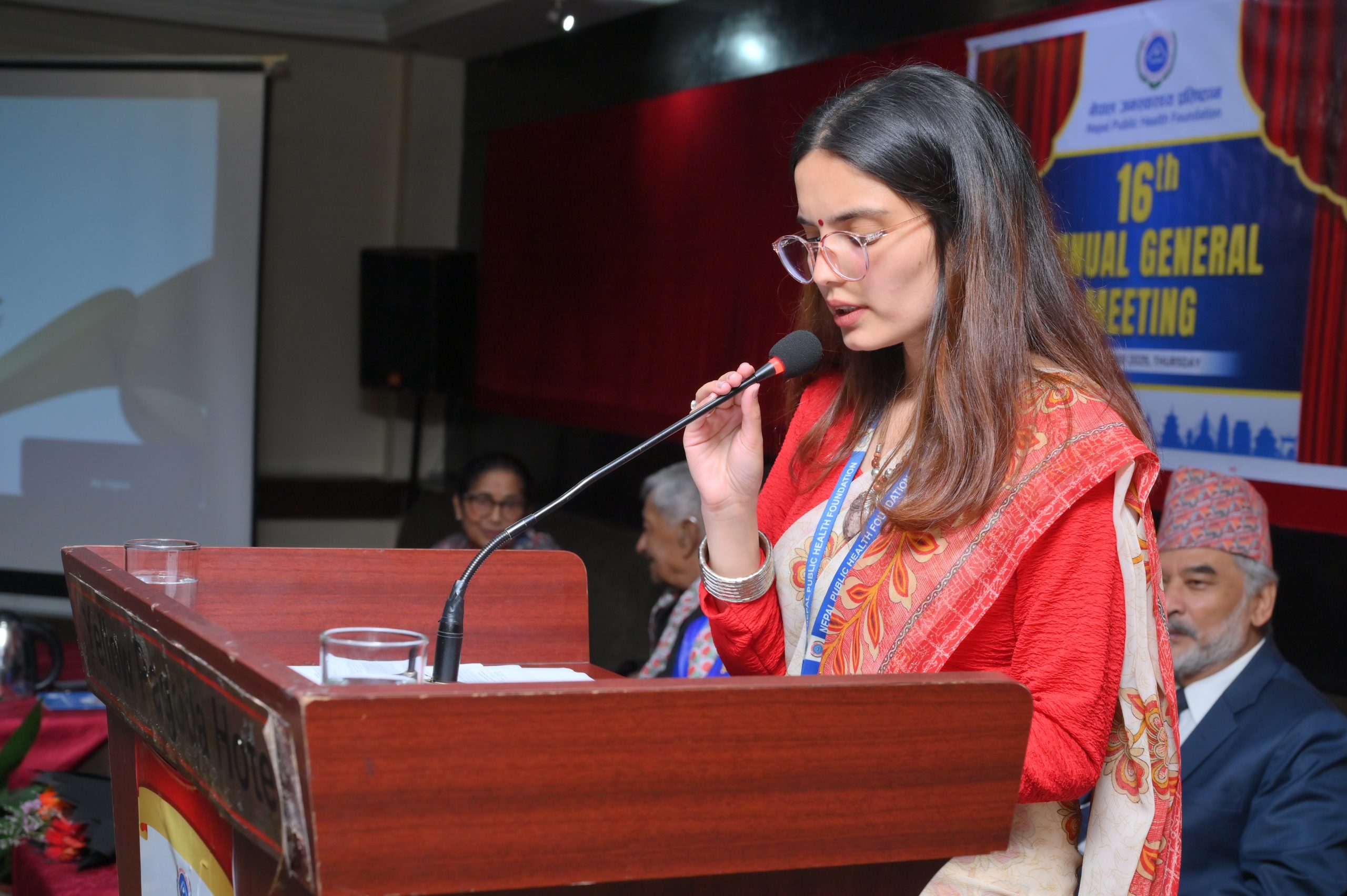
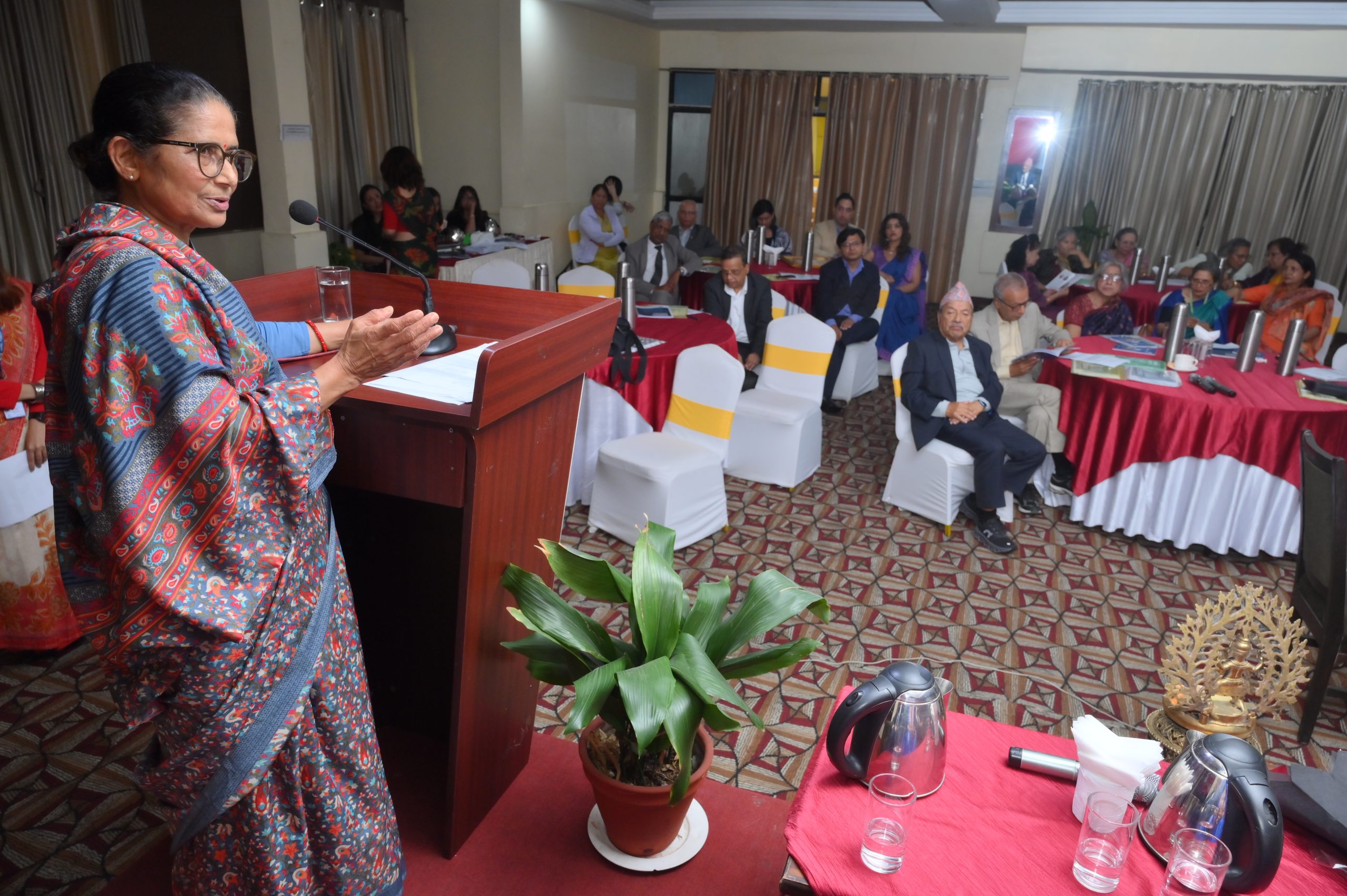
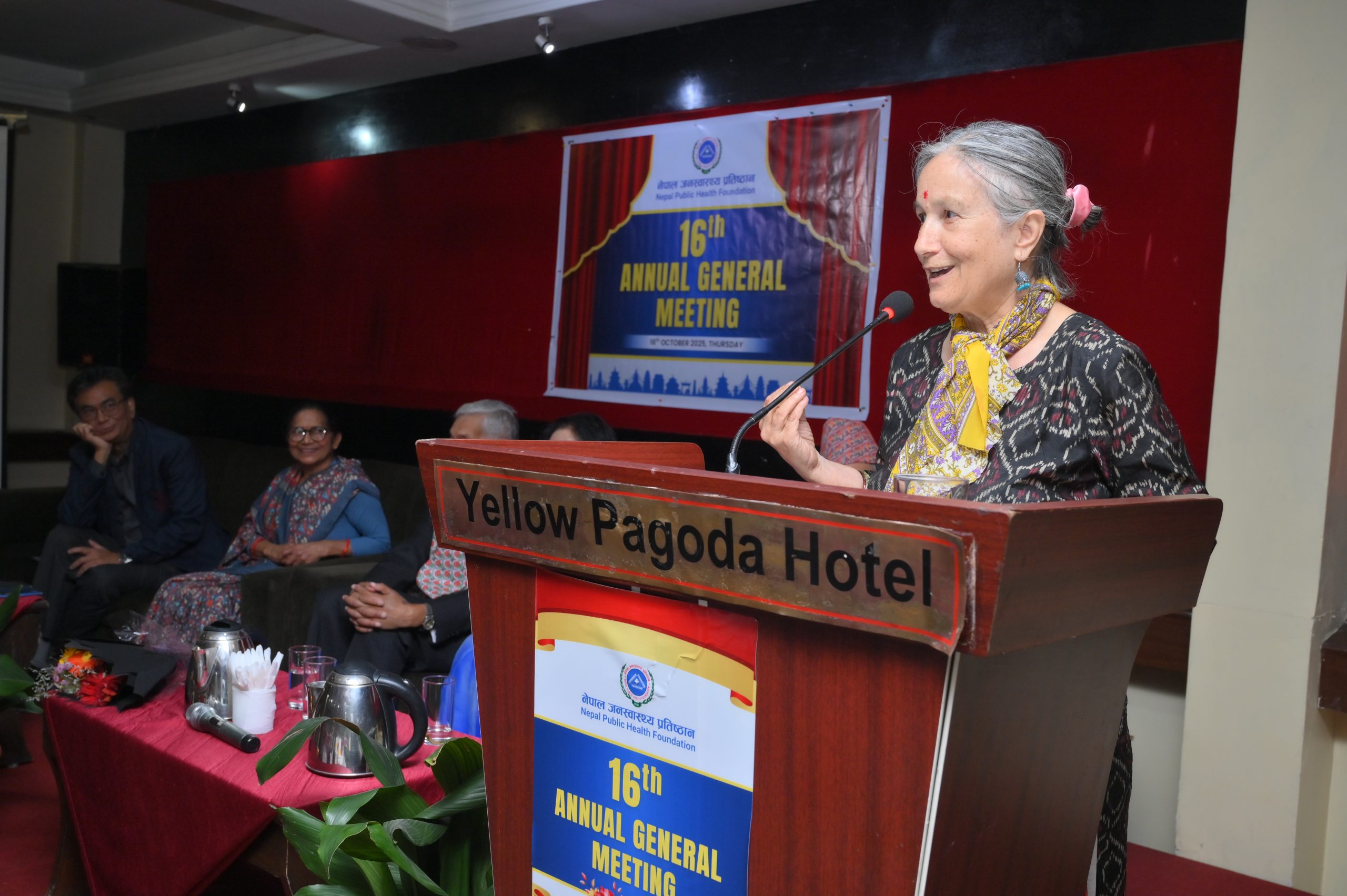
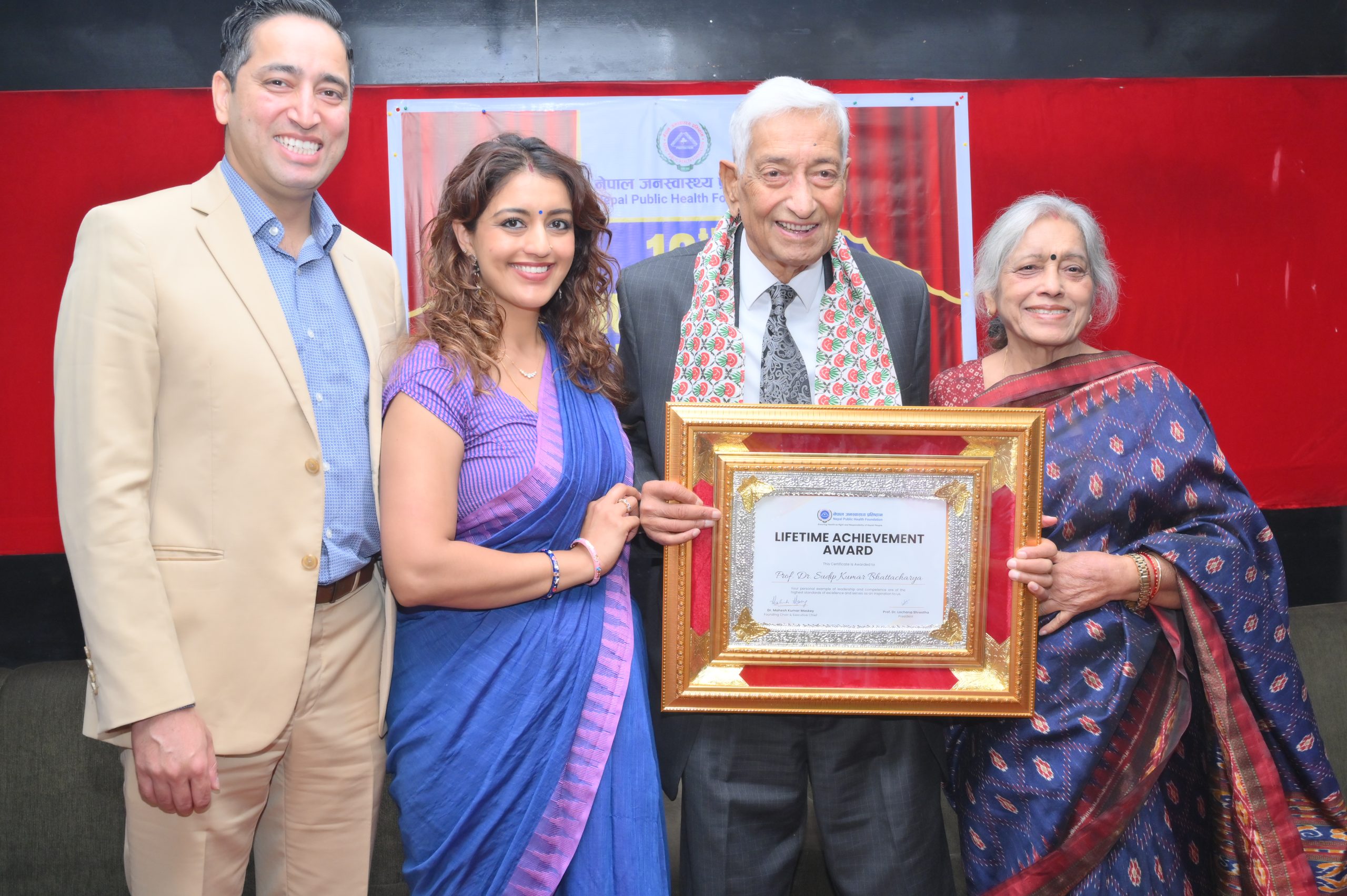
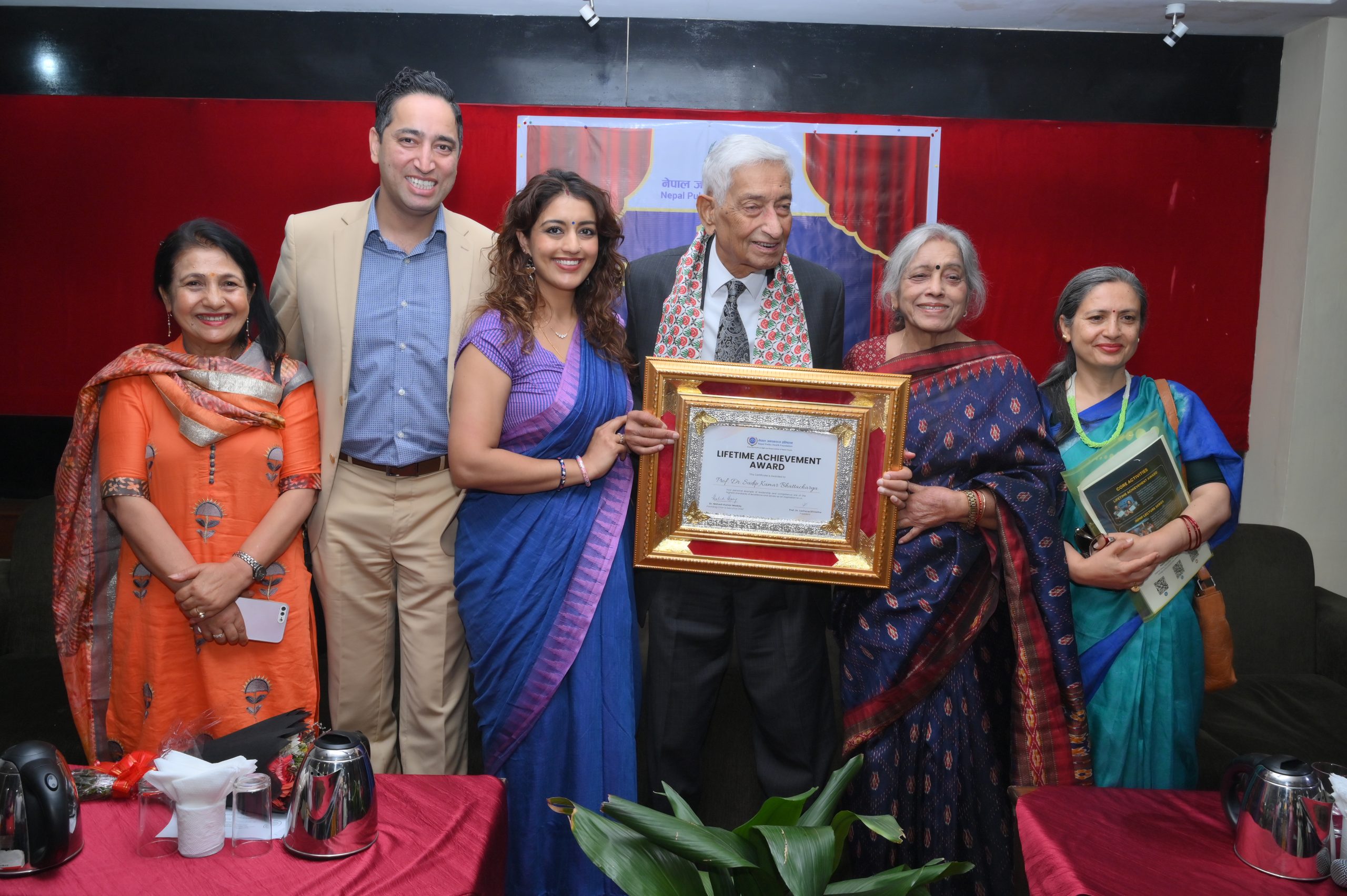
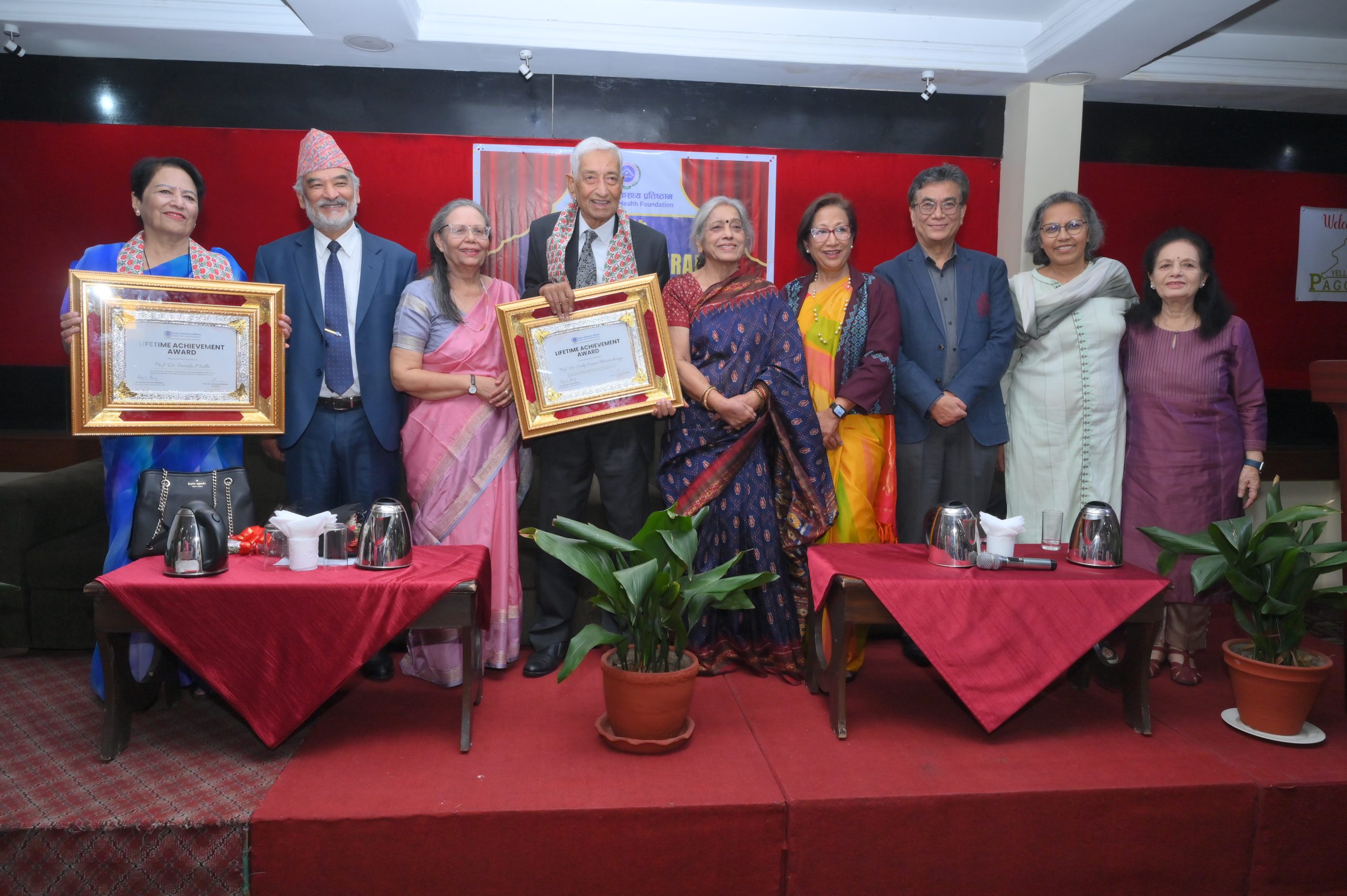
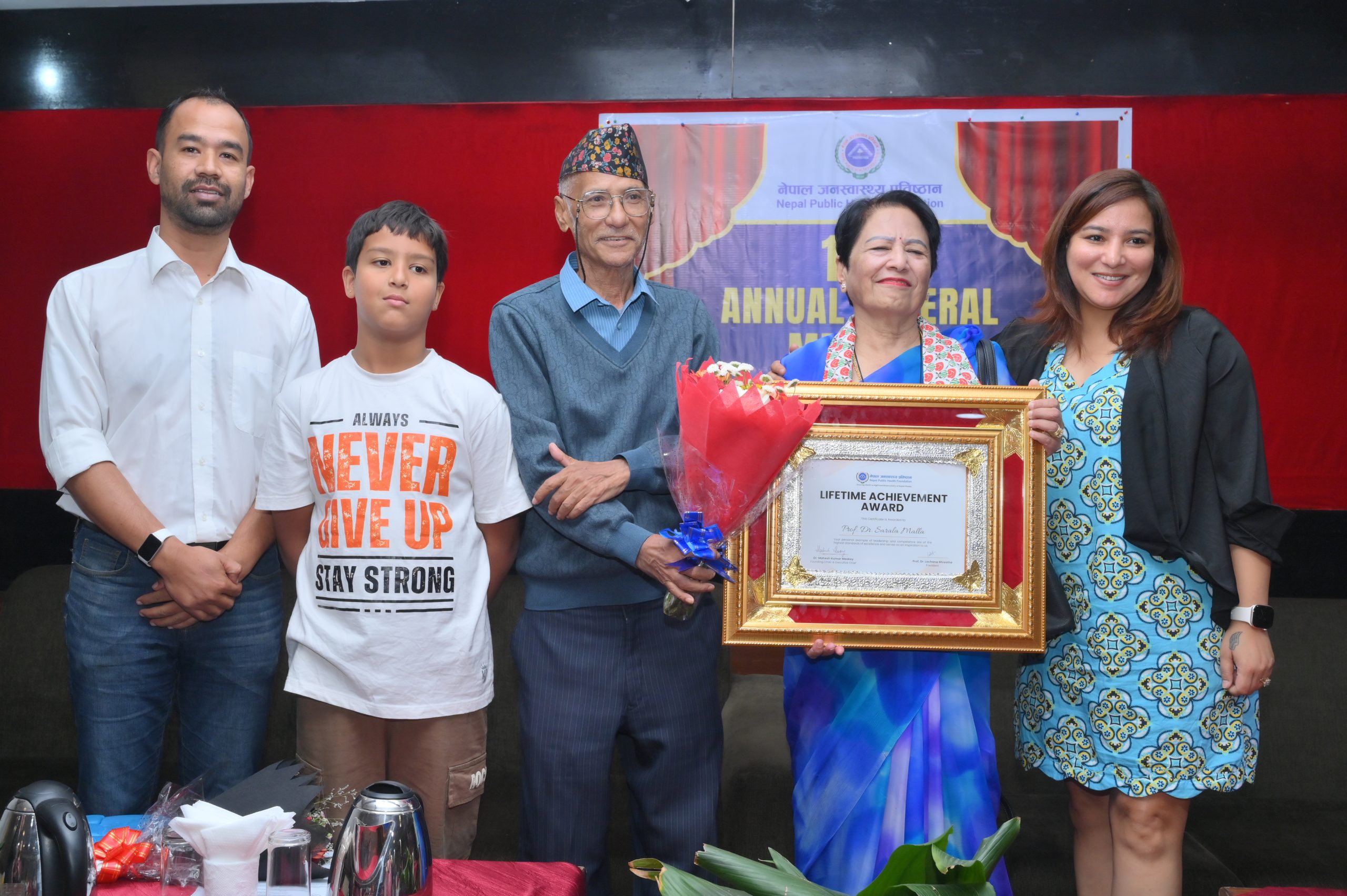
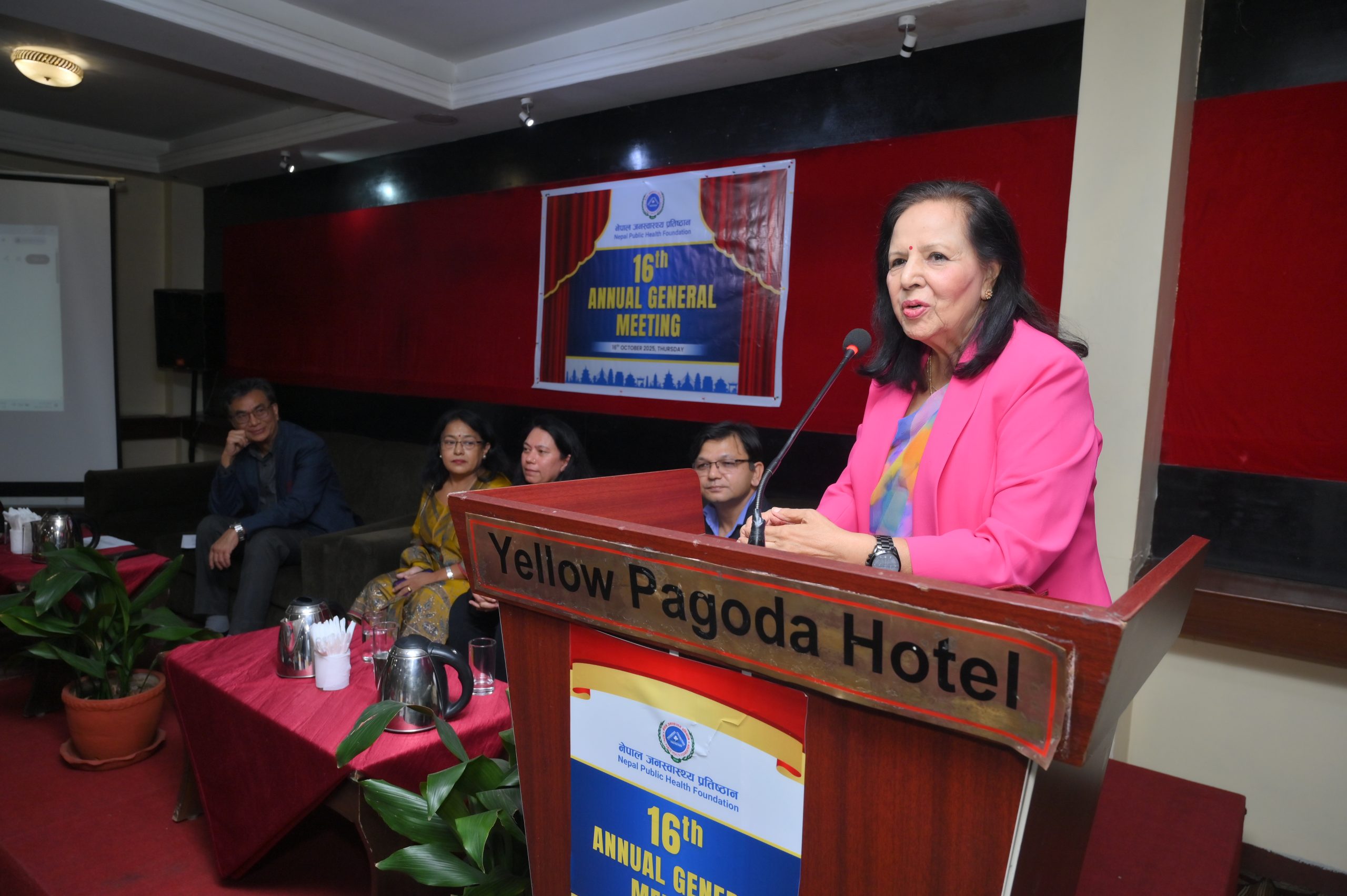
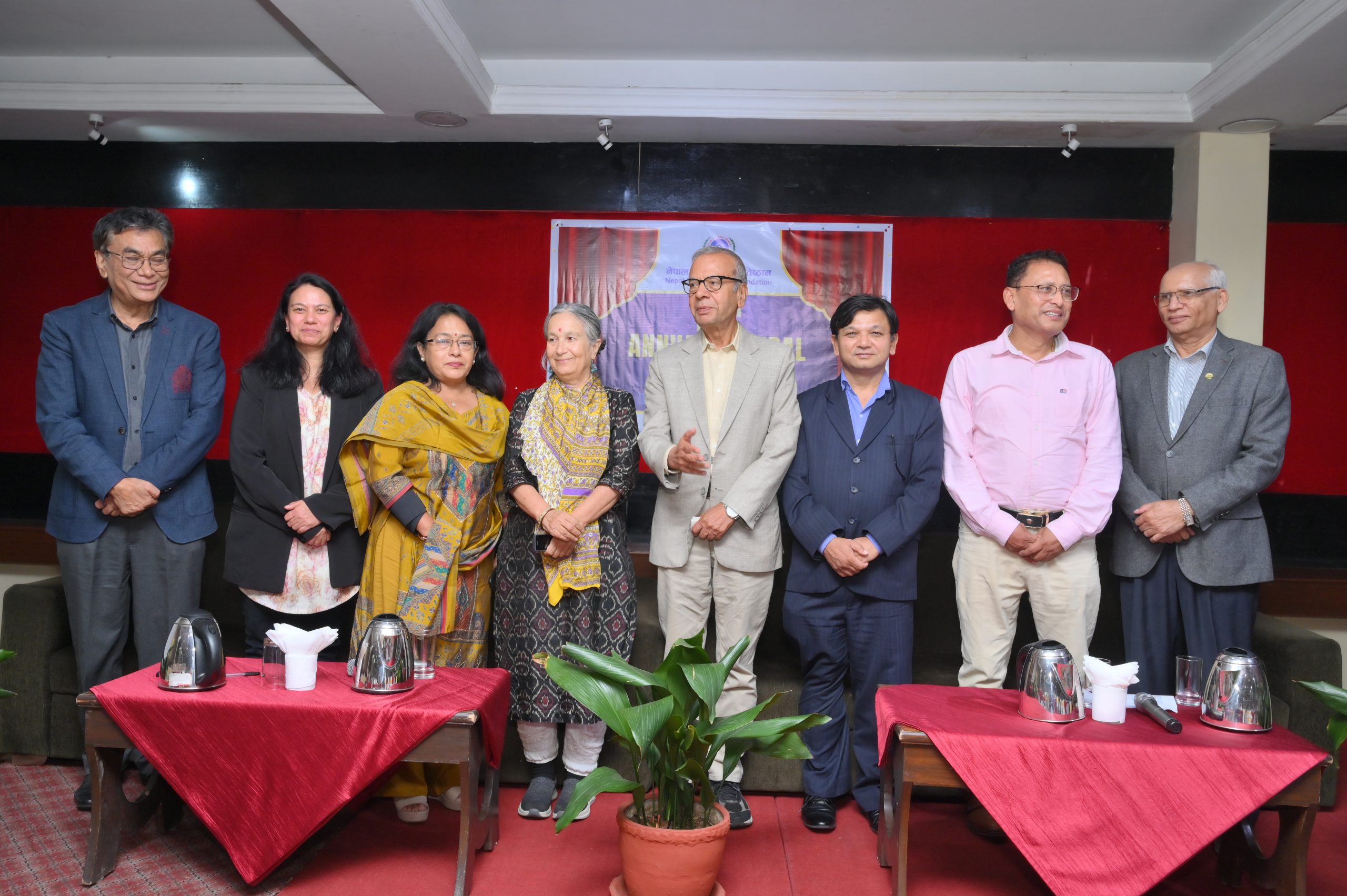
Nepal Public Health Foundation hosted its 16th Annual General Meeting on October 16th,2025 with he esteemed presence of Honorable Ms. Kamala Devi Pant, Committee on Development, Economic Affairs and Good Governance, National Assembly Chairperson, as the Chief Guest. The event was marked by heartfelt moments as Prof. Dr. Sarala Malla, Consultant Pathologist and Former Director General of the Department of Health Services, and Prof Dr. Sudip Kumar Bhattacharya, eminent General Surgeon and Former Chair of Nepal Medical Association, were honored with Lifetime Achievement Awards. Both recipients shared their decades of experience, inspiring all present with their dedication to the nations healthcare sector. 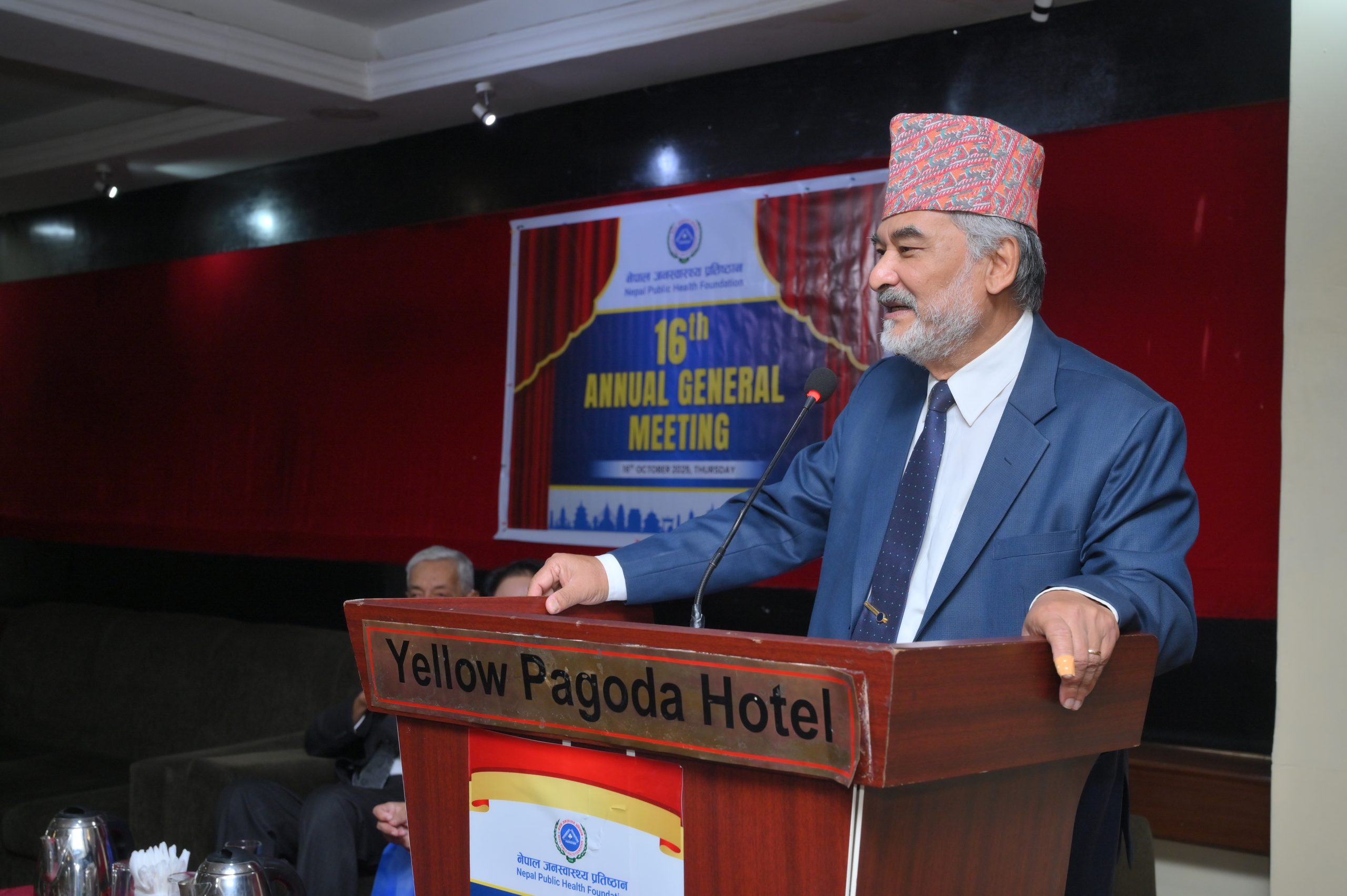

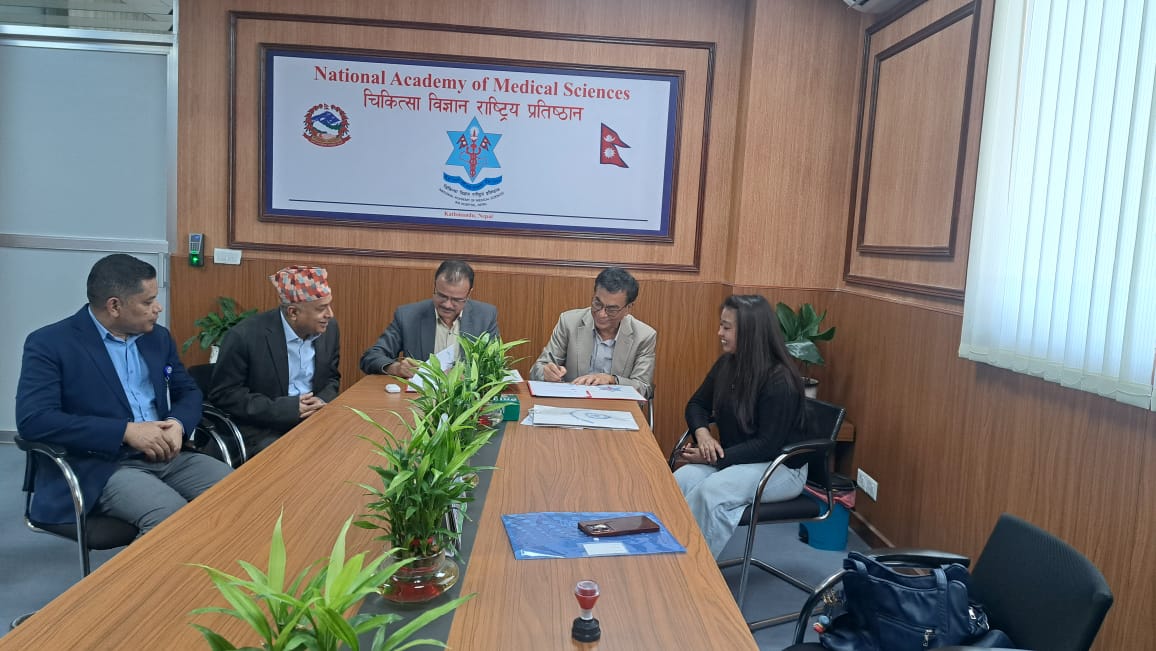
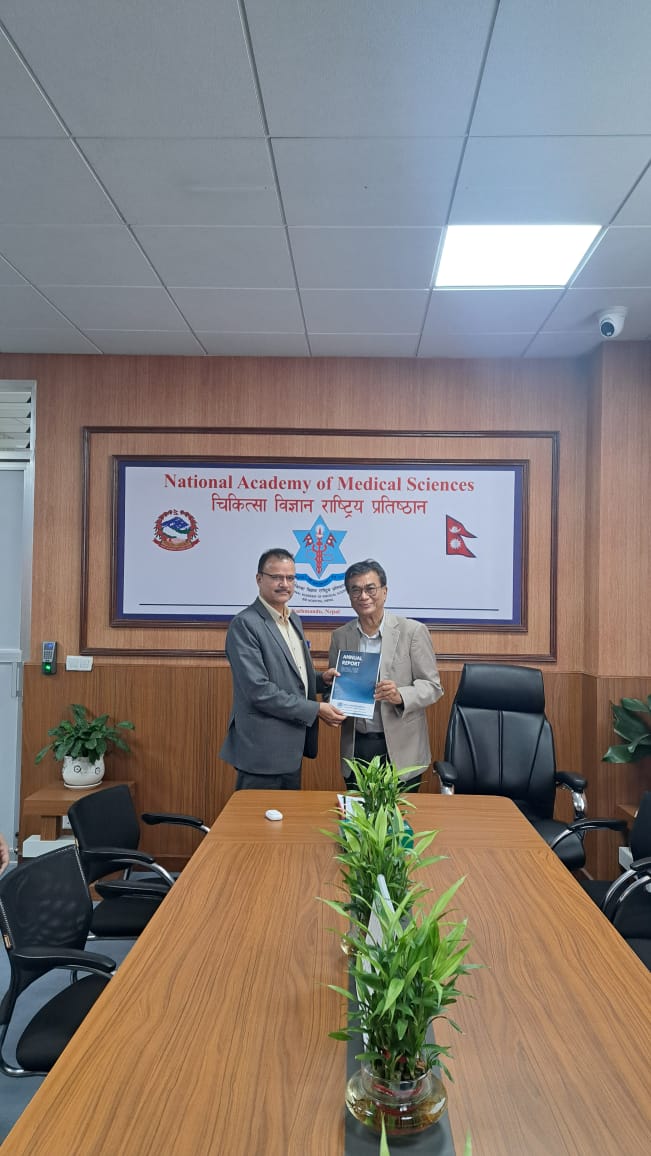
Memorandum of Understanding (MoU) between Nepal Public Health Foundation (NPHF) and National Academy of Medical Sciences (NAMS)
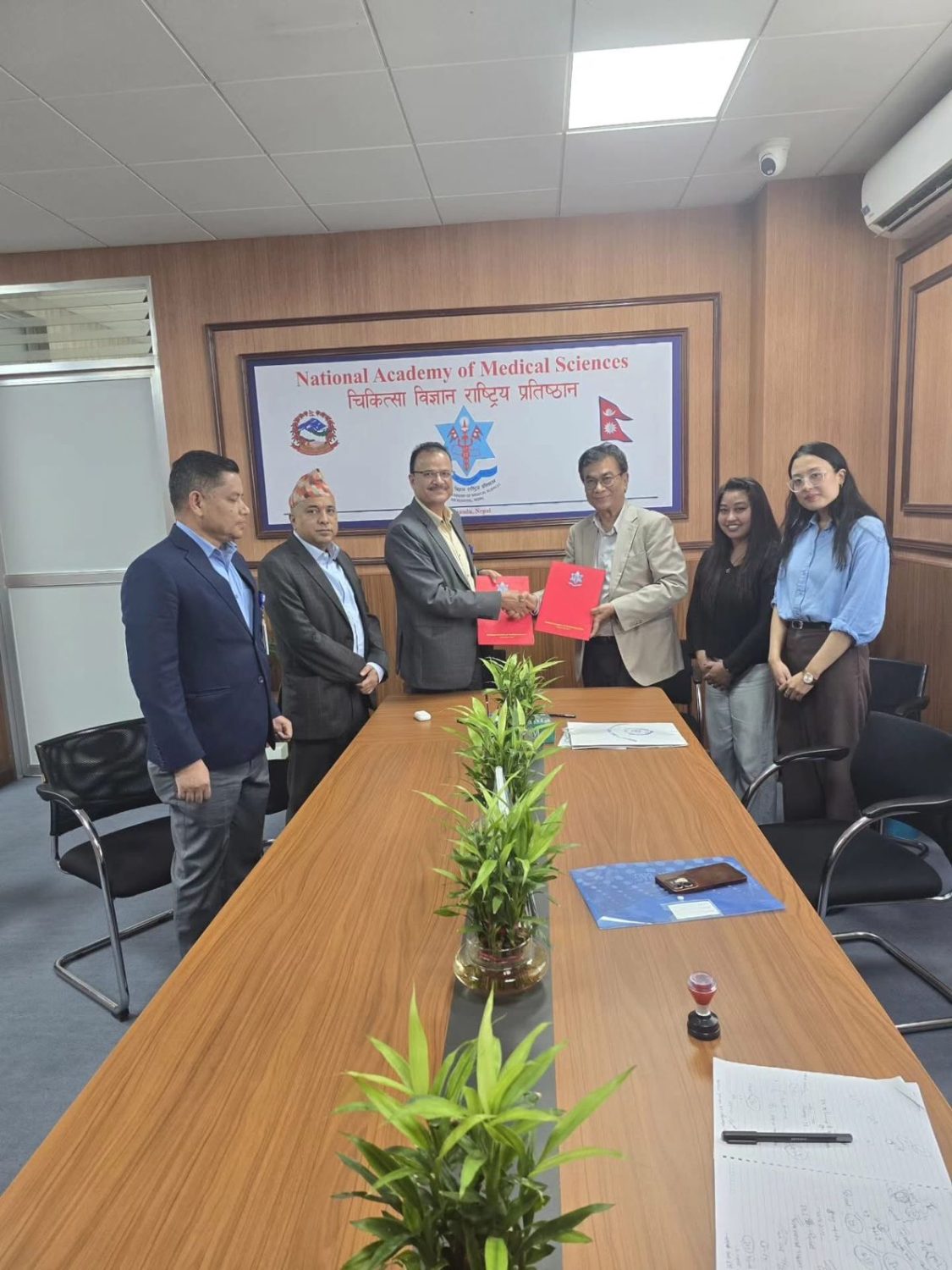
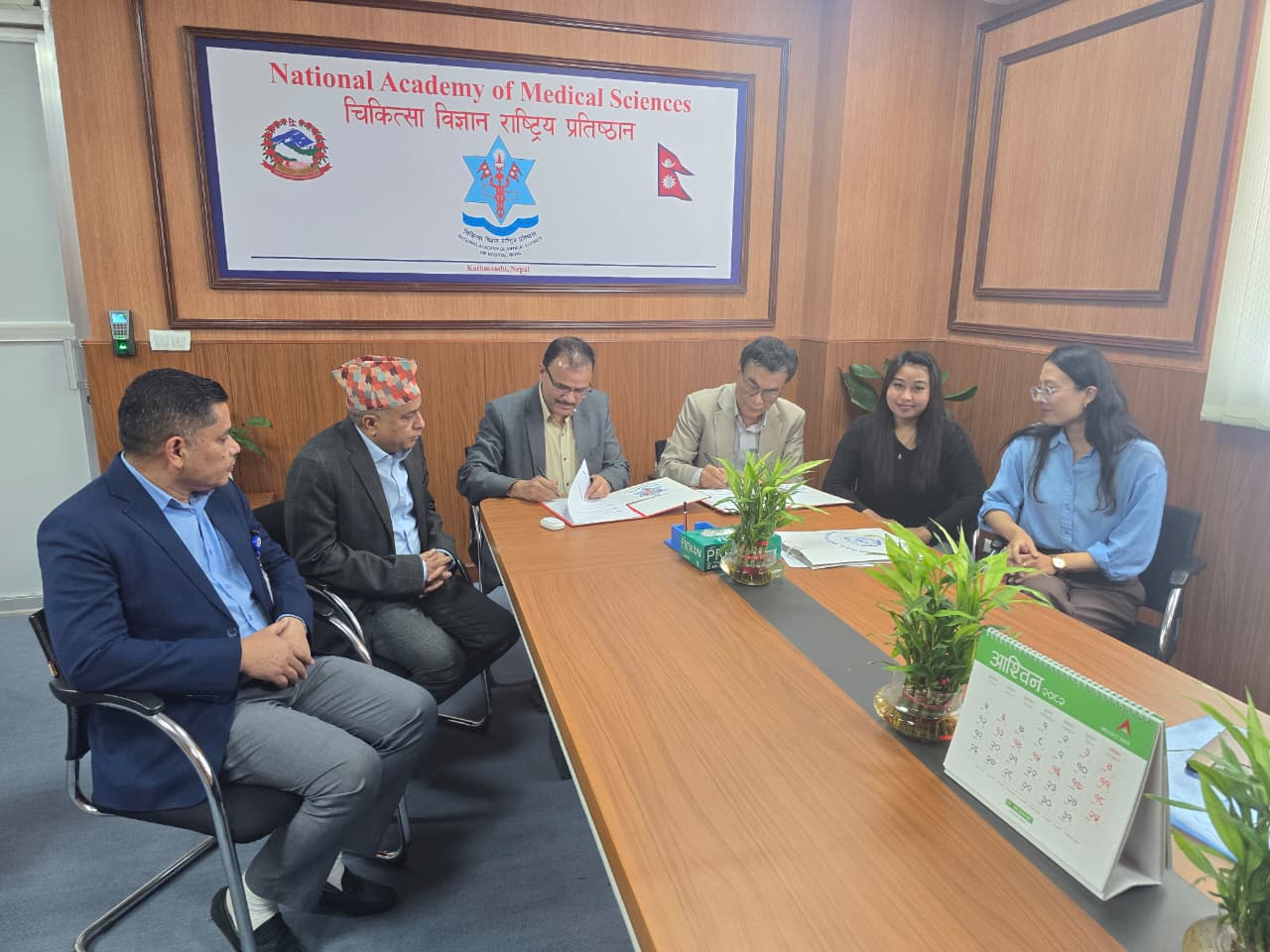
Nepal Public Health Foundation (NPHF) and the National Academy of Medical Sciences ( NAMS) came together for the signing ceremony of a Memorandum of Understanding (MoU), marking a significant milestone in strengthening collaboration in research, training, and policy development for effective public health advancement in Nepal.
The MoU was signed by Dr. Mahesh Kumar Maskey, Executive Chief of NPHF and Prof.Dr Bhupendra Kumar Basnet, Vice-Chancellor of NAMS, representing their respective institutions. The event was graced by Prof. Dr. Lochan Karki, Rector, and Dr. Gyanendra Shah, Registrar from NAMS, along with Ms. Rijana Maharjan and Ms. Deepesha Silpakar, Project Coordinators from NPHF. This collaboration reflects a shared commitment to foster evidence-based research, enhance institutional capacity and contribute collectively to the improvement of public health policies and practices in Nepal 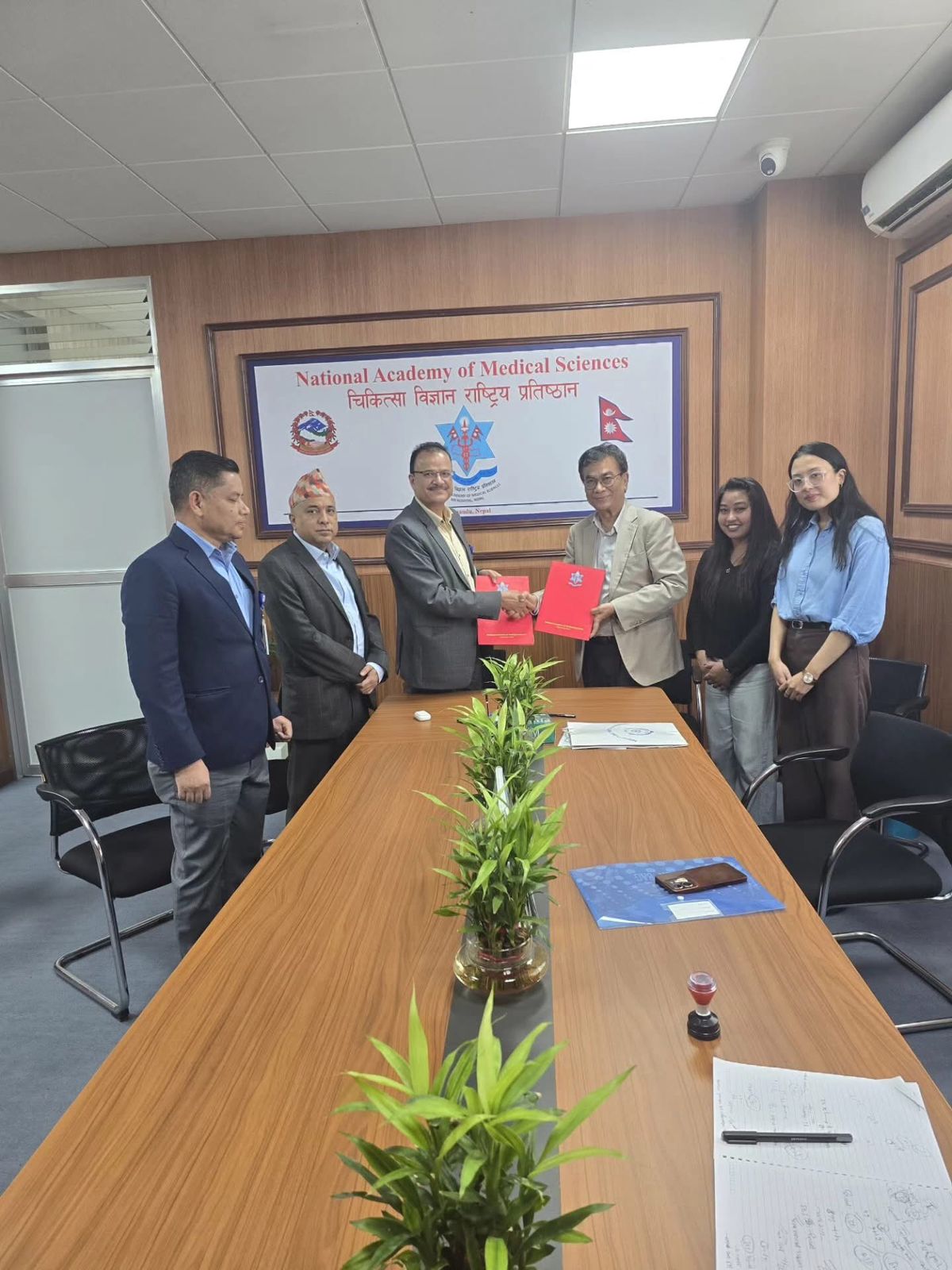
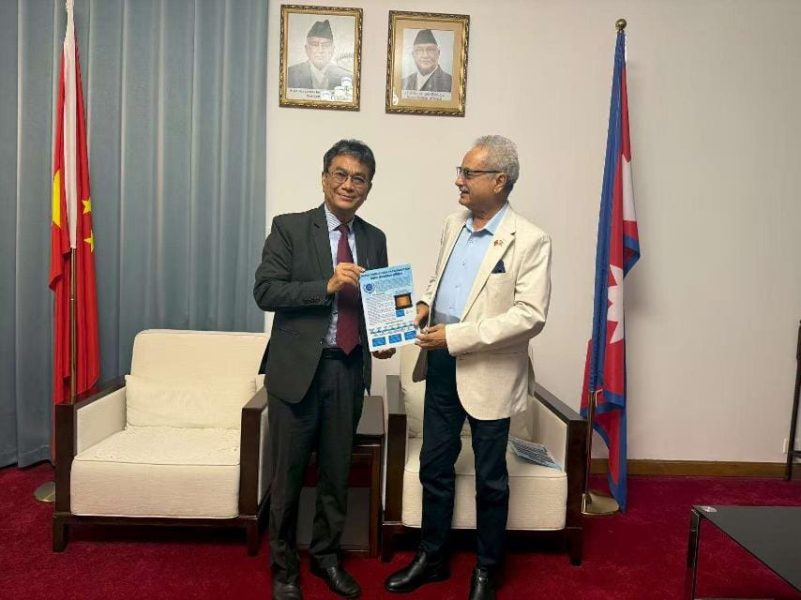
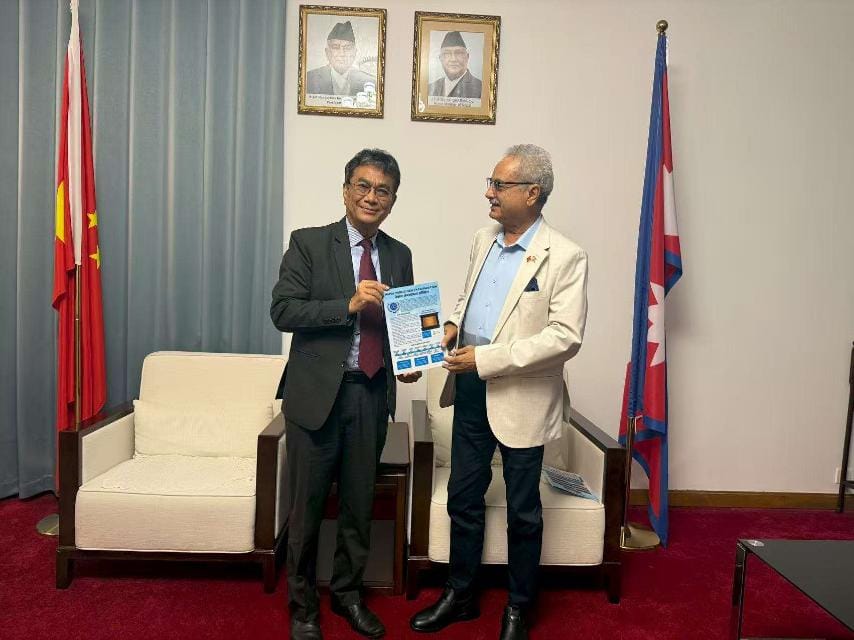
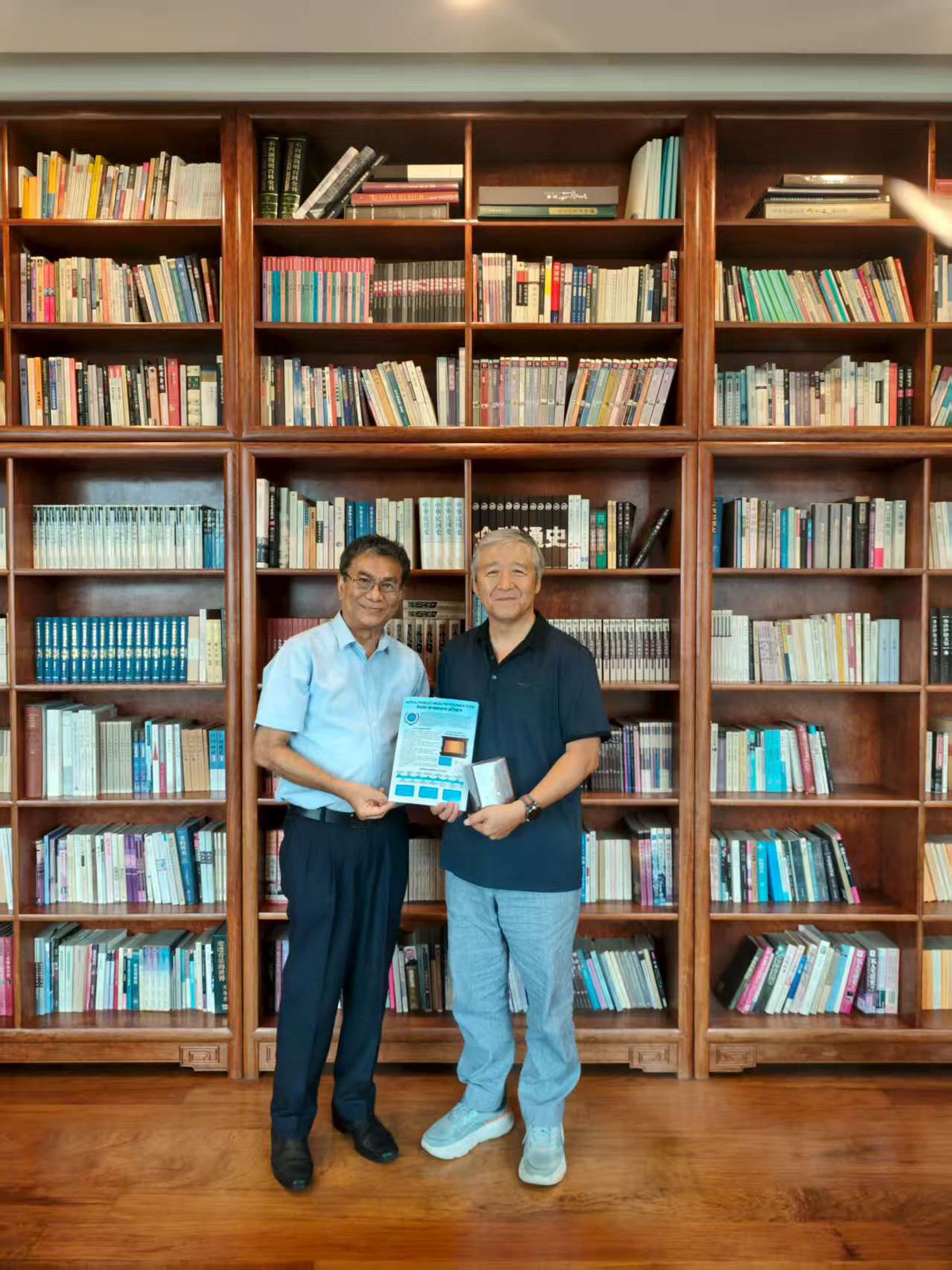
Dr. Mahesh Kumar Maskey visit to China

Workshop on “Prioritization and Solution Mapping for Research Priorities in Relation to Health Related SDGs in Nepal”
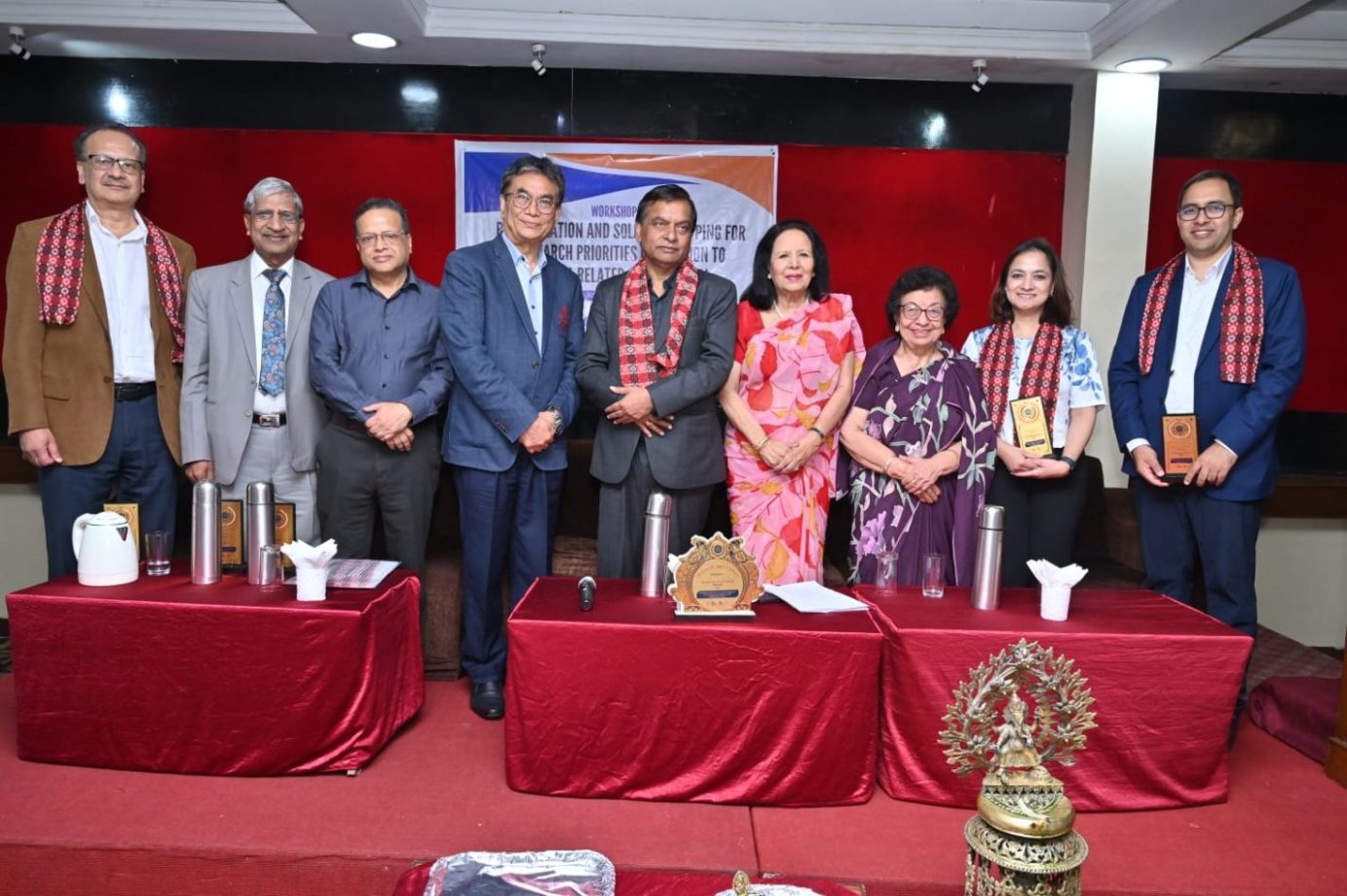
“On June 30,2025 NPHF, as the proud host of the TGHN‑Nepal Centre, convened a powerhouse workshop on “Prioritization and Solution Mapping for Research Priorities in Relation to Health Related SDGs in Nepal” guided by The Global Health Network’s global platform and NPHF’s deep roots in local public health, we brought together expert panelists across thematic areas environment & health, maternal health, mental health, NCDs, infectious diseases, and pharmacovigilance to chart the next frontiers of evidence‑driven action.
Each panelist shared insights on research gaps, local innovations, and pathways to align with Nepal’s SDG goals fueling a collaborative vision for stronger institutions, smarter policies, and healthier communities. Together, we reaffirmed our commitment to uplift and motivate researchers in their mission to transform health for all Nepalis.”
Nepal Public Health Foundation 16th Lecture Series
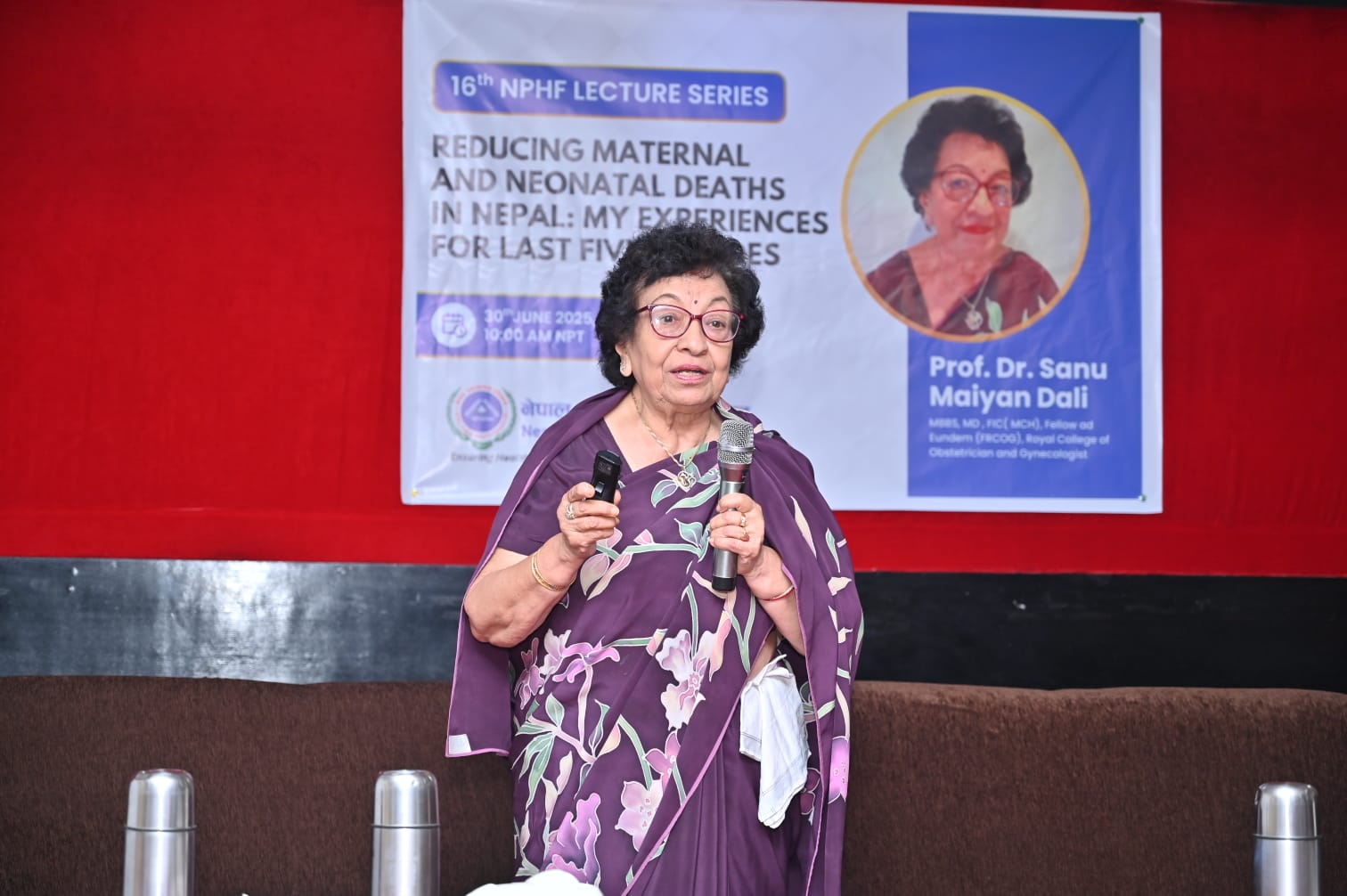
Some journeys are measured not in miles but in lives touched, voices amplified, and silent struggles transformed into hope.
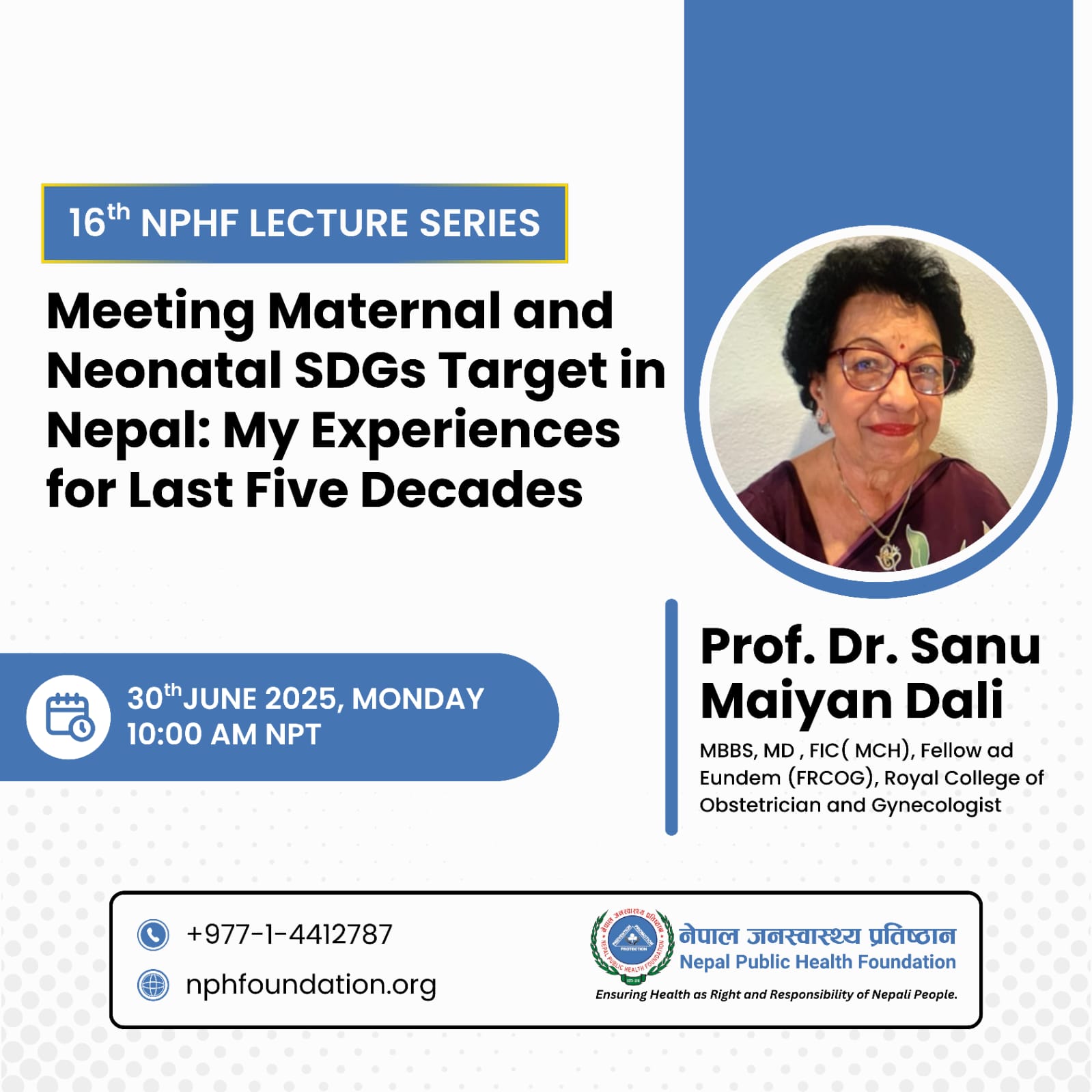
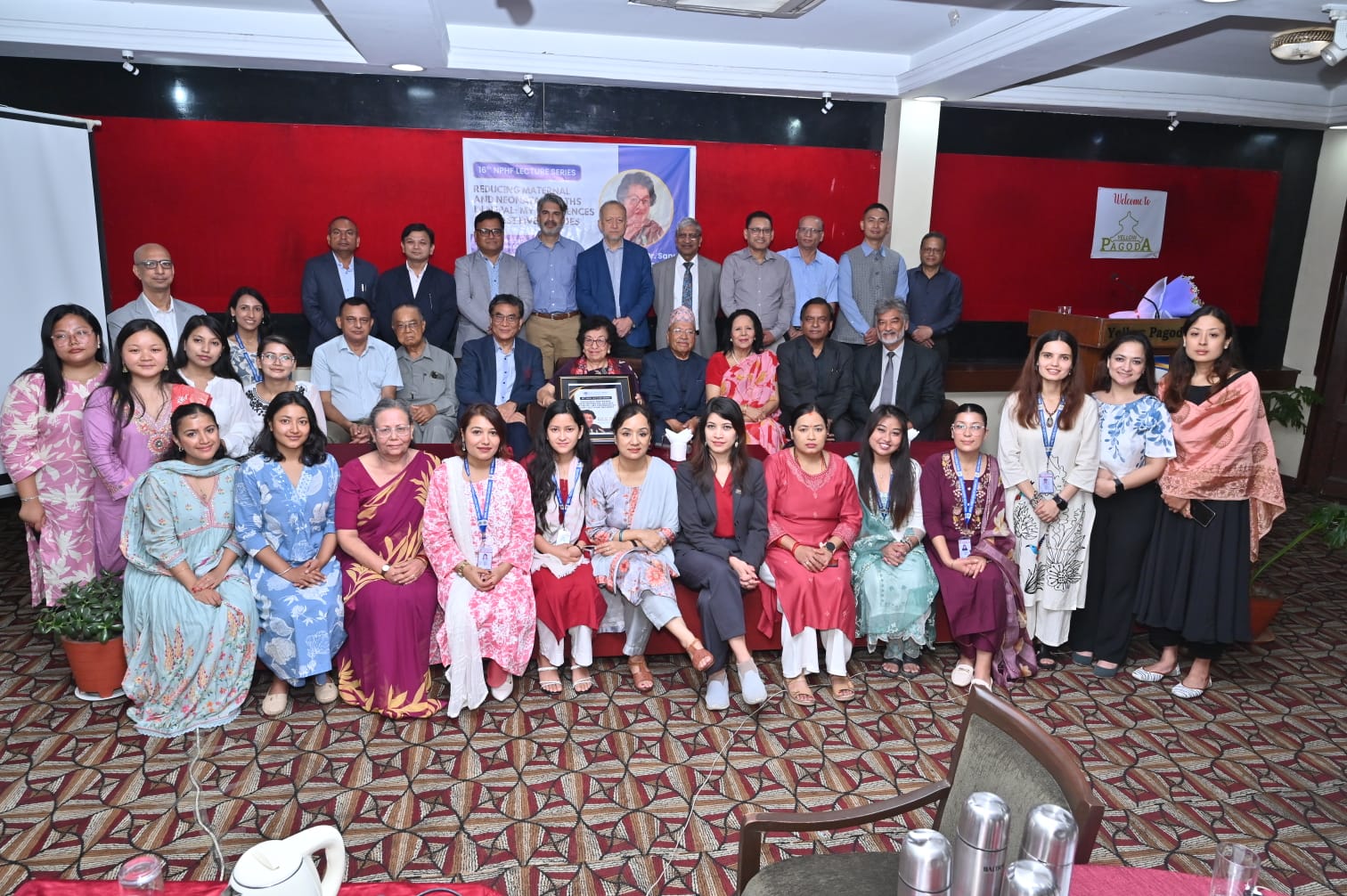
On June 30th, Nepal Public Health Foundation had the privilege of hosting its 16th Public Health Lecture Series a gathering not just of professionals, but of hearts that beat for the wellbeing of mothers and newborns across Nepal.
The evening was graced by a remarkable dignitary “Prof. Dr. Sanu Maiyan Dali” whose life story itself is a testimony to unwavering dedication, quiet resilience, and an unshaken belief that every mother deserves safety, every newborn deserves a chance at life.
For over five decades, her footsteps have echoed through the villages, hospitals, policies, and communities of this country carrying both the weight of challenges and the light of progress. Her memories, struggles, and achievements are not hers alone they belong to every mother saved, every child embraced, every family kept whole.
As she shared her experiences, we were reminded that change does not happen overnight it happens through tireless work, through embracing hardships, through holding on to compassion when the world looks away.
It was not just a lecture it was a moment of reflection, pride, and gratitude.
A moment for NPHF to stand tall proud of its own commitment to reducing maternal and neonatal mortality, proud to be part of Nepal’s journey towards the Sustainable Development Goals, and proud to honour those who have given their life to this noble cause.
Dissemination Program on The Value of Vaccines to Mitigate Anti Microbial Resistance-GARP Report Policy Brief
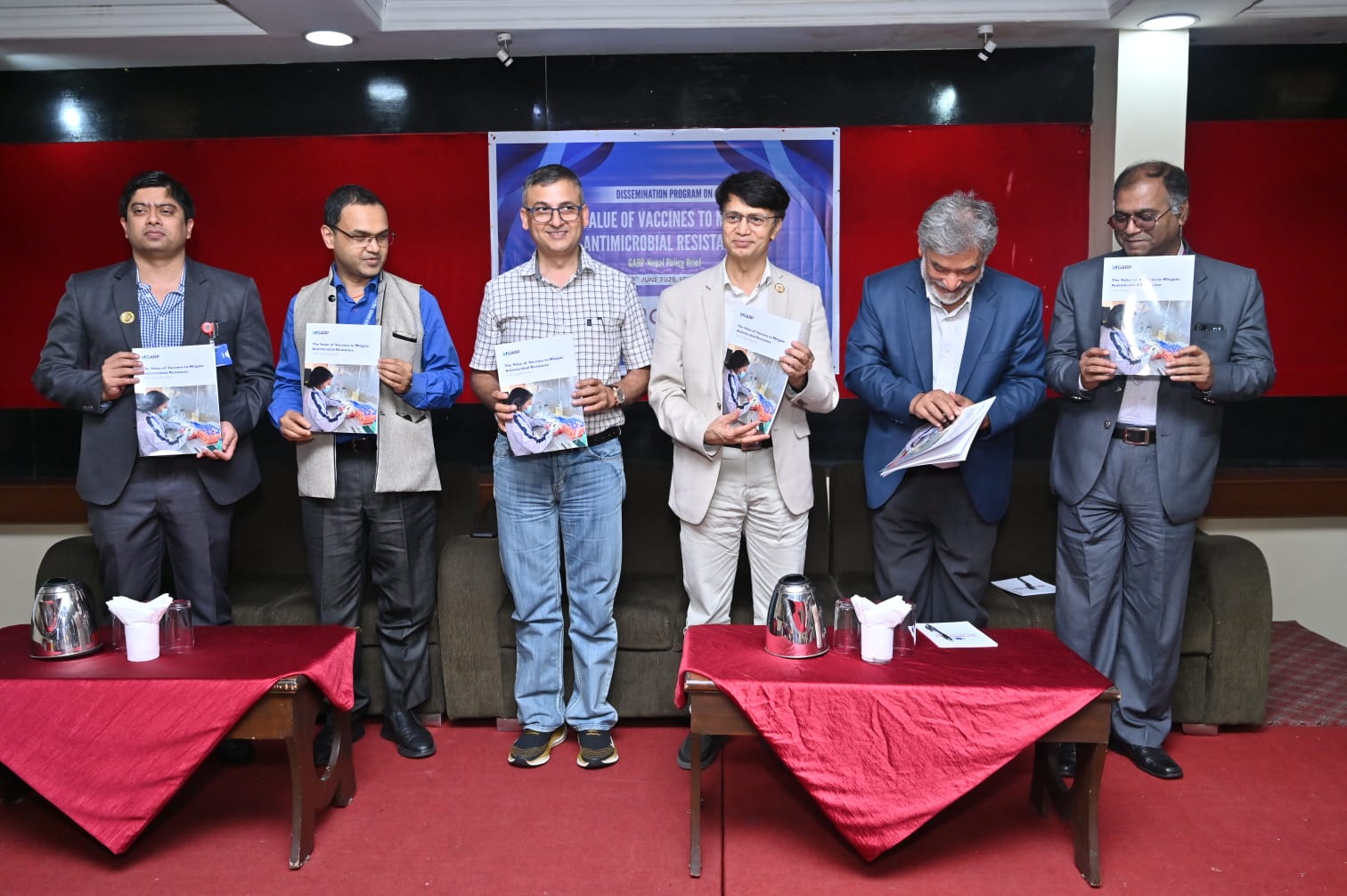
June 20, 2025 in Kathmandu was a milestone where government dignitaries, experts and advocates united to launch GARP‑Nepal’s policy brief on vaccines as a shield against AMR. Nepal Public Health Foundation is honored to be a part of this collective effort to tackle antimicrobial resistance. We stand committed to supporting evidence-based solutions like vaccines to safeguard the health of our communities.
New GARP policy brief emphasizes vaccine use to fight antimicrobial resistance in Nepal which is
launched by Global Antibiotic Resistance Partnership (GARP) underscores the vital role of vaccines in combating the growing threat of Antimicrobial Resistance (AMR) in Nepal. The document was released by the GARP Nepal in collaboration with the Nepal Public Health Foundation (NPHF) and The One Health Trust.
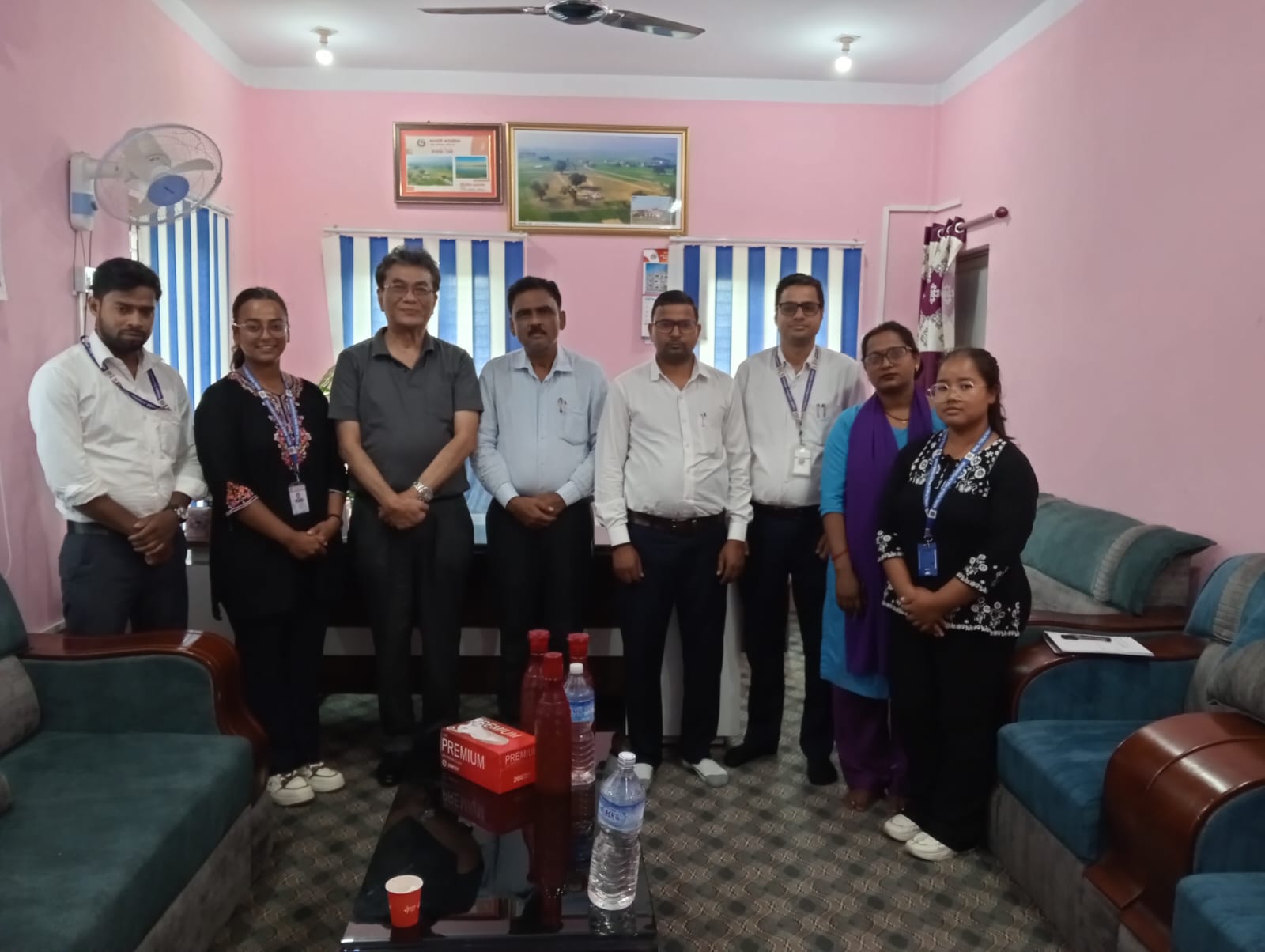
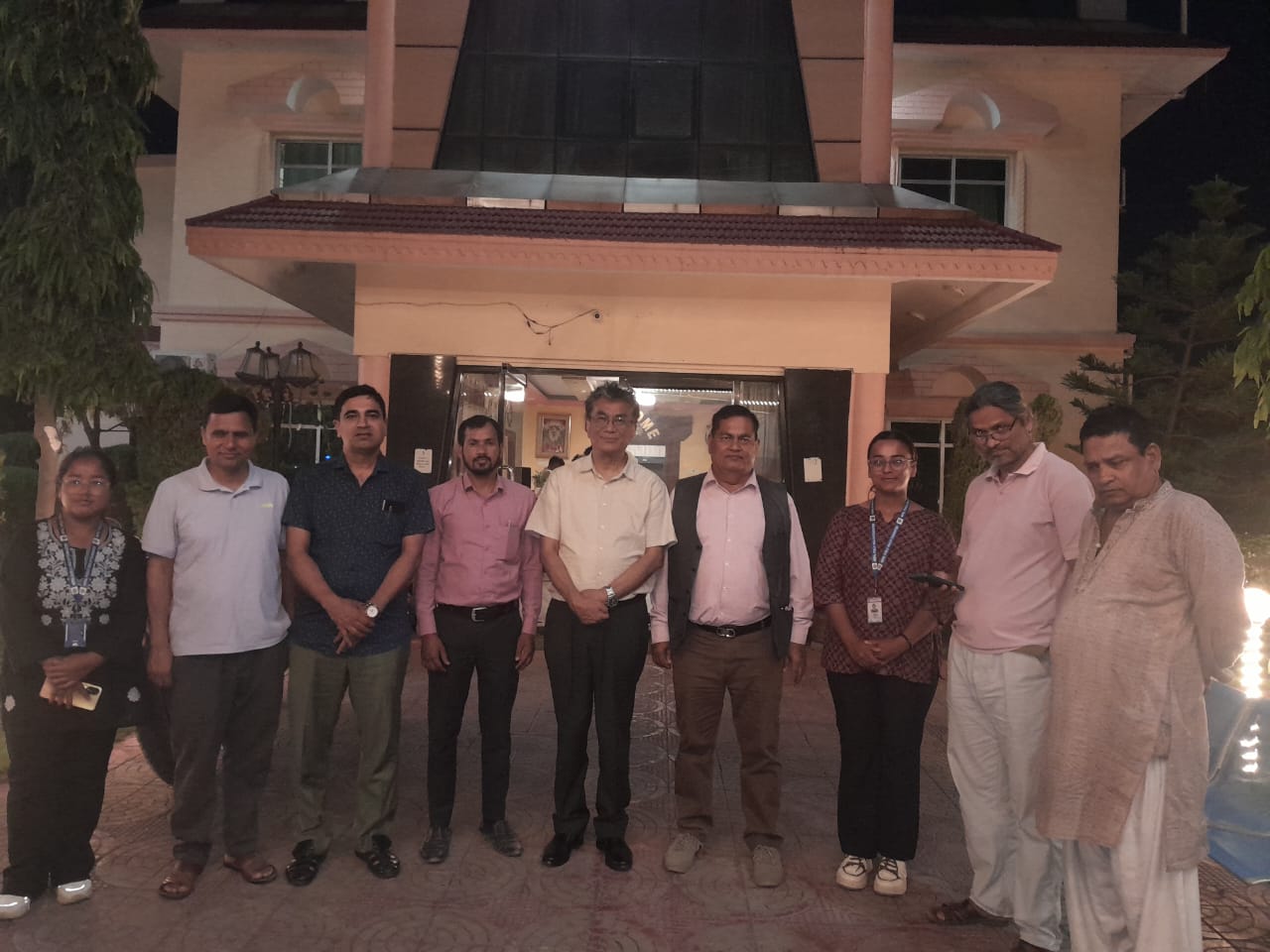
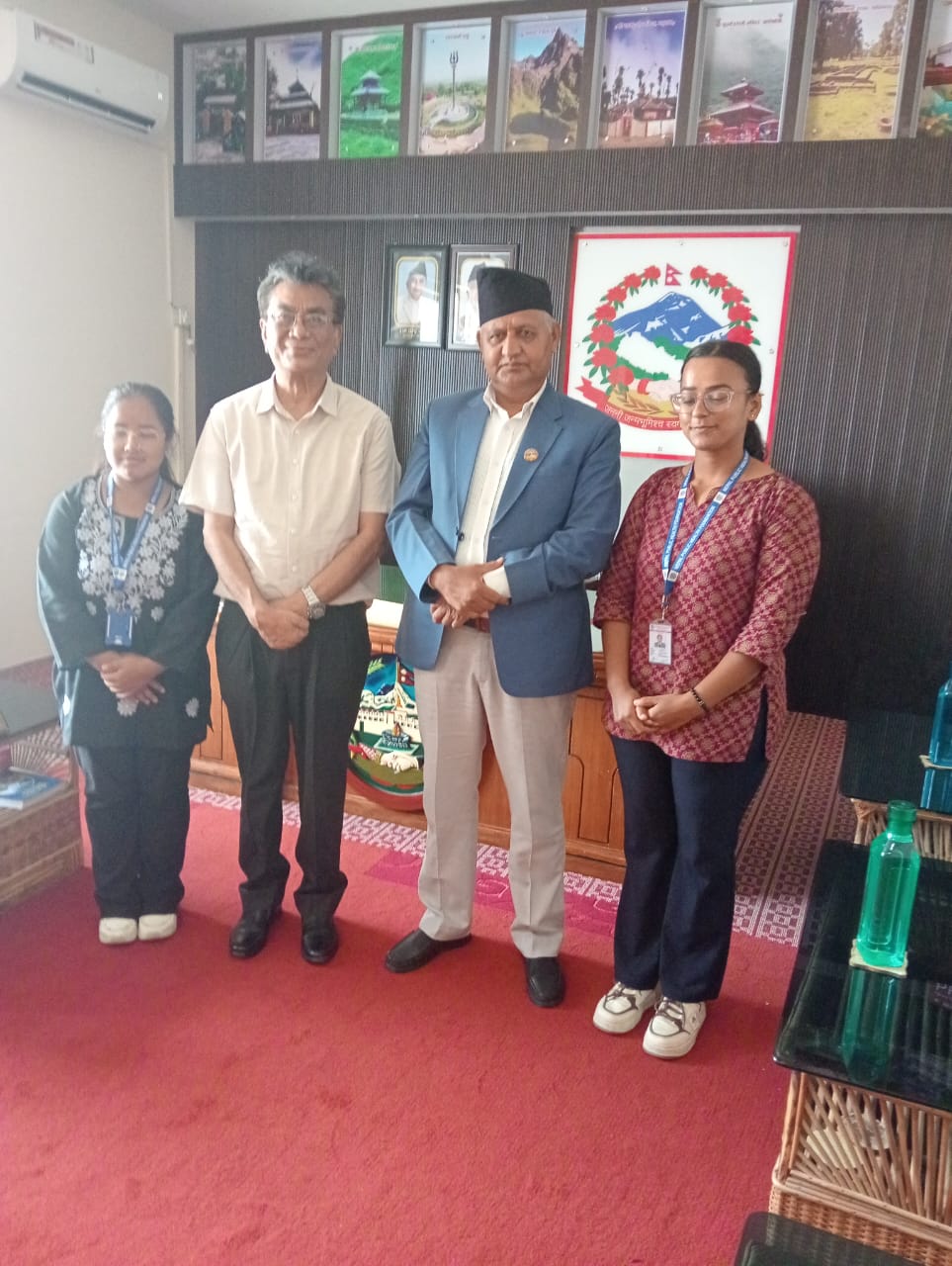
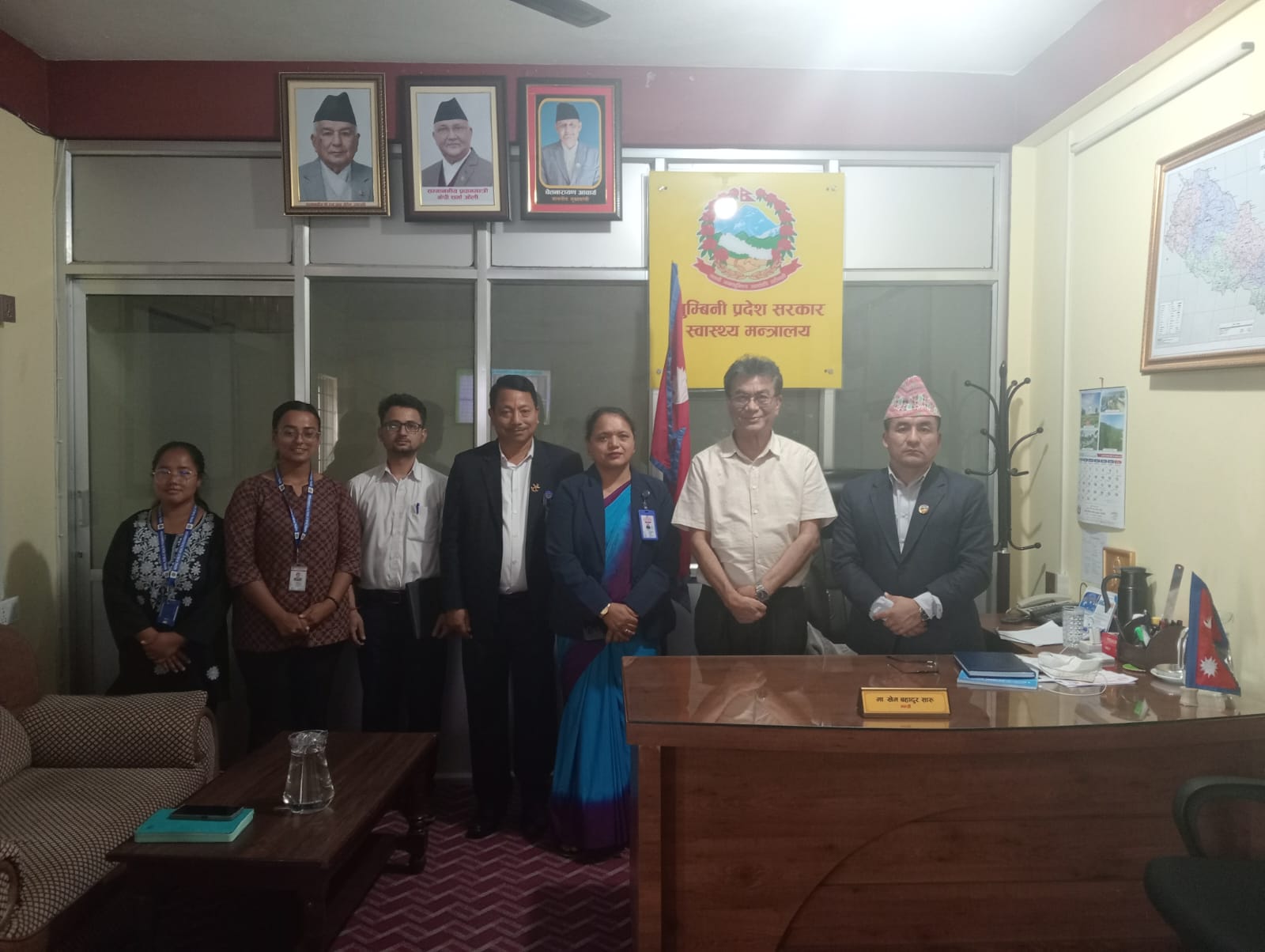
Dr.Maskeys recent visit to Kapilvastu regarding the progress and findings of MNMR project
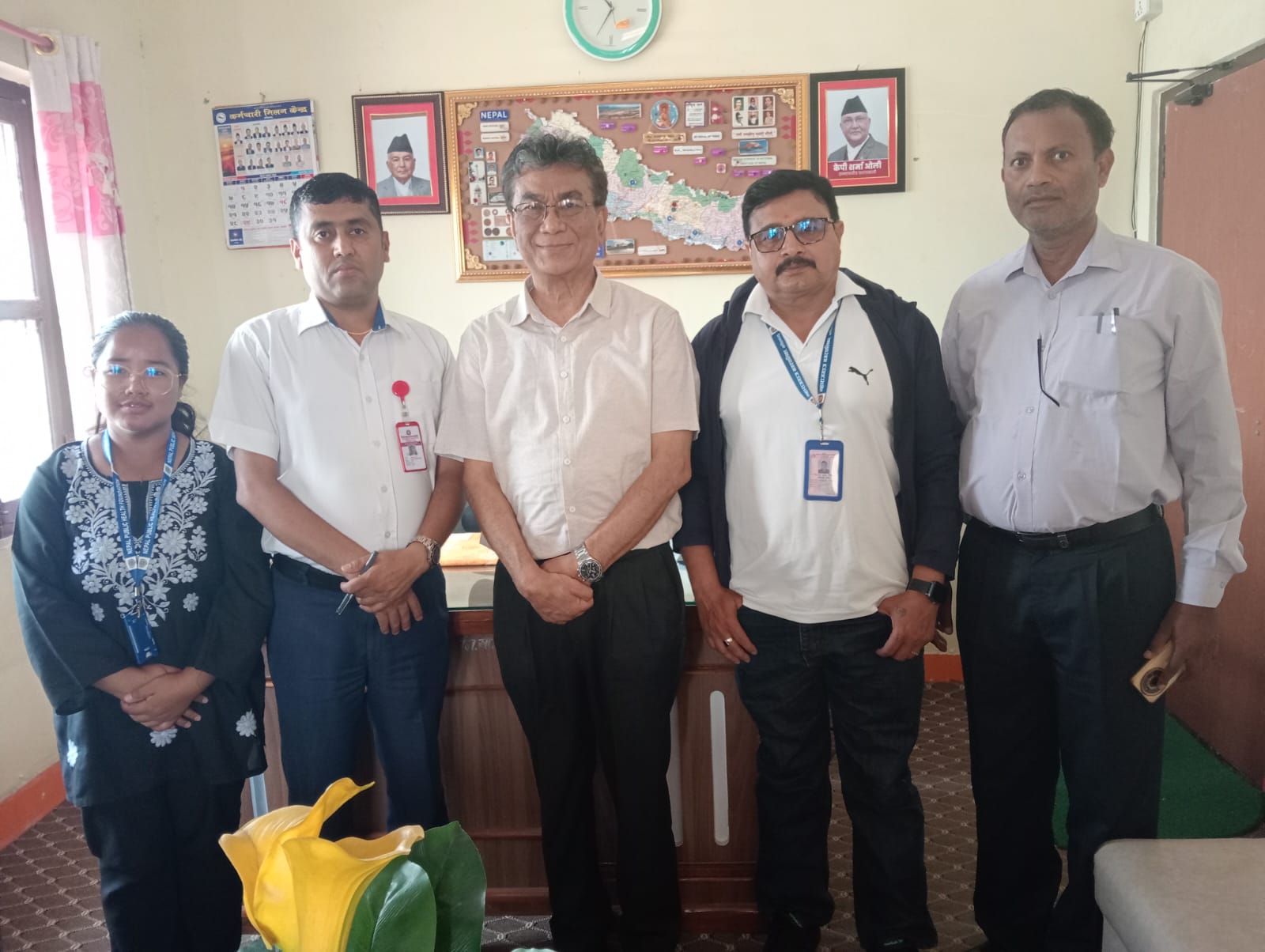
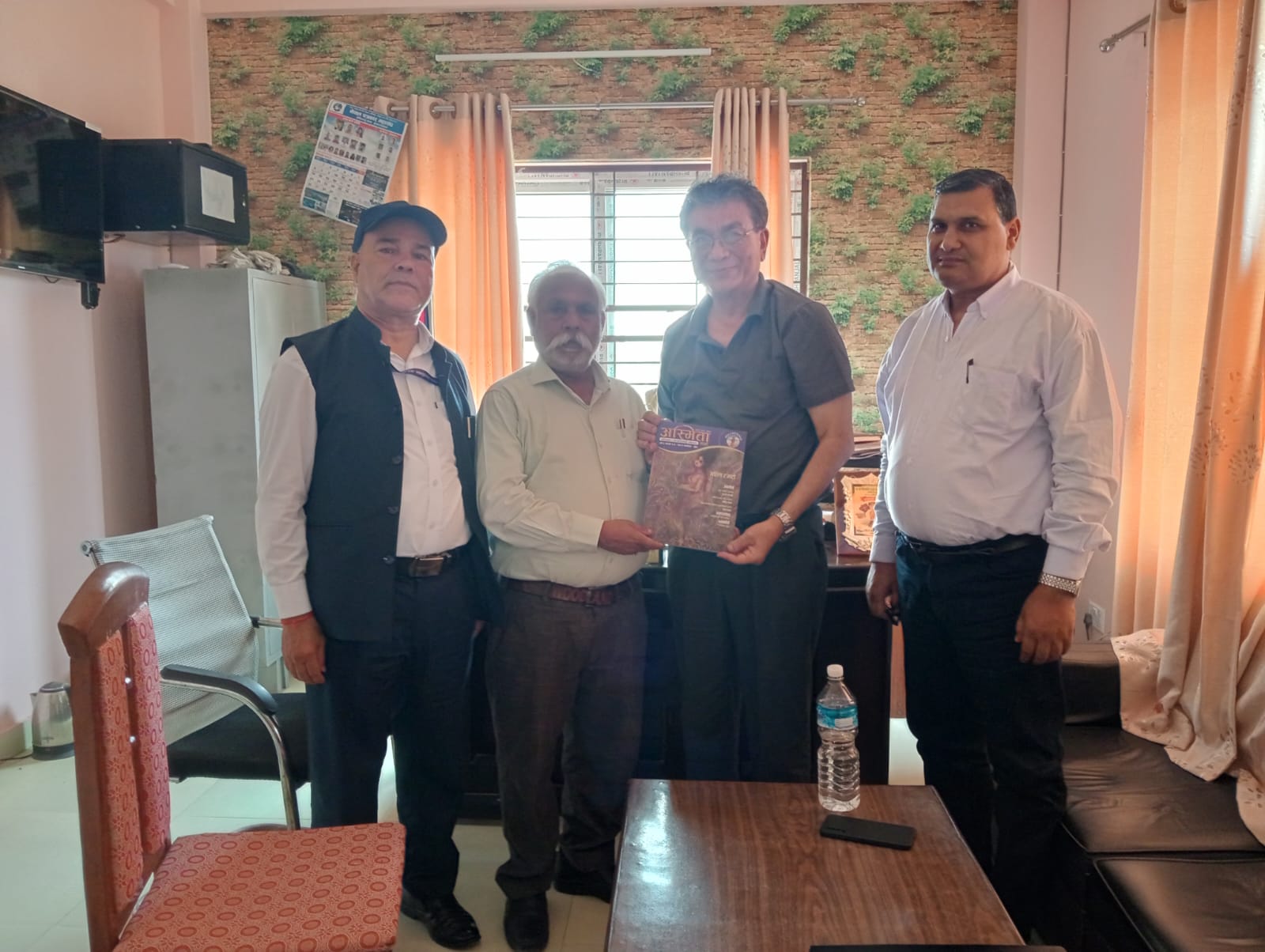
Dr. Maskey visited Kapilvastu from Baishakh 28 to Jestha 1 as part of an ongoing project aimed at reducing Maternal Mortality Ratio (MMR) and Neonatal Mortality Rate (NMR) in the district.During the visit, Dr. Maskey presented the findings and progress achieved till date under the project titled: “Reducing MMR and NMR in an Eco-Ethnographically Diverse District: Kapilvastu, through a Community-Engaged, Digitalized, Comprehensive Continuum of Care.”The presentation was conducted in close coordination with municipal representatives and provincial stakeholders, reflecting the collaborative and community-centered approach of the project.
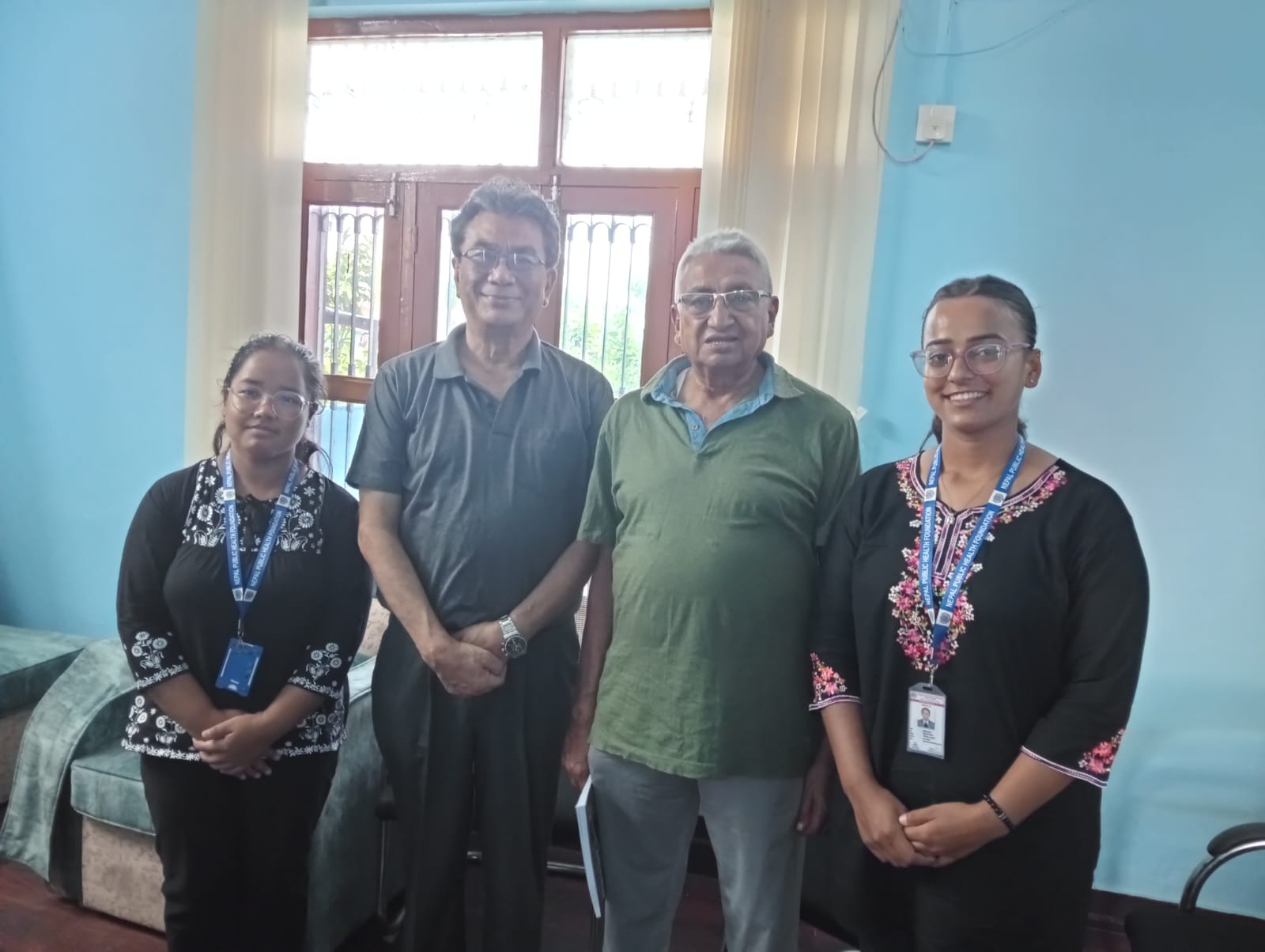
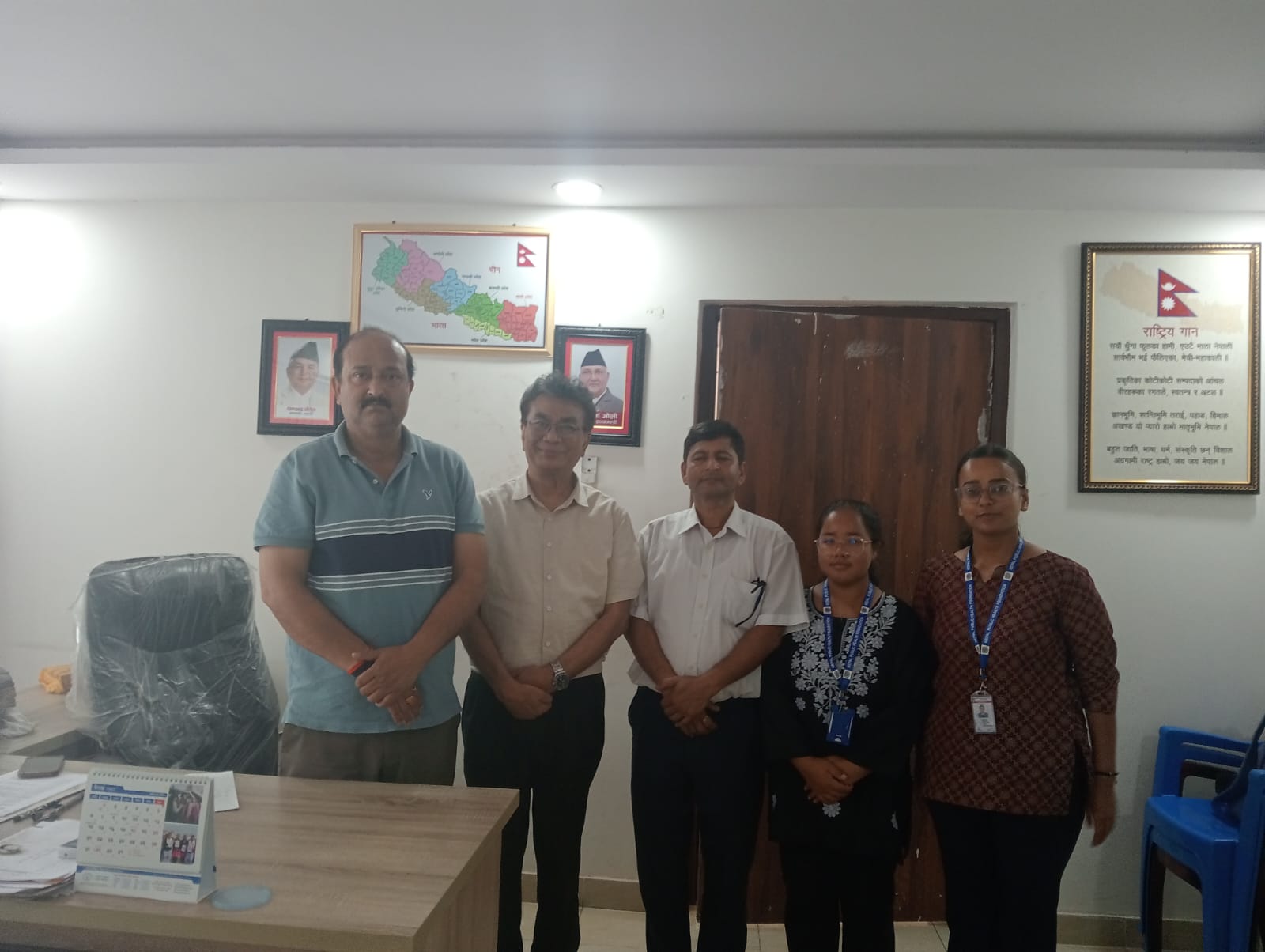
Discussion with WHO, presenting efforts towards “Reducing maternal and neonatal mortality”
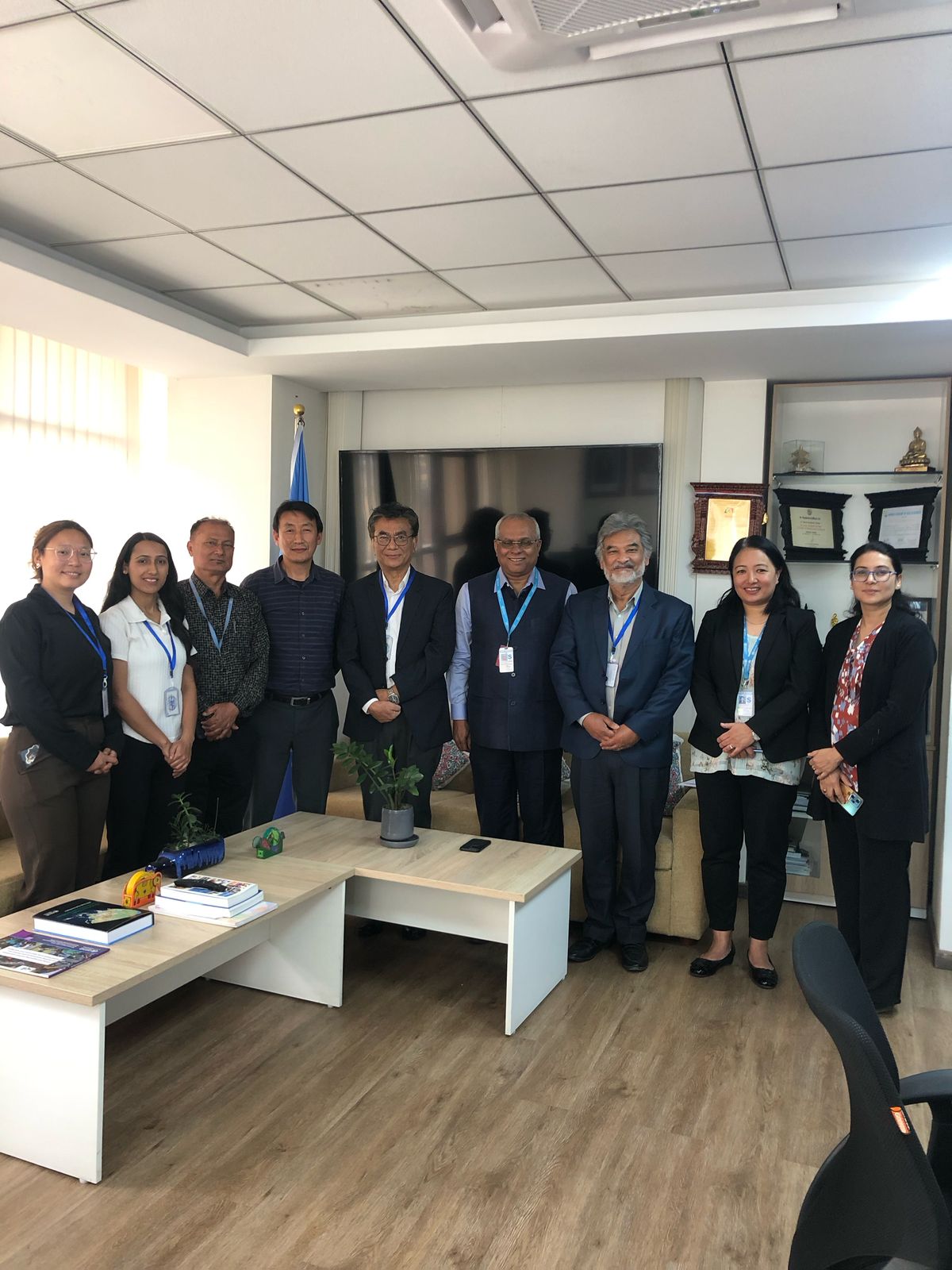
A meaningful exchange with the World Health Organization today, as the Nepal Public Health Foundation (NPHF) presented its efforts to reduce maternal and neonatal mortality through grassroots innovation and collaboration.
In our ongoing project in Kapilvastu, we are tracking pregnant women in close partnership with municipalities, wards, health facilities, and Female Community Health Volunteers (FCHVs)—who are key to reaching every mother. By integrating local systems and strengthening referral linkages, we aim to create real, measurable change in MMR and NMR.
NPHF shared the strengths, challenges, and opportunities of this model, underlining how locally-driven, multisector approaches can accelerate progress toward SDG 3 and Nepal’s 2030 health targets. Together, we move forward for a healthier, safer future for mothers and newborns.
Workshop On: “Enhancing Knowledge on Evidence Generation in Nursing Practice”
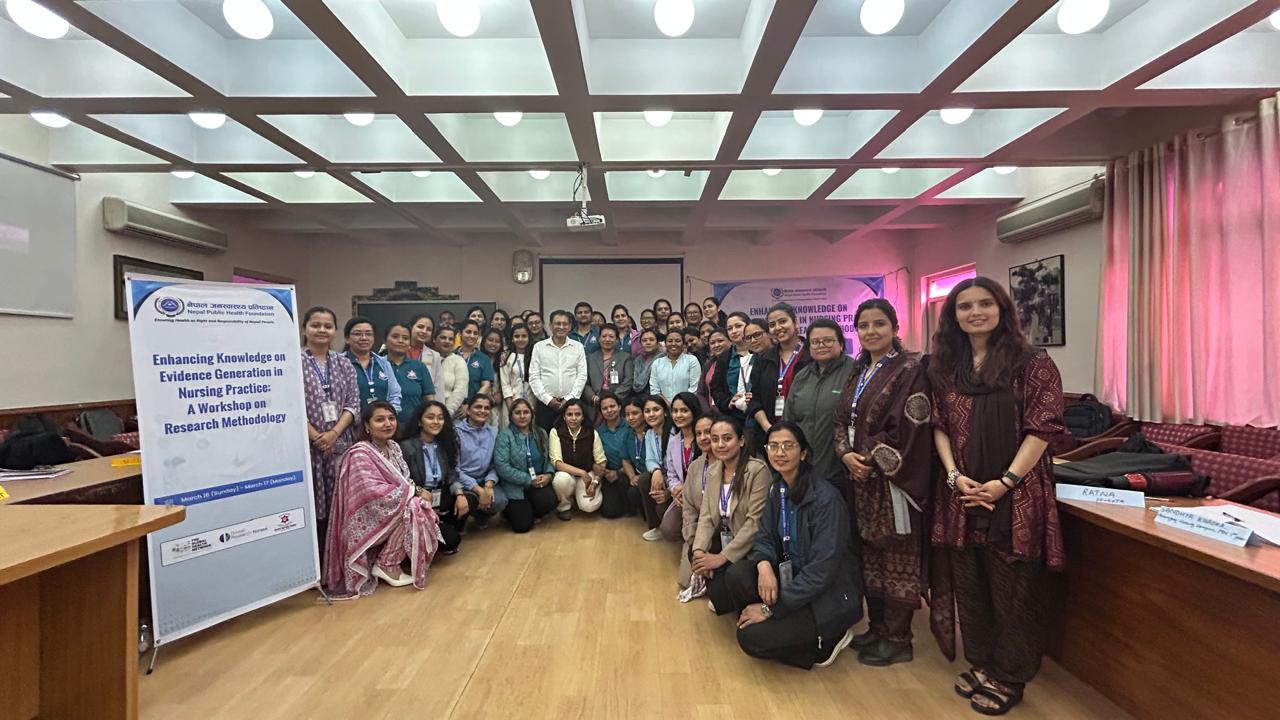
On 23rd and 24th March 2025, the Nepal Public Health Foundation organized a workshop titled “Enhancing Knowledge on Evidence Generation in Nursing Practice: A Workshop on Research Methodology.” This event aimed to bridge the gap in nursing research in Nepal, aligning nursing practices with evidence-based global health standards. It addressed barriers faced by nursing professionals, such as limited knowledge, inadequate computer literacy, and heavy workloads. The workshop provided targeted education on research skills, empowering nurses to actively contribute to high-quality research and strengthen evidence-based clinical practices.