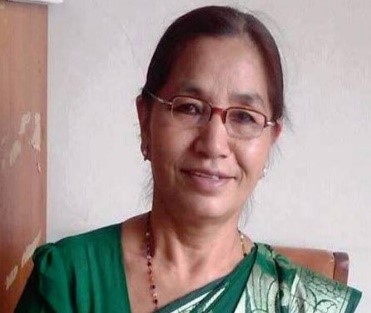
Ms. Mana Rai leads the Community Health Nursing department at nursing colleges, overseeing leadership and management in Kathmandu. She serves as the Registrar at the Nepal Nursing Council in Bansbari and actively engages in teaching PCL, Bachelor, and Masters nursing students. She hold a degree of Master’s in Public Health (MPH) from TU, IOM Maharajgunj Campus in 1999 and a Bachelor’s in Community Health (BN) from TU, IOM, Mahabaudh Nursing Campus. Furthermore, she’s a Fellow of the Population Leadership Program at the University of Washington, USA (2001-2002) and has held the position of President at the Nepal Nursing Council.
Major publications:
- Predictors of Use of Contraception among Married Women of Reproductive Age in a Rural Area of Nepal
- Emotional and Behavioral Problems among Adolescents in Pokhara City in Nepal
- QUALITY OF LIFE OF ADULT CLIENTS ON RENAL REPLACEMENT THERAPIES IN NEPAL
- Perceived Illness and Treatment Adherence to Hypertension Among Patients Attending a Tertiary Hospital in Kathmandu, Nepal

Professor Dr. Buddha Basnyat is a pioneer in mountain medicine, director of the Himalayan Rescue Association (dealing with high-altitude medical problems), the Director of Oxford University Clinical Research Unit-Nepal (OUCRU-NP), Medical Director, Nepal International Clinic (NIC), and Professor of Medicine and Physiology at Patan Hospital\Patan Academy Health Science (PAHS), Nepal. His research interests are infectious disease and high altitude medicine both of which are in ample supply in Nepal. He has published widely in both these fields in prestigious medical journals. He has almost 250 publications in peer-reviewed medical journals, in all likelihood more than anyone else from Nepal. He is a Fellow of the American College of Physicians and also a Fellow of the Royal College of Physicians (Edinburgh). He is also the Principal Investigator at Nuffield Department of Medicine, University of Oxford, Oxford, UK. He is the Honorary Consul for Canada in Nepal.
Publications:
- Global burden of bacterial antimicrobial resistance in 2019: a systematic analysis
- Tocilizumab in patients admitted to hospital with COVID-19 (RECOVERY): a randomised, controlled, open-label, platform trial
- High-altitude illness
- Acute high-altitude illnesses
- Casirivimab and imdevimab in patients admitted to hospital with COVID-19 (RECOVERY): a randomised, controlled, open-label, platform trial
- Phylogeographical analysis of the dominant multidrug-resistant H58 clade of Salmonella Typhi identifies inter- and intracontinental transmission events
- Antimicrobial Drug Resistance of Salmonella enterica Serovar Typhi in Asia and Molecular Mechanism of Reduced Susceptibility to the Fluoroquinolones
- The etiology of febrile illness in adults presenting to Patan hospital in Kathmandu, Nepal
- Salmonella enterica Serovar Paratyphi A and S. enterica Serovar Typhi Cause Indistinguishable Clinical Syndromes in Kathmandu, Nepal
Admixture facilitates genetic adaptations to high altitude in Tibet
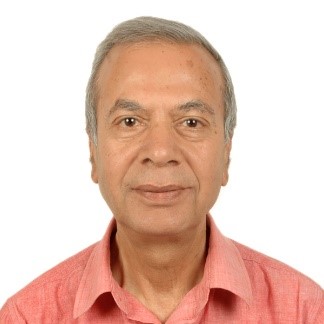
Prof. Ramesh Kant Adhikari had his basic education in different institutions in Nepal and India. He joined Tribhuvan University at the Institute of Medicine in 1979 as a lecturer in the department of Child Health. He served the institute in different capacities including as the Campus Chief of Maharajgunj Medical Campus and Dean. He retired from the institute in 2012. He was instrumental in establishing the Child Health Research Project at IoM in collaboration with All India Institute of Medical Sciences and University of Bergen. He has conducted a number of studies related to child nutrition, diarrheal diseases and medical ethics and medical education. He has extensively published original articles and books in the field of his research interest. He is currently an academician at Nepal Academy of Science and Technology.
Major publications:
- Effectiveness and Efficacy of Zinc for the Treatment of Acute Diarrhea in Young Children
- Newborn survival in Nepal: a decade of change and future implications
- Hypoxemia in children with pneumonia and its clinical predictors
- Stunting in Nepal: looking back, looking ahead
- A review of the maternal iron and folic acid supplementation programme in Nepal: Achievements and challenges
- Evaluating preschool linear growth velocities: an interim reference illustrated in Nepal
- Privatization in Technical Education: The Case of Education of Health Professionals in Nepal
- Long-term impact of community-based participatory women’s groups on child and maternal mortality and child disability: follow-up of a cluster randomised trial in rural Nepal

Dr. Suniti Acharya, a pediatrician at Kanti Children’s Hospital, is also the chief of Health Policy, Health Planning, and Foreign Aid Division. Additionally, she serves as a Regional Advisor at WHO’s South East Asia Regional Office for maternal and child health and reproductive health. Moreover, she holds the positions of Polio Commissioner and member of the Regional Commission on Polio Eradication for South East Asia. Notably, she is the Country Representative of WHO in Bangladesh. She completed her MBBS in Agra, India, followed by postgraduate pediatric training in the UK and earning a postgraduate diploma in child health from the Royal College of Physicians and Surgeons of London in 1972. Later, she pursued a Master’s in Public Health from Tulane University in New Orleans, USA.
Major publications:
- Equity in health in Nepal: a study report
http://103.69.126.140:8080/bitstream/20.500.14356/321/1/530.PDF
- Review of Primary Health Care and Nutrition Interventions in Nepal
https://citeseerx.ist.psu.edu/document?repid=rep1&type=pdf&doi=0dcdfc86fceb12da9eb5ab168fae12dc1bdbcee3#page=32
- Effects of Low Maternal Dietary Intake of Calcium, Selenium and Vitamin B-6 upon Breast Milk Composition in Nepal
https://doi.org/10.1007/978-1-4615-7207-7_18
- Nutritional and medical status of lactating women and their infants in the Kathmandu valley of Nepal
https://doi.org/10.1093/ajcn/47.4.722
- Copper, iron, zinc, and selenium dietary intake and status of Nepalese lactating women and their breast-fed infants
https://doi.org/10.1093/ajcn/47.4.729
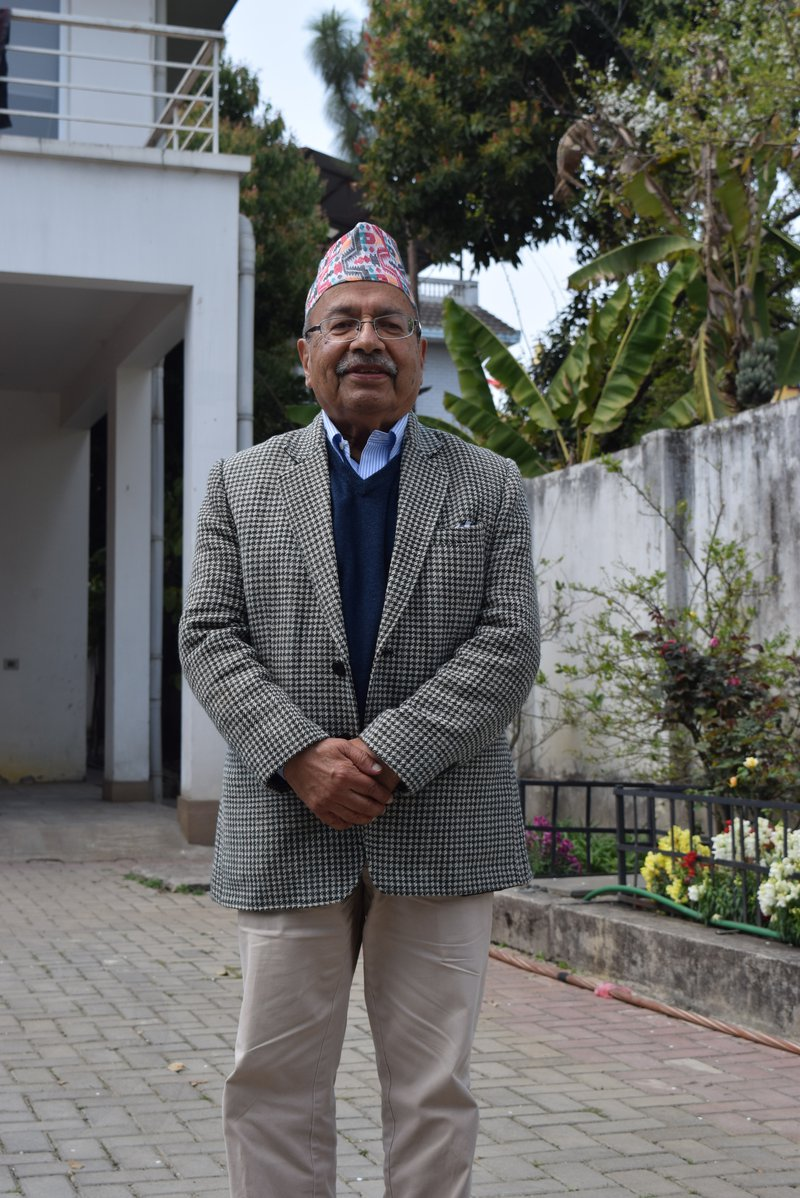
Dr. Badri Raj Pande is a pediatrician, actively involved in public health for nearly six decades in the government and WHO. He is Chairman of National Committee for Certification for Polio Eradication, Chairman of steering committee of the Farming, Health and Environment Nepal project, Nepal Public Health Foundation. Dr. Badri Raj Pande is one of the founding members of Nepal Family Planning Association, Nepal Pediatric Society, Nepal Eye Hospital, Nepal Hemophilia Society, Nepal Health Economics Association and Nepal Public Health Foundation. From 1959 to 1988 he has served the Nepal government as a medical officer, pediatrician, Assistant Director of DoHS, Deputy and later chief of Nepal family planning and MCH Project, Member Secretary to Population Policies Coordination Board, National Commission on Population, and Chief Planning officer in Ministry of Health. His government roles, like Assistant Director of Planning in the DHS, contributed to Nepal’s first health plan. As Chief of the Nepal Family Planning and Maternal Child Health Project, he extended services to remote areas, improving programs through surveys and research.
Major publications:
- A Study on the Economics of Tobacco in Nepal
https://escholarship.org/uc/item/7zj8q2dj
- Farming, Health and Environment project to improve the health of farmers and consumers by promoting healthy and sustainable food in Nepal
https://portal.findresearcher.sdu.dk/en/publications/farming-health-and-environment-project-to-improve-the-health-of-f
- Hubble-bubble Smoking
https://www.ncbi.nlm.nih.gov/pmc/articles/PMC1958669/
- Optimization of the configuration of public hospital infrastructure at the district level in South Asian countries
https://ihp.lk/publications/docs/SANEI_AS.pdf
- Changes in Perceptions and Practices of Farmers and Pesticide Retailers on Safer Pesticide Use and Alternatives: Impacts of a Community Intervention in Chitwan, Nepal
https://doi.org/10.1177/1178630217719
- Paying out-of-pocket for health care in Asia: Catastrophic and poverty impact
https://www.kebijakankesehatanindonesia.net/sites/default/files/file/Pembiayaan/sigit/Artikel/Out%20of%20Pocket%20Payment%20in%20Asia.pdf
- Catastrophic payments for health care in Asia
https://doi.org/10.1002/hec.1209
- Public Views Of Health System Issues In Four Asian Countries
https://www.healthaffairs.org/doi/full/10.1377/hlthaff.28.4.1067
https://doi.org/10.1377/hlthaff.28.4.1067
- Effect of Armed Conflict on Health Delivery – A Study in Low-Income Country
https://papers.ssrn.com/sol3/papers.cfm?abstract_id=994649
- Who pays for health care in Asia?
https://doi.org/10.1016/j.jhealeco.2007.08.005
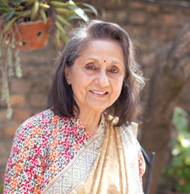
Prof. Dr. Rita Thapa, a public health expert with degrees from King George Medical College, Lucknow University (MBBB), and Johns Hopkins University (MPH), has left an incredible mark in Nepal’s healthcare. Prof. Dr. Thapa, Founding Chair Person and Pro-Bono Executive Director of Bhaskar-Tejshree Memorial Foundation is currently engaged in protecting young lives from the deadly NCD risk behaviors like tobacco, including that of gender discrimination and sexual harassment. She is widely known as the visionary and founder of Nepal’s primary health care system, which has been responsible for making Nepal a global leader achieving the ‘15 MDG targets in maternal and child health. She is one of the few people still living who attended the famous 1978 International Conference on Primary Health Care at Alma-Ata, Kazakhstan, representing Nepal and signing the Declaration of Alma-Ata, which is now considered the “gold standard” for primary health care programs around the world.
Prof. Dr. Rita Thapa’s career spans more than half a century of distinguished leadership in maternal and child health, primary health care, and community health in Nepal and internationally. Post-retirement, she continued her service to Nepal, playing roles in health policy restructuring, teaching at B.P. Koirala Institute of Health Sciences, leading societies like Nepal Perinatal Society and Nepal Public Health Foundation, and influencing Kathmandu University.
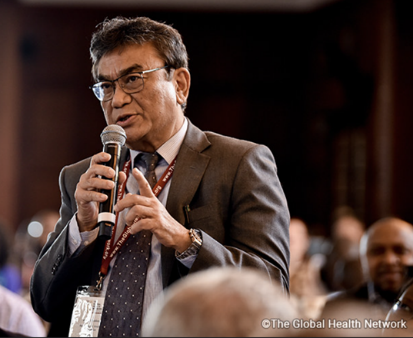
Dr. Mahesh Kumar Maskey is a prominent public health expert. He is the Founding chair and executive chief of Nepal Public Health Foundation. His focus and expertise includes perinatal epidemiology, health policy and planning, health systems research and the generation of evidence for health policy formulation on a national and international level. Dr. Maskey holds an MBBS Degree from India, an MPH from the UK, and a D.Sc. from the USA. He is a published author and had presented papers in many regional and international conferences. During 2007 to 2010, he contributed in the drafting of Three year interim health plan of Government of Nepal. In 2006, he designed targeted free health care services in district hospitals and primary health care centres, and Universal free health care services in sub health post and health post level in Nepal. He has served as Ambassador Extraordinary and Plenipotentiary of Federal Democratic Republic of Nepal to People’s Republic of China (2012- 2016).
Work Experiences:
- Executive Chair, Nepal Health Research Council, Government of Nepal, Nepal 2006-2009
- Chief Advisor, Deputy Prime Minister and Minister of Health, Nepal, Mr. Amik Serchan (2006-2007).
- Chair, South Asian Forum for Health Research, Nepal, 2007-2009
- Member of Advisory Committee for Health Research (ACHR), WHO, SEARO (2007-9)
- Executive vice Chair, New Health Policy Drafting Committee, Ministry of Health and Population, Nepal, 2017
REASEARCH:
- Principle Investigator: National study in Burden of Disease in Nepal, Nepal Health Research Council, Kathmandu Nepal. 2008-9
- Principle Investigator (2011-2012): overcoming barriers for skill birth attendents, Nepal. Funded by WHO, Geneva.
- Co-PI, Exemplars in Under-5 Mortality: Nepal Case Study funded by Gates Ventures and the Bill and Melinda Gates Foundation. 2018.
- Co-PI, Exemplar in Stunting reduction, Nepal, Sick Kids, Canada, funded by BGC3. 2017-2018
- Co-PI, Exemplar in Under-five mortality reduction, Nepal, partner University of Global Health Equity, Rwanda and funded by BGC3. 2018.
- Barriers and facilitators to institutional delivery in rural areas of Chitwan district, Nepal: a qualitative study
https://doi.org/10.1186/s12978-018-0553-0
- A cluster randomized implementation trial to measure the effectiveness of an intervention package aiming to increase the utilization of skilled birth attendants by women for childbirth: study protocol
https://doi.org/10.1186/1471-2393-14-109
Policy Developments
- Contributed in drafting National Health Policy of Government of Nepal emphasizing MCH, NCD and mental health care
- Designed Targeted free health care service in district hospitals and primary health care centers and universal free health care services in sub health post and health post level, Nepal
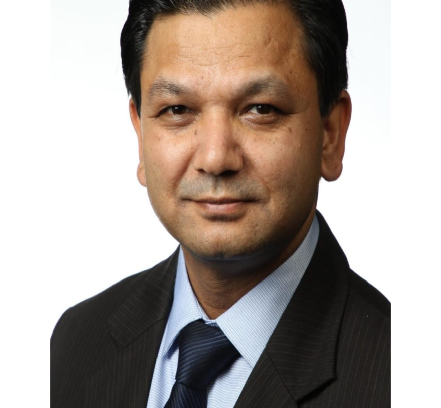
Dr. Pariyar completed his Doctor of Medicine (MD) in Obstetrics and Gynaecology passed in June 2006 from Tribhuvan University (TU), Institute of Medicine (IOM), Kathmandu, Nepal. Currently, he is the Head of Department of Obstetrics and Gynecology at Civil Service Hospital of Nepal, Minbhawan, Kathmandu, since March, 2022, Specialist Gynecologist Oncologist in the Department from June 2014 till present and Professor in Obstetrics and Gynecology of National Academy of Medical Sciences (NAMS), Kathmandu, Nepal from December 2022 till present. He is also a Supervisor for MD Obs-Gynecology Residents. Associate Professor from August 2014 till December 2021.
Academic Qualifications:
- Clinical fellowship in Gynecologic Oncology from Asan Medical Center, University of Ulsan, Seoul, South Korea in August, 2009.
- Doctor of Medicine (MD) in Obstetrics and Gynaecology passed in June 2006 from Tribhuvan University (TU), Institute of Medicine (IOM), Kathmandu, Nepal.
- Bachelor of Medicine, Bachelor of Surgery (MBBS) passed in the first division in October 1999 from Tribhuvan University, Institute of Medicine, Kathmandu, Nepal.
- Diploma in Clinical Social Work in 1989 from Social Work Institute, Nepal Jesuits Society, Kathmandu, Nepal.
Trainings:
- Participant in Training on Cervical Cancer Screening and Prevention in Nepal jointly organized by Family Health Division, Department of Health Services and PHECT-Nepal in Kathmandu, Nepal from 5 to 10 January, 2014.
- Participant in Workshop on JNMA Training on Scientific Writing organized by Nepal Medical Association in Kathmandu, Nepal on 5 May 2013.
- Participant in Colposcopy Training jointly organized by Phase Worldwide, UK and B. P. Koirala Memorial Cancer Hospital in Chitwan, Nepal in 2009.
- Participant in Orientation Workshop on Gender and Health jointly organized by Institute of Medicine, Family Health Division, Department of Health Services and World Health Organization- Nepal from 1 to 3 March, 2004.
- Clinical Clerkship in Surgery (as an exchange medical student) in Akademiska Sjukhuset, Upssala Medical University, Sweden in 2000.
- Advanced Resuscitation Training in Emergency Medicine in April 2000, organized by Global Emergency Medicine Support Utah, USA and Helping Hands, Nepal.
Experiences:
- Head of Department of Obstetrics and Gynecology at Civil Service Hospital of Nepal, Minbhawan, Kathmandu, since March, 2022; Specialist Gynecologist Oncologist in the Department from June 2014 till present.
- Professor in Obstetrics and Gynecology of National Academy of Medical Sciences (NAMS), Kathmandu, Nepal from December 2022 till present. Supervisor for MD Obs-Gynecology Residents. Associate Professor from August 2014 till December 2021.
- Local Supervisor for Gynecologic Oncology Fellowship – Global Curriculum and Mentorship Program of International Gynecologic Cancer Society (IGCS) Nepal site from 2019 till present.
- Consultant, Department of Gynecology, Helping Hands Community Hospital, Chahabil since 2006 onwards and till present.
- Consultant (part-time) of JHPIEGO Nepal for Training of Trainers on Cervical Cancer Screening and Prevention in 2016.
- Facilitator/trainer in Training of Trainers on Cervical Cancer Screening and Prevention of Family Health Division of Nepal since 2014.
- Junior Consultant from 18 Nov. 2009 till present in Gynaecologic Oncology in B. P. Koirala Memorial Cancer Hospital.
- Registrar in Gynaecologic Oncology in B.P. Koirala Memorial Cancer Hospital, Bharatpur, Chitwan Nepal from 14 June, 2006 to 17 Nov. 2009.
- Medical Officer in B.P.Koirala Memorial Cancer Hospital,Chitwan, Nepal: Radiation Oncology (9 mths), Surgical Oncology (12 mths) and medical oncology (12 mths).
- Visiting clinical faculty (Lecturer) in College of Medical Sciences, Teaching Hospital, Kathmandu University, Nepal from 2006 till present.
-
Articles and Publications:
- A questionnaire study on disparity of cervical cancer prevention programs in Asia-Oceanina. J Obstet Gynaecol Res. 2023 Apr;49(4):1230-12 doi: 10.1111/jog.15566. Epub 2023 Feb 1
- Joshi AP, Chitrakar NS, Pariyar J, Shrestha I, Maharjan P, et al. Perinatal Outcome: A Comparative Study between Emergency and Elective Caesarean Section at A Tertiary Care Hospital.2022;01(01):1-5.
- Lama P, Maharjan P, Sapkota S, Pandit S, Neupane S, Koirala S, et al. Cancer with Pregnancy: Obstetric and Perinatal Outcome. J. Per. Soc. Nepal. 2023;02(01):3-6. DOI: 10.59881/jpeson13
- Laparoscopic Management of Dermoid Cyst of Ovary is a Safe Procedure. Original Article in Journal of Nepal Health Research Council (NHRC), 2021 Dec 14;19(3):520-523. doi: 10.33314/jnhrc.v19i3.3547
- Uterine Cancer Treatment: Experience in Two Centers in Nepal. Original Article published in Journal of Karnali Academy of Health Sciences. JKAHS | Vol. 4 | No. 1 | Issue 10 | Jan-April 2021.
- Knowledge and Practice of Early Childhood Caries among Pediatricians and Gynecologists. Original Article published in Journal of Karnali Academy of Health Sciences. JKAHS | Vol. 4 | No. 1 | Issue 10 | Jan-April 2021.
- American Society of Clinical Oncology (ASCO) Cervical Cancer Prevention Program: A Hands-On Training Course in Nepal. Original article published in JCO Global 2021 March; 6:204-9.
- COVID-19 and gynecological cancers: Asia and Oceania Federation of Obstetrics and Gynecology oncology committee opinion. Original article published in J. Obstet. Gynaecol. Res. 2021. doi:10.1111/jog.14579
- Overview of Delivery of Cancer Care in Nepal: Current Status and Future Priorities. Original article published in JCO Global 2020 Sep; 6:1211-17.
- Pediatrics Germ Cell Tumours: A Ten Year Audit in a Cancer Hospital. Original Article published in Nepalese Journal of Cancer (NJC), Vol 4, No. 1, 2020: 102-6.
Awards and Grants:
- Shan S Ratnam Young Gynaecologist Award (YGA) from Nepal in 2009, provided by Asia Oceania Federation of Obstetrics and Gynaecology (AOFOG) – New Zealand.
- ISSGTD Travel Grant 2009 provided by International Society for the Study of Trophoblastic Diseases – Kerala, India
- IGCS Travel Grant 2014 – Melbourne, Australia.
- SOMA Award (2015) Nepal Society of Obstetrics and Gynaecology (NESOG) – Nepal.
- ASGO-IDEA 2015 awarded by Asian Society of Gynecologic Oncology (ASGO) – Korea
- ACOS Travel Grant 2016 awarded by Asian Clinical Oncology Society (ACOS) – India
- ASCO-IDEA 2018 awarded by American Society of Clinical Oncology (ASCO) – USA
Dr. Madhur Basnet, an Associate Professor in the Department of Psychiatry at B.P. Koirala Institute of Health Sciences, is actively involved in groundbreaking research on collaborative care models for mental health in low-resource settings. With over five years of experience, he is dedicated to integrating mental health into primary care settings in Nepal. His research interests span community psychiatry, implementation research in mental health, integration of mental health in primary care, and psychosomatic medicine. Dr. Basnet is not only a respected academic but also a dynamic leader who has led health politics movements in Nepal and contributed to policy-making, including the drafting of the National Mental Health Program 2022. Formerly serving as the assistant dean of examinations at B.P. Koirala Institute of Health Sciences, he has also worked as a Mental Health Officer at the World Health Organization Country Office in Nepal. He is driven by his passion for environmental protection and nature conservation.
Recognition:
- Vital role in implementing the WHO Special Initiative on Mental Health in Nepal Led health politics movements in Nepal and contributed to policy-making,
- National Youth Award in Health by Ministry of Youth and Sports in 2073BS
Education:
- MD(Psychiatry), B. P. Koirala Institute of Health Sciences, Dharan, Nepal,2013
- MBBS , B. P. Koirala Institute of Health Sciences, Dharan,Nepal,2009
Publications:
- Dementia care landscape in Nepal: current situation and challenges for the development of national dementia care plan.
- Family Caregiver experience of caring COVID-19 patients admitted in COVID hospital of B. P. Koirala Institute of Health Sciences, Nepal
- Wernicke’s encephalopathy: a case report
- Caregiving Stress among Caregivers of Patients admitted with Suicidal Attempt
- Non-psychiatric Referral among First Encounter Patients Attending the Psychiatry Out Patient Services of a Tertiary Care Hospital: A Descriptive Cross-sectional Study
- Collaborative care model for depression in rural Nepal: a mixed-methods implementation research study
- Detection of Carbamazepine Level among Patients Visiting Psychiatric and Pediatric Services of a Tertiary Hospital in Eastern Nepal
- Mental health education in undergraduate medical curricula across Nepalese universities
- Personality Traits among Psychiatric Out-patients with Suicide Attempt Attending Tertiary Care Hospital in Eastern Nepal
- Attitude Towards Suicide among Caregivers of Patients Admitted with Suicide Attempt in a Tertiary Care Hospital: A Descriptive Cross-sectional Study
- Stressors among Psychiatric Out-Patients with Suicide Attempt Attending Tertiary Care Hospital in Eastern Nepal
- Personality Traits among Psychiatric Out-patients with Suicide Attempt Attending Tertiary Care Hospital in Eastern Nepal

Dr. Raba Thapa MD, PhD is an Associate Professor of Ophthalmology at National Academy of Medical Sciences (NAMS), and a consultant vitreo-retinal surgeon at Tilganga Institute of Ophthalmology (TIO), Kathmandu, Nepal. Currently, she is working as a head of vitreo-retina department and chief of research department at TIO. She completed her MBBS from Tribhuvan University, Institute of Medicine in 2000 AD, MD Ophthalmology from Tribhuvan University, Institute of Medicine, B P Koirala Lions Center for Ophthalmic Studies, Kathmandu, Nepal in 2005 AD and Medical and Surgical Vitreo-retinal Fellowship from John A Moran Eye Center, University of Utah, Salt lake City, USA, in 2009 AD. She did her Ph.D from Vrije University Medical Center, Amsterdam, The Netherlands in 2018 AD and post- doctoral research fellowship in retinal diseases from John A Moran Eye Center, University of Utah, Salt lake City, USA in 2022 AD. She has been involved in teaching learning activities in various cadres of ophthalmic education including vitreo-retina fellowship programs. She has presented her research works at many national and international conferences. She has published over 60 articles in many peer reviewed journals, working as a reviewer of over 15 scientific journals and editor of Journal of Nepal Health Research Council. Her field of interest is research on diabetic retinopathy, age related macular degeneration, other retinal diseases including public health important eye and health problems. She has received Nepal Vidhya Bhusan KA by president of Nepal; on the occasion of 40th National Education Day and International Literacy Day, 22nd Bhadra 2076, and Nabil Science and Technology Award 2019 by Nepal Academy of Science and Technology, Government of Nepal.
She was awarded with the Association of Research in Vision and Ophthalmology (ARVO) Collaborative Research Fellowship Award, 2022 by ARVO Foundation, USA, Best Oral Paper Award in 8th National Summit of Health and Population Scientist in Nepal, April 10 to 12th 2022, organized by Government of Nepal, Nepal Health Research Council, and Early Carrier Research Award by Thrasher Research Fund, Utah, USA, 2020.
Some of her important publications are:
- Thapa R, Sharma S, Pradhan E, Duwal S, Poudel M, Shrestha KG, Paudyal GP. Prevalence and associated factors of diabetic retinopathy among people with diabetes screened using fundus photography at a community diabetic retinopathy screening program in Nepal. BMC ophthalmology. 2023 Oct 23;23(1):429.
- Thapa, R., Ruit, S., Addo, E. K., & Bernstein, P. S. Assessment of skin Carotenoid measurement as a means to detect Vitamin A Deficiency in Children and Pregnant Women in Nepal. Journal of Nutrition 2023, 11 Feb 2023, :S0022-3166(23)09594-9
DOI: 10.1016/j.tjnut.2023.02.005 PMID: 36780945
- Thapa R, Das TP. Risk stratification on target organ involvement associated with hypertensive retinopathy. J Nepal Health Res Counc. 2022; July-Sept 20 (56):577-585. 36974841
- Thapa R, Khanal S, Tan H, Thapa S, vanRens GHMB. Prevalence, Associated Factors and Awareness of Hypertensive Retinopathy among an Elderly Population with Hypertension in Nepal: The Bhaktapur Retina Study. Nepal J Ophthalmol 2022;14(27):49-58
- Thapa R, Bajimaya S, Pradhan E, Sharma S, Kshetri BB, paudel M, Paudyal G Agreement and Diagnostic Test Accuracy on Grading Diabetic Retinopathy Using Fundus Photographs by Allied Medical Personnel at a Community Diabetic Retinopathy Screening Program in Nepal. Ophthalmic Epidemiology 2021:1-7. DOI: 10.1080/09286586.2021.1877730 PMID: 33502930
- Thapa R, Bajimaya S, Pradhan E, Sharma S, Kshetri BB, Paudyal G. Agreement on Grading Retinal Findings of Patients with Diabetes Using Fundus Photographs by Allied Medical Personnel when Compared to an Ophthalmologist at a Diabetic Retinopathy Screening Program in Nepal. Clinical Ophthalmology 2020:14 2731–2737.PMID: 33061255, PMCID: PMC7518769
- Thapa R, Khanal S, Tan HS, Thapa SS, van Rens GHMB. Prevalence, pattern and risk factors of retinal diseases among an elderly population in Nepal: The Bhaktapur Retina Study. Clinical Ophthalmology 2020;14:2109-2118. PMCID:PMC: 7399464. PMID:32801619
- Thapa R, Bajimaya S, Paudyal G, Khanal S, Tan S, Thapa SS, van Rens GHMB. Prevalence and causes of low vision and blindness in an elderly population in Nepal: The Bhaktapur Retina Study. BMC Ophthalmology 2018, 13;18 (1):42. PMID: 29439666.
- Thapa R, Bajimaya S, Paudyal G, Khanal S, Tan S, Thapa SS, Van rens GHMB. Prevalence, pattern and risk factors of retinal vein occlusion in an elderly population in Nepal: The Bhaktapur Retina Study. BMC Ophthalmology 2017;17:162. PMID: 28865424
- Thapa R, Bajimaya S, Paudyal G, Khanal S, Tan S, Thapa SS, van Rens GHMB. Prevalence of and risk factors for age related macular degeneration in Nepal: The Bhaktapur Retina Study. Clinical Ophthalmology 2017, 11:963-972. PMID: 28579747